
Stiff knees can make simple movements like standing, climbing stairs, or getting out of bed feel harder than they should. This common problem may result from injury, arthritis, inflammation, or the natural changes that come with aging. The good news is that many causes of knee stiffness are treatable, especially when you understand what is happening inside the joint.
This guide explains what stiff knees are, why they happen, and how they are diagnosed. You will also learn about proven treatment options, helpful home remedies, and simple exercises that may improve knee mobility. Knowing when to see a doctor can make a real difference in your recovery.
What Are Stiff Knees?
Stiff knees describe a reduced ability to bend or straighten the knee joint fully and comfortably. Stiffness often feels like tightness, resistance, or a “locked” sensation, and it may or may not come with pain.
It helps to know how stiffness differs from pain. Pain is a signal of irritation or injury. Stiffness is a loss of smooth, easy motion. You can have one without the other, though they often occur together.
Some stiffness is normal. Your knees may feel tight after a long car ride, an intense workout, or a night of rest. This usually eases within a few minutes of movement. Abnormal stiffness lasts longer, returns often, or comes with swelling and warmth. Common symptoms include trouble bending, a tight feeling, and slower movement than usual.
Symptoms of Stiff Knees
Knee stiffness rarely appears alone. It often comes with other signs that point to the underlying cause. Watching for these symptoms can help you and your doctor find answers faster.
Common symptoms include:
- Difficulty bending the knee
- Difficulty straightening the knee fully
- Swelling around the joint
- Warmth or a feeling of heat
- Clicking sounds during movement
- Popping sensations
- Reduced range of motion
- Pain after sitting for a while
- Morning knee stiffness that eases with movement
If knee pain and stiffness limit your daily activities, it may be time for a professional evaluation.
Common Causes of Stiff Knees
Stiff knees can develop from many conditions, ranging from everyday wear to more serious problems. Identifying the cause is the first step toward the right treatment. Below are the most common reasons your knees may feel stiff.
Osteoarthritis
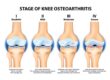
Osteoarthritis is the most frequent cause of arthritis stiff knees. Over time, the smooth cartilage that cushions the joint wears down. This can lead to stiffness, swelling, and a grinding feeling during movement, especially after rest.
Rheumatoid Arthritis
Rheumatoid arthritis is an autoimmune condition. The immune system mistakenly attacks the joint lining, causing inflammation, stiffness, and swelling. It often affects both knees and may feel worse in the morning.
Knee Injury
Injuries are a common source of sudden stiffness. Common examples include:
- ACL injury: A tear in the anterior cruciate ligament, often from sports or twisting movements.
- Meniscus tear: Damage to the cartilage that cushions the joint, which can cause locking and stiffness.
- Ligament injuries: Sprains or tears that limit stable, smooth motion.
Bursitis
Bursitis is inflammation of the small fluid-filled sacs, called bursae, that reduce friction in the joint. Swelling from bursitis can make the knee feel tight and stiff.
Tendinitis
Tendinitis is irritation of the tendons around the knee, often from repetitive strain. It can cause stiffness, tenderness, and discomfort during activity.
Overuse
Repeating the same movements without enough rest can strain the knee. Athletes and active workers may notice stiffness after heavy training or long shifts.
Lack of Movement
Sitting too long or staying inactive can also cause knee stiffness. Joints need regular movement to stay flexible and well-lubricated.
Obesity
Extra body weight adds stress to the knees with every step. This added pressure can speed up cartilage wear and increase stiffness over time.
Aging
As we age, cartilage naturally thins and joint fluid decreases. These changes can make stiff joints more common in older adults.
Infection (Rare but Serious)
In rare cases, a joint infection can cause sudden stiffness, warmth, swelling, and fever. This is a medical emergency and needs immediate care.
Why Are My Knees Stiff in the Morning?
Morning knee stiffness usually happens because the joint stays still during sleep, which lets fluid build up and reduces circulation. Most people feel better within 30 minutes of gentle movement. Longer-lasting morning stiffness may point to arthritis or inflammation.
Several factors contribute to stiffness after waking:
- Arthritis: Both osteoarthritis and rheumatoid arthritis often feel worse in the morning.
- Inflammation: Swelling can settle in the joint overnight.
- Poor circulation: Blood flow slows when you are still.
- Overnight immobility: Hours without movement stiffen the joint.
Morning stiffness that lasts longer than an hour, or comes with swelling and warmth, may signal an inflammatory condition and deserves a medical review.
When Should You See a Doctor?
You should see a doctor if knee stiffness is severe, lasts more than a week, or comes with warning signs of a serious problem. Early evaluation by an orthopedic knee specialist can prevent further joint damage and speed recovery.
Seek medical care if you notice:
- Severe swelling that does not improve
- Fever along with knee symptoms
- Inability to bear weight on the leg
- Knee locking or catching
- A recent injury or trauma
- Redness and warmth around the joint
- Symptoms lasting more than one week
These signs can point to infection, a serious injury, or advancing arthritis that needs prompt attention.
How Are Stiff Knees Diagnosed?
Diagnosing stiff knees begins with a full picture of your symptoms and health history. An accurate diagnosis guides the right treatment, so your doctor may use several tools to look inside the joint.
Common steps include:
- Medical history: A review of your symptoms, activity, and past injuries.
- Physical examination: Checking range of motion, swelling, and stability.
- X-rays: Images that show bone changes and cartilage loss.
- MRI: Detailed views of soft tissues like ligaments and cartilage.
- Ultrasound: Imaging that can reveal fluid or inflammation.
- Blood tests: Used to check for rheumatoid arthritis or infection.
- Joint aspiration: Removing a small fluid sample when infection or gout is suspected.
Treatment Options for Stiff Knees
Treatment for stiff knees depends on the underlying cause and your overall health. Many people improve with simple, non-surgical care. Your doctor may combine several approaches for the best results.
Rest
Short periods of rest can calm inflammation and give the joint time to heal after a flare-up or injury.
Ice Therapy
Applying ice for 15 to 20 minutes can reduce swelling and ease knee inflammation, especially after activity.
Heat Therapy
Heat can relax tight muscles and improve circulation. It often helps with morning stiffness before you start moving.
Anti-inflammatory Medications
Over-the-counter options like ibuprofen may reduce pain and swelling. Always follow dosing guidance and check with your doctor.
Physical Therapy
Physical therapy for stiff knees is one of the most effective treatments. A therapist can build a plan to restore strength, flexibility, and knee mobility.
Stretching Exercises
Gentle stretching keeps the joint flexible and may ease tightness over time.
Weight Management
Reaching a healthy weight lowers pressure on the knees and can slow cartilage wear.
Corticosteroid Injections
These injections can reduce strong inflammation and provide temporary relief for painful, swollen joints.
Hyaluronic Acid Injections
This treatment adds lubricating fluid to the joint and may improve comfort in some arthritis cases.
PRP Therapy
Platelet-rich plasma therapy uses your own blood components to support healing. It may help certain patients, though your doctor can advise if it is appropriate.
Surgery
Surgery is considered only when other treatments do not work. Options range from arthroscopy to joint replacement for advanced damage.
Home Remedies
Simple home care can support your recovery and ease mild knee stiffness. These steps work best alongside medical advice, not as a replacement for it.
Helpful home remedies include:
- Gentle stretching to keep the joint flexible
- Walking to maintain circulation and mobility
- Compression with a supportive wrap to limit swelling
- Elevation to help fluid drain from the joint
- Hydration to support healthy joint function
- An anti-inflammatory diet rich in vegetables, fish, and whole foods
- Low-impact exercise like swimming or cycling
Best Exercises for Stiff Knees
Gentle knee mobility exercises can improve flexibility and strength without straining the joint. Move slowly, stop if you feel sharp pain, and check with your doctor before starting a new routine.
Recommended exercises include:
- Heel slides: Slide your heel toward your body while lying down to improve bending.
- Straight leg raises: Strengthen the muscles that support the knee.
- Quad stretches: Loosen the front thigh muscles.
- Hamstring stretch: Ease tightness in the back of the leg.
- Calf stretch: Support smooth ankle and knee movement.
- Stationary cycling: Build gentle range of motion with low impact.
Start slowly, and increase repetitions only as your comfort allows.
Can Stiff Knees Be Prevented?
Many cases of knee stiffness can be prevented with healthy daily habits that protect the joint. Small, consistent choices often make the biggest difference over time.
Ways to protect your knees:
- Maintain a healthy weight to reduce joint stress
- Exercise regularly to keep muscles strong
- Warm up before physical activity
- Practice good posture to support alignment
- Wear supportive footwear
- Stay active throughout the day
- Avoid prolonged sitting by taking movement breaks
Frequently Asked Questions
What causes stiff knees?
Stiff knees can result from many factors, including osteoarthritis, rheumatoid arthritis, injuries, bursitis, tendinitis, overuse, obesity, and aging. Inflammation and inactivity may also play a role. Because the causes vary widely, an accurate diagnosis from a qualified physician is the best way to find the right treatment.
Are stiff knees a sign of arthritis?
Stiff knees can be a sign of arthritis, but they are not always. Arthritis stiff knees often come with swelling, warmth, and stiffness that lasts longer in the morning. Other causes, like injury or overuse, can create similar symptoms. Only a proper evaluation can confirm whether arthritis is involved.
How do I loosen stiff knees?
You can often loosen stiff knees with gentle movement, stretching, and warmth. Heat therapy, light walking, and knee mobility exercises may help restore motion. Staying hydrated and avoiding long periods of sitting also support flexibility. If stiffness persists, physical therapy for stiff knees can offer a structured recovery plan.
Why are my knees stiff after sitting?
Sitting for long periods reduces movement and circulation in the joint, which can cause temporary stiffness. Fluid may settle and muscles may tighten while you stay still. This type of stiffness usually eases once you stand and move. Taking regular breaks can help prevent it during long days.
Can dehydration cause stiff joints?
Dehydration may contribute to stiff joints because your body needs water to maintain healthy joint fluid and lubrication. While it is rarely the only cause, staying well hydrated supports overall joint comfort. Drinking enough water each day is a simple habit that can complement other treatments for knee stiffness.
Is walking good for stiff knees?
Walking is often good for stiff knees because it keeps the joint moving and supports circulation. Low-impact activity can improve flexibility and strengthen supporting muscles. Start with short, comfortable walks and increase gradually. If walking causes sharp pain or swelling, stop and speak with an orthopedic knee specialist.
Should I exercise with knee stiffness?
Gentle exercise is usually helpful for knee stiffness, as long as you avoid sharp pain. Low-impact movement and stretching can improve mobility and strength. However, you should rest if the joint is very swollen or painful. When in doubt, ask your doctor which exercises are safe for your specific condition.
When should I worry about knee stiffness?
You should worry about knee stiffness if it lasts more than a week, comes with fever, severe swelling, redness, or an inability to bear weight. Knee locking or stiffness after an injury also needs prompt attention. These signs may point to infection or serious joint damage that requires medical care.
Conclusion
Stiff knees can stem from many causes, including osteoarthritis, rheumatoid arthritis, injury, inflammation, and the natural effects of aging. The right treatment depends on an accurate diagnosis, which is why understanding your symptoms matters so much. Many people find relief through rest, physical therapy, targeted exercises, injections, or, when needed, surgery.
Early diagnosis often leads to better outcomes and can help protect your joint from further damage. If your knee stiffness lasts more than a week, worsens, or comes with swelling and warmth, it is wise to seek a professional evaluation.
You do not have to manage knee pain and stiffness alone. To get answers and a personalized care plan, schedule an appointment with Dr. Hasan Syed through hasansyedmd.com. Your mobility and comfort are worth protecting.