Knee pain after running usually points to how your knees handle repeated stress, not a sign that you must stop running for good. Every stride sends force through the joint, and when that load outpaces what your muscles, tendons, and cartilage can absorb, the knee often responds with aching, stiffness, or a sharp twinge. The cause can range from a simple training error to a specific injury, so the right fix depends on your symptoms and history.
Most running-related knee pain is manageable with rest, smart adjustments, and time. Some cases need a closer look.
This article explains the common reasons your knee may hurt after a run, what you can safely do at home, and the warning signs that call for professional care. For persistent or worsening symptoms, an evaluation by a qualified orthopedic specialist can help pinpoint the cause and guide treatment. The information here is educational and does not replace a personal medical assessment.
What Knee Pain After Running Means
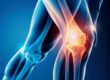
Knee pain after running is discomfort in or around the knee that appears during or after a run. It may feel like a dull ache, a burning sensation, a sharp catch, or stiffness when you bend the joint. The knee is a complex hinge where the thighbone (femur), shinbone (tibia), and kneecap (patella) meet, cushioned by cartilage and stabilized by ligaments and tendons.
Pain can arise from any of these structures. Where it hurts—front, side, or deep inside—often gives a clue about the source, though only an exam can confirm it.
Common Causes of Knee Pain After Running
Several issues can trigger knee pain after running, and they often overlap. Identifying the likely cause helps you choose safer next steps.
Runner’s Knee and Patellofemoral Pain
Runner’s knee, known medically as patellofemoral pain syndrome, is one of the most common causes of knee pain in runners. It usually produces a dull ache around or behind the kneecap that worsens with running, squatting, or climbing stairs. The problem often relates to how the kneecap tracks in its groove during movement.
Weak hip and thigh muscles, tight tissues, or training overload can all contribute. The pain tends to build gradually rather than appear suddenly.
Overuse and Sudden Increases in Distance or Intensity
Doing too much too soon is a leading driver of knee pain after running. When you add mileage, speed, or hill work faster than your body adapts, the repeated stress can irritate tendons and soft tissue. Iliotibial (IT) band syndrome—irritation of the connective tissue along the outer thigh—is a frequent result and typically causes pain on the outside of the knee.
A useful guideline many runners follow is increasing weekly mileage by no more than about 10 percent. Gradual progression gives tissues time to strengthen.
Muscle Weakness or Imbalance
Weak or imbalanced muscles can shift stress onto the knee. Your quadriceps, hamstrings, glutes, and hip muscles work together to control each landing. When the hips or glutes are weak, the knee often absorbs more force than it should.
This imbalance can affect kneecap alignment and stride mechanics. Strengthening the supporting muscles is frequently part of both recovery and prevention.
Running Form and Training Factors
Your running form influences how load reaches the knee. Overstriding—landing with your foot well ahead of your body—can increase impact through the joint. A very low step rate (cadence) may have a similar effect.
Skipping warm-ups, running through fatigue, or neglecting recovery days can also raise your risk. Small adjustments to form and scheduling often reduce strain.
Running Surfaces and Footwear
The surface you run on and the shoes you wear both affect knee stress. Hard or uneven surfaces, steep downhills, and worn-out shoes can increase impact or alter your mechanics. Running shoes lose cushioning over time and are often replaced every 300 to 500 miles.
Footwear that suits your foot type and gait can help distribute load more evenly. A specialty running store or clinician can guide shoe selection.
Common Symptoms With Running-Related Knee Pain
Knee pain after running can come with several other symptoms. Noticing them helps you gauge how urgent the problem may be. Common signs include:
- Aching, burning, or sharp pain around or behind the kneecap
- Pain on the inner or outer side of the knee
- Stiffness after sitting or after a run
- Mild swelling around the joint
- A grinding or clicking sensation with movement
- Discomfort going up or down stairs
Some symptoms deserve closer attention. Swelling, catching, locking, or a feeling that the knee may give way can signal a condition that needs professional assessment.
What You Can Do When Your Knee Hurts After Running
When your knee hurts after running, early self-care can calm symptoms and support recovery. These general measures suit mild, non-severe pain. If symptoms persist or worsen, see a healthcare professional.
- Rest and reduce load. Pause running or cut back to let irritated tissue settle.
- Apply ice. Use a cold pack for about 15 to 20 minutes to help ease pain and swelling in the early days.
- Modify activity. Switch to lower-impact options such as swimming or cycling if they feel comfortable.
- Elevate and support. Rest the leg elevated when swollen, and use gentle compression if it feels helpful.
- Consider over-the-counter relief. Nonprescription pain relievers may help short term—follow the label and check with a pharmacist or doctor if unsure.
Return to running gradually once pain eases, and build back slowly rather than resuming your previous volume at once.
Strengthening and Flexibility Considerations
Strengthening and flexibility work can support the knee, but the right program depends on the underlying cause. Exercises that target the hips, glutes, quadriceps, and hamstrings often help stabilize the joint. Gentle stretching of tight muscles may improve movement.
No single routine fits every condition. A doctor or physical therapist can design a program matched to your diagnosis and goals, which reduces the risk of aggravating the problem.
When Physical Therapy May Help
Physical therapy can be valuable when knee pain is persistent, recurring, or limiting your activity. A physical therapist can assess your strength, flexibility, and running mechanics, then build an individualized plan. This may include targeted exercises, gait adjustments, and a structured return-to-running schedule.
Guided rehabilitation often addresses the root cause rather than just the symptoms.
When to See an Orthopedic Specialist or Doctor
See a doctor for knee pain after running when it is severe, persistent, or interfering with daily life. Home care helps many mild cases, but some symptoms need a professional exam, imaging, or a tailored treatment plan. Consider a medical evaluation if:
- Pain lasts more than a week or two despite rest
- Pain returns each time you run
- The knee is swollen, unstable, or hard to move
- Pain limits walking or normal activities
An orthopedic specialist can examine the joint, review your training history, and recommend the next steps.
Warning Signs That Require Prompt Evaluation
Certain symptoms call for prompt medical attention. Seek care quickly if you notice:
- Sudden, severe knee pain or an inability to bear weight
- Significant swelling that appears rapidly
- A knee that locks, catches, or gives way
- A visible deformity or a “pop” at the time of injury
- Redness, warmth, and fever, which may suggest infection
These signs can indicate a more serious injury or condition that needs timely assessment.
How to Reduce the Risk of Recurring Knee Pain
You can lower your risk of repeat knee pain with a few consistent habits. Prevention focuses on gradual progress and supporting the muscles around the joint. Practical steps include:
- Progress gradually. Increase mileage and intensity slowly to let your body adapt.
- Warm up and cool down. Prepare your muscles before running and ease off afterward.
- Strengthen supporting muscles. Build hip, glute, and thigh strength on non-running days.
- Choose the right shoes. Replace worn footwear and pick shoes suited to your gait.
- Cross-train and rest. Mix in low-impact activity and schedule recovery days.
- Listen to your body. Address minor aches early before they become bigger problems.
Consistency with these habits gives your knees a better chance to stay healthy over the long run.
Frequently Asked Questions
Why does my knee hurt after running?
Knee pain after running is often caused by overuse, runner’s knee, muscle imbalance, or training errors. The exact cause depends on your symptoms, history, and a physical exam. A specialist can help identify it.
Is it normal for your knees to hurt after running?
Mild, short-lived soreness can be normal, especially after harder efforts. Pain that is sharp, persistent, or worsening is not something to ignore and may need evaluation.
How do I stop my knees from hurting after running?
Start with rest, ice, and activity modification, then reduce your load and return gradually. Strengthening the supporting muscles may help. See a professional if pain continues.
Should I keep running if my knee hurts?
Avoid running through significant or worsening pain, as it can make the problem worse. Mild soreness may allow light activity, but rest and reassess if pain increases.
When should I see a doctor for knee pain after running?
See a doctor if pain is severe, lasts more than a week or two, causes swelling or instability, or the knee locks or gives way. These signs may point to an injury needing care.
Get a Professional Evaluation
Knee pain that keeps returning, worsens, or limits your activity deserves a closer look. If self-care hasn’t helped, schedule an evaluation with an experienced orthopedic specialist through hasansyedmd.com to get an accurate assessment and a treatment plan built around your needs. Getting the right answer early can help you return to running with confidence.