A shoulder subluxation happens when the ball of your upper arm bone slips partly out of its socket, then often pops back into place on its own. Many people call this a partial shoulder dislocation, and it is one of the most common signs of shoulder instability. Unlike a full dislocation, where the ball comes all the way out, a subluxation is a brief, partial slip. But it should never be ignored.
Your shoulder is the most mobile joint in your body. That wide range of motion lets you reach, lift, and throw, but it also makes the joint easier to push out of place. Once your shoulder slips out of place even once, it can become looser and more likely to slip again.
Early evaluation by an orthopedic shoulder specialist matters. Catching the problem sooner helps protect the joint, ease pain, and lower your chance of long-term instability. This guide walks you through the causes, symptoms, diagnosis, treatment, and recovery.
What Is Shoulder Subluxation?
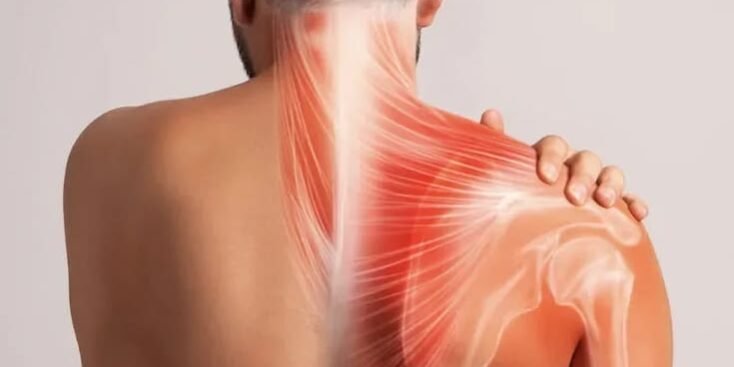
Your shoulder is a ball-and-socket joint, known medically as the glenohumeral joint. The “ball” is the rounded top of your upper arm bone, called the humeral head. The “socket” is a shallow cup on your shoulder blade called the glenoid.
Because the socket is shallow, the joint relies on soft tissues to stay stable. A rim of cartilage called the labrum deepens the socket and grips the ball. Ligaments and the strong muscles of the rotator cuff hold everything in the center.
A subluxation means the humeral head slides partway out of the glenoid, then slips back in. According to the American Academy of Orthopaedic Surgeons (AAOS), this partial slip is different from a full dislocation, where the ball leaves the socket completely.
In simple terms: the joint nearly comes apart, then resets. You may feel it “give way” for a second. When this keeps happening, doctors call it shoulder instability. You can learn more about this condition on our shoulder instability.
Shoulder Subluxation vs Shoulder Dislocation
People often confuse these two injuries. The table below shows the key differences between a subluxation and a full dislocation.
| Feature | Shoulder Subluxation | Shoulder Dislocation |
| Amount of displacement | Ball partly leaves the socket, then resets | Ball comes fully out of the socket |
| Pain level | Sharp but often brief | Intense and constant until reset |
| Joint stability | Feels loose or “gives way” | Arm feels locked or stuck |
| Emergency treatment | Often resolves on its own | A doctor must put the joint back in place |
| Recovery time | Often weeks with therapy | Often longer, sometimes months |
| Risk of recurrence | High, especially in young, active people | Very high after the first event |
In short, a subluxation is a partial, temporary slip, while a dislocation is a complete one. Both point to shoulder instability and both deserve a proper exam.
Common Causes of Shoulder Subluxation
A subluxation usually follows either a sudden injury or gradual loosening of the joint. Common causes include:
- Sports injuries in hockey, football, volleyball, and skiing
- Falls onto an outstretched arm or directly onto the shoulder
- Motor vehicle accidents that jolt the joint
- Repetitive overhead activities like swimming, throwing, or painting
- Loose ligaments that fail to hold the ball in place
- Hypermobility, where naturally loose joints make some people “double-jointed”
- Previous shoulder injuries, since one dislocation often stretches the tissues
The AAOS notes that repetitive overhead motion can slowly stretch the ligaments. Once those tissues loosen, the shoulder slips out of place more easily.
Symptoms
Symptoms can appear suddenly after an injury or build up over time. Watch for these signs:
- Sudden, sharp shoulder pain
- A feeling that the shoulder “slips” or gives way
- Weakness in the arm
- Swelling around the joint
- Clicking or catching sensations
- A loose or unstable feeling
- Reduced range of motion
- Tingling or numbness down the arm
Seek urgent care now if your shoulder looks deformed or out of place, or if you cannot move your arm at all. Do not try to force it back. Go to the nearest emergency room or urgent care, since this may signal a full dislocation with possible nerve or blood vessel involvement.
How Orthopedic Surgeons Diagnose Shoulder Subluxation
An accurate diagnosis guides the right treatment. Here is how we evaluate the injury:
- Medical history: We ask how and when the shoulder slips, and what activities trigger it.
- Physical examination: We test stability, strength, and motion, and check for general ligament looseness.
- X-rays: These reveal bone injuries and show the position of the joint.
- MRI: This shows soft tissue damage, including a shoulder labral tear or stretched ligaments.
- CT scans: When indicated, these assess bone loss from repeated slips.
We also check for related problems, such as labral tears or rotator cuff injuries, which often occur alongside instability. You can read more about rotator cuff tears on our site.
Treatment Options
Treatment depends on how often your shoulder slips, your activity level, and the damage to the joint. Most patients start with non-surgical care.
Non-Surgical Treatment
For first-time or mild cases, conservative care often works well. Your plan may include:
- Rest to calm the joint
- Ice to reduce swelling in the first few days
- A sling to support and protect the arm
- Anti-inflammatory medication such as ibuprofen for pain and swelling
- Shoulder physical therapy to rebuild strength and control
- Shoulder stabilization exercises for the rotator cuff and shoulder blade
- Activity modification to avoid positions that trigger a slip
The AAOS reports that nonsurgical treatment can take several months to show its full effect. Your commitment to therapy is the most important factor. Our shoulder pain and treatment explains how a phased rehab plan works.
Surgical Treatment
Surgery is offered when the shoulder keeps slipping despite therapy or when imaging shows torn tissue. Common procedures include:
- Arthroscopic stabilization: A minimally invasive repair using a tiny camera and pencil-thin tools.
- Labral repair: Reattaching a torn labrum (often a Bankart lesion) with sutures and anchors.
- Ligament repair: Fixing stretched or torn ligaments that hold the joint.
- Capsular tightening: Tightening the loose joint capsule to restore stability.
Who is a candidate? Patients with recurrent shoulder subluxation, athletes who need full overhead strength, and those with significant labral or ligament damage. After this shoulder stabilization surgery, most patients regain stable, functional shoulders with proper rehabilitation, though results depend on the injury and your effort during recovery.
Recovery Timeline
Recovery varies with injury severity and whether you need surgery. This table offers a general guide.
| Time Frame | What to Expect |
| Weeks 1–2 | Rest, sling support, ice, and pain control |
| Weeks 3–6 | Gentle motion begins as swelling settles |
| Weeks 6–12 | Strengthening and stabilization exercises ramp up |
| 3–6 months | Most daily activities and lighter sports resume |
| 6–9 months (athletes) | Full return to contact or overhead sports |
Always progress at the pace your surgeon and therapist set. Rushing back too soon raises your risk of another slip.
Can Shoulder Subluxation Happen Again?
Yes. Once the joint stretches, it can stay loose. This is called chronic or recurrent instability, and it is most common in young, active people.
Risk factors include a first injury at a young age, contact sports, and naturally loose ligaments. The Mayo Clinic notes that once a shoulder slips out, it is easier for it to happen again.
Rehabilitation is your best defense. Strong, well-trained muscles support the joint when ligaments alone cannot. Preventive exercises and a gradual return to sport help you stay stable and avoid repeat episodes.
Prevention Tips
You can lower your risk of another subluxation with a few smart habits:
- Strengthen the rotator cuff to support the joint
- Improve posture to keep the shoulder aligned
- Warm up properly before activity or sport
- Avoid overtraining that fatigues the shoulder
- Use proper lifting technique to protect the joint
- Maintain shoulder flexibility with steady, controlled stretching
When Should You See an Orthopedic Surgeon?
Some signs call for prompt evaluation by an orthopedic shoulder specialist. See a surgeon if you notice:
- Recurrent instability or repeated slipping
- Severe pain that does not ease
- Visible deformity in the shoulder
- Weakness in the arm
- Numbness or tingling down the arm
- Inability to lift the arm
- A shoulder that repeatedly slips out of place
Early care prevents minor instability from turning into a chronic problem. You can learn about Dr. Syed’s background on his physician profile.
Frequently Asked Questions
1. What is shoulder subluxation?
A shoulder subluxation is a partial shoulder dislocation. The ball of the upper arm bone slips part of the way out of the socket, then slides back in. It often causes brief, sharp pain and a feeling that the shoulder gives way or slips out of place.
2. Is shoulder subluxation serious?
It can be. While the joint resets on its own, a subluxation signals shoulder instability. Without treatment, the shoulder may slip again, damage the labrum, and become chronically unstable. Early evaluation by an orthopedic shoulder specialist helps protect the joint long term.
3. Can shoulder subluxation heal without surgery?
Yes, many cases improve with non-surgical care. Rest, a sling, anti-inflammatory medication, and shoulder physical therapy often restore strength and stability. Surgery is usually reserved for recurrent slips or when imaging shows torn ligaments or a shoulder labral tear that will not heal on its own.
4. How long does recovery take?
Recovery depends on severity and treatment. Mild cases often improve within a few weeks to three months with therapy. Surgical repairs take longer, with most patients returning to daily life by three to six months. Athletes may need six to nine months for full return to sport.
5. Can I exercise after shoulder subluxation?
Yes, but only with guidance. Once cleared, you can begin gentle range-of-motion and shoulder stabilization exercises. These rebuild the muscles that support the joint. Avoid heavy lifting or overhead motion until your surgeon or therapist confirms your shoulder is strong and stable enough.
6. What causes recurrent shoulder instability?
Recurrent instability often follows a first dislocation or subluxation that stretches the ligaments and labrum. Young age, contact sports, repetitive overhead activity, and naturally loose joints raise the risk. Each slip can loosen the joint further, making future episodes more likely without proper treatment.
7. What is the difference between shoulder dislocation and subluxation?
In a subluxation, the ball slips partway out of the socket and resets quickly. In a dislocation, the ball comes fully out and usually must be put back in by a doctor. Both reflect shoulder instability, but a dislocation is more severe.
8. When is surgery recommended?
Surgery is recommended when the shoulder keeps slipping despite physical therapy, or when imaging reveals significant labral or ligament damage. Athletes and active patients with recurrent shoulder subluxation often benefit from shoulder stabilization surgery, such as arthroscopic labral repair, to restore lasting stability.
Conclusion
A shoulder subluxation is more than a quick slip. It is an early warning sign of shoulder instability, and how you respond matters. Early diagnosis improves outcomes and helps protect your shoulder from repeat episodes.
Many patients recover fully with rest, shoulder physical therapy, and stabilization exercises. When the shoulder keeps slipping out of place, shoulder stabilization surgery can restore lasting stability and get you back to the activities you love.
If your shoulder feels loose, keeps slipping, or causes ongoing pain, do not wait. Schedule an evaluation with Dr. Hasan Syed for a thorough shoulder assessment and a treatment plan built around your goals.