That sharp stab in your heel when you take your first steps out of bed has a name: plantar fasciitis. It’s one of the most common causes of heel pain, and the good news is that most people improve with simple, consistent care at home.
Below, you’ll find clear answers to the questions people ask most about this condition — what it is, why it hurts, and what actually helps. If your heel pain is stubborn, unusual, or getting worse, working with a qualified foot and ankle specialist can help confirm the cause and guide your treatment.
What is plantar fasciitis?
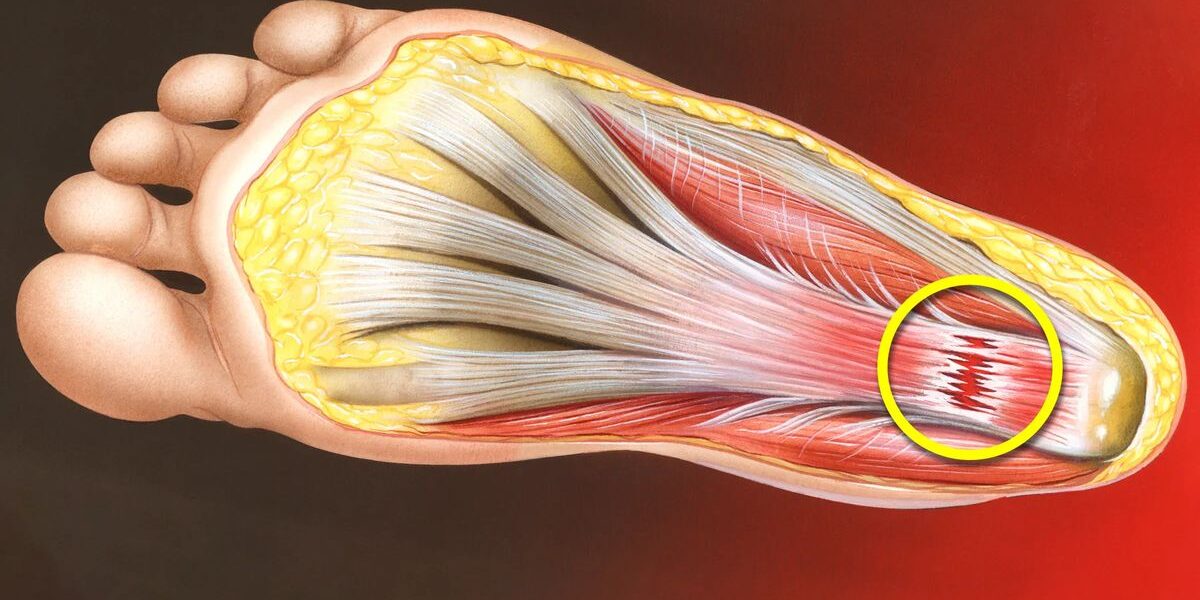
Plantar fasciitis is irritation or degeneration of the plantar fascia, the thick band of tissue that runs along the bottom of your foot from the heel toward the toes. This band supports your arch and absorbs stress every time you stand, walk, or run.
When the fascia is overloaded, tiny areas of the tissue become irritated or start to break down. The result is pain and stiffness, usually near the heel. Despite the “-itis” ending, which suggests inflammation, research shows the condition often involves tissue wear more than active swelling.
What does plantar fasciitis feel like?
Plantar fasciitis usually feels like a sharp, stabbing pain in the heel or a deep ache along the arch. Many people describe it as stepping on a stone or a bruise that won’t heal.
Common patterns include:
- Pain focused on the inner part of the heel, where the fascia attaches to the heel bone
- Arch pain that spreads toward the middle of the foot
- Sharp foot pain with the first few steps in the morning
- Discomfort that eases as you move, then returns after long periods on your feet
The pain is often worst at the start of activity and after rest, not during rest itself.
Why does plantar fasciitis hurt more in the morning?
Heel pain in the morning happens because the plantar fascia tightens overnight while you sleep. When you’re off your feet, the tissue shortens and stiffens. Your first steps stretch it suddenly, which reproduces that familiar stabbing sensation.
The same thing can happen after sitting for a long time — at your desk, in the car, or on a flight. This “first-step pain” after rest is one of the most recognizable signs of plantar fasciitis.
What causes plantar fasciitis?
Plantar fasciitis is caused by repeated stress and tension on the plantar fascia. Over time, that strain leads to small-scale tissue damage near the heel.
Common contributing factors include:
- Sudden activity changes — ramping up running mileage, starting a new workout, or spending far more time on your feet than usual
- Prolonged standing or walking, especially on hard surfaces
- Unsupportive footwear — flat shoes, worn-out sneakers, or going barefoot on hard floors
- Foot structure — very high arches, flat feet, or an unusual walking pattern that changes how load spreads across your foot
- Extra stress on the feet, including carrying additional body weight
- Tight calf muscles or Achilles tendon, which limit ankle motion and increase pull on the fascia
Most cases involve a combination of these factors rather than a single cause.
Who is at risk of developing plantar fasciitis?
Plantar fasciitis can affect nearly anyone, but certain groups face higher risk. Understanding your risk factors helps you take earlier, smarter action.
You may be more likely to develop it if you:
- Are between roughly 40 and 60 years old
- Run, dance, or do high-impact exercise regularly
- Work in a job that keeps you standing or walking for long shifts — nurses, teachers, retail staff, and factory workers, for example
- Wear shoes with poor arch support or thin soles
- Have flat feet, high arches, or tight calves
- Carry extra weight that adds load to the feet
Having a risk factor doesn’t guarantee you’ll develop the condition — it simply means paying attention to your feet is worthwhile.
How is plantar fasciitis diagnosed?
Plantar fasciitis is diagnosed mainly through a clinical exam — a hands-on evaluation of your foot and a review of your symptoms. Imaging is often unnecessary for a straightforward case.
During the visit, a healthcare professional will typically:
- Ask about your symptoms — where the pain is, when it started, and what makes it better or worse
- Examine your foot — pressing along the heel and arch to locate the tender area and checking your ankle and calf flexibility
- Watch how you move — observing your walking pattern and foot mechanics
Imaging such as X-rays or ultrasound may be considered when the diagnosis is unclear, when pain doesn’t improve, or to rule out other causes of heel pain like a stress fracture, nerve problem, or arthritis. An X-ray may reveal a heel spur, but spurs are common and usually not the source of the pain.
How is plantar fasciitis treated?
Plantar fasciitis is treated first with conservative, non-surgical care — and most people improve without procedures. The goal is to reduce strain on the fascia and give the tissue time to recover.
Common approaches your healthcare professional may recommend include:
- Stretching and strengthening. Gentle calf and plantar fascia stretches reduce tension and are among the most effective self-care steps.
- Supportive footwear. Shoes with good arch support and cushioned soles help offload the fascia. Avoid walking barefoot on hard surfaces.
- Orthotics. Over-the-counter or custom orthotics — shoe inserts that support the arch and heel — can improve comfort and foot mechanics.
- Activity modification. Temporarily swapping high-impact activity for low-impact options like swimming or cycling lets the tissue settle.
- Ice and short-term pain relief. Applying ice and, when appropriate, using over-the-counter pain medication can ease flare-ups.
- Physical therapy. A physical therapist can guide targeted stretching, strengthening, and hands-on techniques tailored to your foot.
- Night splints. These hold the foot in a gentle stretch overnight, which can reduce that first-step morning pain for some people.
When symptoms persist despite several months of consistent conservative care, a specialist may discuss additional options. These can include corticosteroid injections, shockwave therapy, or, in rare cases, surgery. These are considered individually, and results vary from person to person.
Can plantar fasciitis go away on its own?
Plantar fasciitis often improves on its own, but it can take time — sometimes several months to a year. Consistent home care usually speeds recovery and lowers the chance of the pain becoming long-lasting.
Ignoring the pain and pushing through hard activity can prolong it. The most reliable path is steady, daily attention: supportive shoes, regular stretching, and easing off aggravating activities until symptoms calm down.
What exercises can help plantar fasciitis?
Stretching and strengthening exercises help plantar fasciitis by loosening tight tissue and building support around the heel and arch. Do them gently and stop if pain sharply increases.
Try these regularly:
- Calf stretch. Stand facing a wall, step one foot back, keep the heel down, and lean forward until you feel a stretch in the calf. Hold 30 seconds.
- Plantar fascia stretch. While seated, cross one foot over your knee and gently pull your toes back toward your shin until you feel a stretch along the arch. Hold 30 seconds.
- Towel or bottle roll. Roll the arch of your foot over a frozen water bottle or a towel to massage the tissue.
- Towel scrunch. Place a towel on the floor and use your toes to scrunch it toward you, building strength in the small muscles of the foot.
Aim for a few repetitions two to three times a day, especially before your first steps in the morning.
When should you see a doctor for heel pain?
See a doctor for heel pain when it’s persistent, severe, or not improving with several weeks of home care. Not all heel pain is plantar fasciitis — other conditions can cause similar symptoms, and a proper evaluation confirms the cause.
Seek professional evaluation if you have:
- Heel or foot pain that lasts more than a few weeks despite rest and stretching
- Severe pain, swelling, redness, or warmth in the heel
- Numbness, tingling, or pain that spreads
- Pain following a fall or injury, which could signal a fracture
- Difficulty walking or bearing weight
Get a clear diagnosis and a plan that fits you
If heel or foot pain is interfering with your daily routine, don’t wait it out indefinitely. A qualified foot and ankle specialist can pinpoint the cause, rule out other conditions, and build a treatment plan matched to your needs. Schedule an evaluation to start moving comfortably again.
Frequently Asked Questions
How long does plantar fasciitis take to heal?
Most cases improve within a few months to a year with consistent care. Daily stretching, supportive footwear, and activity modification typically speed recovery.
Is walking good or bad for plantar fasciitis?
Short, comfortable walks in supportive shoes are usually fine, but long walks on hard surfaces can worsen symptoms. Low-impact options like swimming or cycling are gentler during flare-ups.
What is the fastest way to relieve plantar fasciitis pain?
There’s no instant cure, but stretching before your first steps, wearing supportive shoes, icing the heel, and using arch-supporting orthotics can ease pain quickly for many people.
Does plantar fasciitis mean I have a heel spur?
No. Heel spurs often show up on X-rays of people without any pain, and many people with plantar fasciitis have no spur at all. The fascia irritation, not the spur, is usually the source of pain.
Can the wrong shoes cause plantar fasciitis?
Yes. Flat, worn-out, or unsupportive shoes increase strain on the plantar fascia and are a common contributing factor. Supportive footwear with good arch support helps prevent and manage symptoms.
This article is for general education and is not a substitute for personalized medical advice. Talk with a qualified healthcare professional about your specific symptoms.