Heel pain is one of the most common foot complaints, and it usually improves with the right care. Most cases come from irritation or overuse of the tissues that support your heel, not from anything dangerous. Still, the cause matters, because the treatment that helps one condition may do little for another.
That first painful step in the morning, the ache after a long walk, the tenderness behind your heel in new shoes: each points to a different problem. Getting an accurate answer starts with understanding what your symptoms are telling you. If your heel pain is persistent or worsening, a proper evaluation from an experienced orthopaedic care team can pinpoint the cause and match it to the right treatment.
This guide explains what heel pain is, what causes it, how it’s diagnosed, and how it’s treated — in plain language.
What Is Heel Pain?
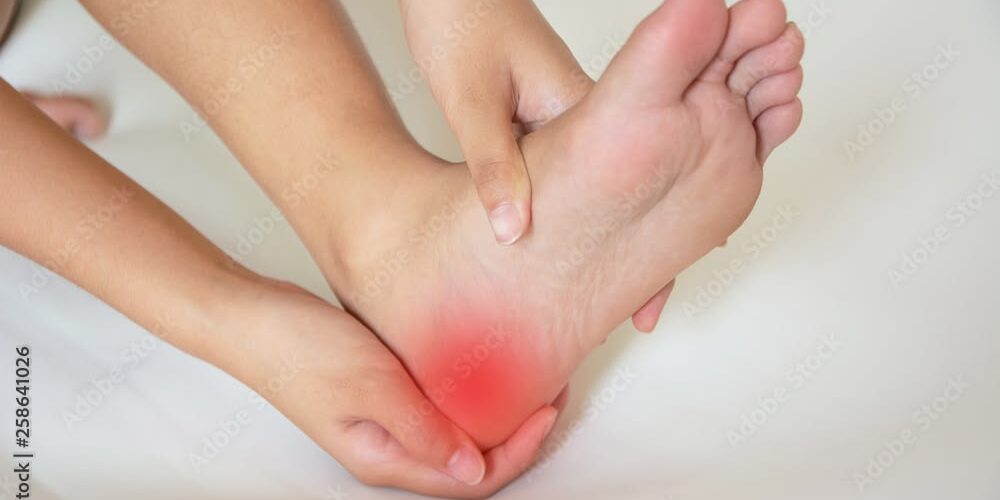
Heel pain is discomfort felt underneath, behind, or around the heel bone (the calcaneus, the largest bone in your foot). It can range from mild soreness to sharp, disabling pain that makes walking hard.
Your heel absorbs enormous force with every step. When the muscles, tendons, ligaments, nerves, or bone around it are overloaded or injured, pain in the heel is often the first signal. The location of that pain — under the heel versus behind it — is one of the clearest clues to the cause.
What Causes Heel Pain?
Heel pain has many possible causes, and they are not all the same. Below are the most common, along with the less common but more serious ones worth knowing about.
Plantar Fasciitis
Plantar fasciitis is the most common cause of pain beneath the heel. It’s irritation of the plantar fascia — the thick band of tissue running along the sole from your heel to your toes.
The hallmark sign is sharp pain with your first steps after waking or after sitting for a while. The pain often eases as you move, then returns after long periods on your feet. Plantar heel pain like this tends to build gradually rather than start suddenly.
Achilles Tendinitis and Tendinopathy
Achilles tendon problems cause pain at the back of the heel. The Achilles tendon connects your calf muscles to your heel bone, and it can become irritated (tendinitis) or worn down over time (tendinopathy).
You may notice stiffness and aching behind the heel, especially when you start moving or push off while walking. The area can feel tender and sometimes swollen.
Heel Bursitis
Heel bursitis is inflammation of a bursa — a small fluid-filled sac that cushions tissues near the heel. It often shows up as pain and swelling at the back of the heel, sometimes where the shoe rubs.
Tight or stiff shoes can trigger it. So can sudden increases in activity.
Heel Spurs
A heel spur is a small calcium deposit that forms on the heel bone, often where the plantar fascia attaches. Heel spurs are common — and many people who have them feel no pain at all.
A spur is frequently a sign of long-standing tissue stress rather than the direct source of discomfort. This is why treatment usually targets the surrounding soft tissue, not the spur itself.
Stress Fractures and Other Injuries
A stress fracture is a tiny crack in the heel bone caused by repeated impact. It can produce deep, worsening pain that gets worse with activity and better with rest.
Runners, athletes, and people who ramp up exercise quickly are more at risk. A direct blow or fall can also bruise or fracture the heel and needs prompt evaluation.
Nerve-Related Causes
Nerve irritation can cause heel pain that feels different from a typical ache. A pinched or compressed nerve near the heel may produce burning, tingling, or numbness rather than sharp, localized pain.
Conditions such as tarsal tunnel syndrome — pressure on a nerve inside the ankle — can send these sensations into the heel.
Other Possible Medical Conditions
Some heel pain stems from broader health conditions. Certain types of arthritis, gout, or inflammatory disorders can affect the heel, and infections are a rare cause.
This is why a doctor looks at your full picture — not just your foot — when the cause isn’t obvious.
What Does Heel Pain Feel Like?
Heel pain symptoms vary by cause, and describing them accurately helps guide diagnosis. Common experiences include:
- Sharp, stabbing pain under the heel, especially with the first steps of the day
- Dull aching or stiffness behind the heel that eases with movement
- Tenderness when you press on a specific spot
- Swelling or warmth around the heel
- Burning, tingling, or numbness, which can point to a nerve issue
- Pain that worsens with activity and improves with rest
Note when your pain is worst, what makes it better, and where exactly it sits. Those details matter.
Heel Pain Under the Heel vs. Behind the Heel
Where your heel hurts is one of the best clues to why. The two main patterns differ clearly:
- Pain under the heel (on the sole) is most often linked to plantar fasciitis, and sometimes to a stress fracture or a fat-pad issue. The classic sign is that painful first step in the morning.
- Pain behind the heel (at the back) is more often tied to Achilles tendon problems or bursitis. It tends to flare with pushing off or wearing stiff shoes.
Pointing to the exact spot that hurts gives your doctor a valuable head start.
Who Is More Likely to Develop Heel Pain?
Certain factors raise your risk of a painful heel. You may be more likely to develop heel pain if you:
- Spend long hours standing or walking on hard surfaces
- Recently increased your exercise or mileage
- Run or play high-impact sports
- Carry extra body weight, which adds load to the heel
- Wear unsupportive, worn-out, or ill-fitting shoes
- Have very flat feet or high arches
- Have tight calf muscles or a tight Achilles tendon
- Are middle-aged, when tissue naturally loses some elasticity
Having a risk factor doesn’t guarantee heel pain — it simply means the tissues around your heel are under more strain.
How Is Heel Pain Diagnosed?
Heel pain is diagnosed through your history and a physical exam, sometimes supported by imaging. There’s no single test for every cause, so the process is about matching your story to the findings.
A typical evaluation includes:
- Reviewing your symptoms — where it hurts, when it started, and what makes it worse.
- Examining the foot — checking for tender spots, swelling, arch shape, and range of motion.
- Testing your movement — watching how you walk and how you rise onto your toes.
- Ordering imaging when needed — an X-ray can reveal fractures or spurs, while ultrasound or MRI can show soft-tissue and tendon problems.
An accurate diagnosis is what allows treatment to target the real cause rather than just the symptom.
How Is Heel Pain Treated?
Most heel pain improves with simple, non-surgical care. Treatment depends on the cause, but the following approaches help many people find relief:
- Rest and activity modification — Ease off the activities that trigger pain, and swap high-impact exercise for lower-impact options like swimming or cycling.
- Ice when appropriate — Applying a cold pack to a sore, inflamed heel for short periods can help calm pain and swelling.
- Supportive footwear — Shoes with good arch support and cushioning reduce strain. Avoid flat, worn-out, or unsupportive shoes.
- Stretching and strengthening — Gentle calf and plantar fascia stretches, plus targeted strengthening, can ease many common causes over time.
- Orthotics or heel cups — Over-the-counter or custom inserts can cushion the heel and support the arch when appropriate.
- Physical therapy — A therapist can guide exercises, correct movement patterns, and speed recovery.
- Other treatments — Depending on the cause, your doctor may discuss anti-inflammatory measures, night splints, or additional options.
Surgery is rarely the first choice for common causes like plantar fasciitis. Most people improve with consistent conservative care, and surgery is considered only when well-tried treatments haven’t helped over an extended period.
Over-the-counter pain relievers may help some people, but check with a healthcare professional before starting any medication.
When Should You See a Doctor for Heel Pain?
See a doctor when heel pain is severe, doesn’t improve, or comes with warning signs. Prompt medical attention is important if you have:
- Significant heel pain after a fall, blow, or injury
- Substantial swelling or bruising around the heel
- Inability to walk normally or to rise onto your toes
- Fever along with a red, hot, or swollen heel
- Numbness, tingling, or a burning sensation
- Pain that persists for several weeks despite home care
These signs can point to a fracture, infection, nerve involvement, or another problem that needs timely evaluation.
Can Heel Pain Be Prevented?
Many cases of heel pain can be prevented by lowering the daily strain on your heel. To reduce your risk:
- Wear supportive shoes that fit well and suit your activity.
- Replace worn-out footwear before the cushioning breaks down.
- Increase activity gradually instead of jumping into intense exercise.
- Stretch your calves and feet regularly, especially before exercise.
- Maintain a healthy weight to lighten the load on your heels.
- Rest when you feel early soreness rather than pushing through it.
Small, consistent habits protect your feet far more than any quick fix.
Frequently Asked Questions About Heel Pain
What is the most common cause of heel pain?
Plantar fasciitis is the most common cause. It creates pain under the heel, typically sharpest with your first steps in the morning.
Why does my heel hurt when I take my first steps in the morning?
That first-step pain is a classic sign of plantar fasciitis. The plantar fascia tightens overnight, so stretching it with those first steps can feel sharp until the tissue warms up.
Can heel pain go away on its own?
Mild heel pain can improve on its own with rest, supportive shoes, and stretching. Pain that lingers for several weeks or keeps returning should be evaluated.
When is heel pain serious?
Heel pain is more serious when it follows an injury, comes with significant swelling, or brings fever, numbness, or an inability to walk or rise onto your toes. These warrant prompt care.
Does a heel spur cause heel pain?
A heel spur often does not cause pain on its own. Many people have spurs with no symptoms, and discomfort usually comes from the surrounding soft tissue.
What can I do at home for heel pain?
Rest from aggravating activities, ice a sore heel, wear supportive shoes, and gently stretch your calves and feet. See a doctor if it doesn’t improve.
Conclusion
Heel pain is common, usually treatable, and most often caused by manageable conditions like plantar fasciitis or Achilles tendon irritation. The key is matching the treatment to the true cause — which starts with paying attention to where and when your heel hurts. With rest, supportive footwear, and the right exercises, most people find lasting relief.
This article is for educational purposes only and does not replace an individual medical evaluation. Always consult a qualified healthcare professional about your specific symptoms.
Living with heel pain that’s persistent, worsening, or interfering with daily life? Don’t wait it out. Schedule an evaluation with a qualified orthopaedic professional to identify the cause and build a treatment plan tailored to you.