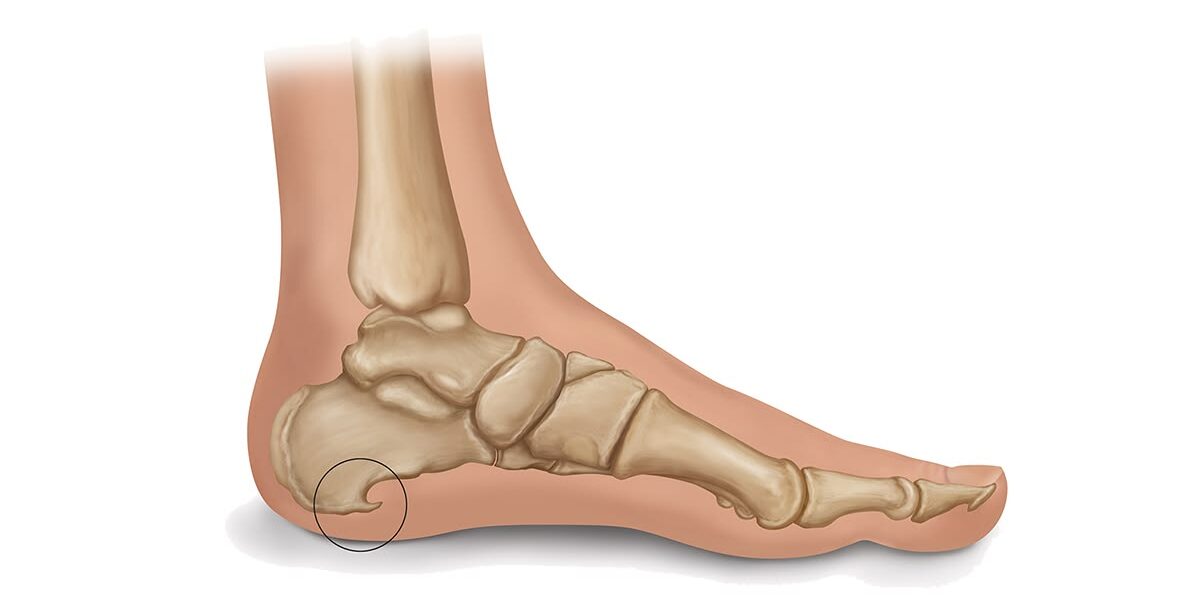
A heel spur is a small, bony growth that forms on the heel bone (calcaneus), usually where soft tissue attaches to the bone. It builds up gradually from calcium deposits and can point forward toward the arch of your foot. Many people assume a heel spur is the direct cause of their heel pain. That assumption is often wrong.
Here is the key fact: a heel spur can exist without causing any pain at all. Studies using imaging have found heel spurs in people who have no heel discomfort whatsoever. So if you have heel pain, the spur may be a bystander rather than the culprit — the real source is often the surrounding soft tissue.
Understanding this distinction matters because it changes how heel pain should be treated. If your heel pain is persistent or interfering with daily life, it’s worth learning what might actually be causing it and when to consult an orthopedic specialist for a proper evaluation. This guide walks you through the causes, symptoms, diagnosis, and treatment of heel spurs in plain language.
What Is a Heel Spur?
A heel spur is a bony projection that develops on the underside or back of the heel bone. It’s a form of bone spur (osteophyte) — an outgrowth of bone that forms in response to long-term stress or strain.
Heel spurs come in two main locations:
- Plantar heel spurs form on the bottom of the heel, near where the plantar fascia connects.
- Posterior heel spurs form at the back of the heel, near where the Achilles tendon attaches.
Most heel spurs measure just a few millimeters. They develop slowly over months or years, which means you may have one long before you ever notice it — if you notice it at all. The spur itself is not a disease. It’s the body’s response to repeated tension and pressure on the heel.
What Causes a Heel Spur?
Heel spurs form from repeated stress on the heel bone and its surrounding tissues. When the ligaments and tendons attached to the heel are pulled and strained over time, the body may lay down extra calcium at the site — and that calcium buildup becomes a spur.
Common contributors to heel spur causes include:
- Repetitive strain from running, jumping, or long periods of standing.
- Chronic tension on the plantar fascia, the thick band of tissue along the bottom of your foot.
- Abnormal walking mechanics that place uneven pressure on the heel.
- Poorly fitting or unsupportive footwear worn over long stretches.
- Excess body weight, which increases load on the heel with every step.
The pattern is consistent: sustained mechanical stress drives the bone to adapt. Address the source of that stress, and you address the problem at its root.
What Does a Heel Spur Feel Like?
A heel spur often feels like nothing at all. When it does cause symptoms, the discomfort usually comes from inflammation in the surrounding soft tissue rather than the bone itself.
When heel spur symptoms do appear, people commonly describe:
- A sharp, stabbing pain in the heel with the first steps in the morning.
- A dull ache that lingers throughout the day.
- Pain that flares after standing up from rest or after exercise.
- Tenderness that makes it hard to walk barefoot on hard surfaces.
These sensations overlap heavily with other heel conditions — which is exactly why a painful heel spur is so often confused with plantar fasciitis.
Heel Spur vs. Plantar Fasciitis
Heel spurs and plantar fasciitis are related but distinct. A heel spur is a bony growth; plantar fasciitis is inflammation of the plantar fascia, the ligament that runs along the bottom of your foot.
The two frequently appear together, and that’s where confusion starts. Chronic plantar fasciitis places ongoing tension on the heel bone, which can encourage a spur to form. But the spur is a result, not the cause, of the strain.
Here’s the practical difference:
- Plantar fasciitis produces the classic first-step morning pain from an irritated ligament.
- A heel spur is a structural bony change that may or may not produce symptoms.
Because so many people have both, treatment usually focuses on calming the inflamed tissue — not on the bone spur itself. This is why the connection between plantar fasciitis and heel spur is so important to understand before choosing a treatment path.
Who Is More Likely to Develop Heel Spurs?
Certain people face a higher risk of developing a bone spur in the heel. The common thread is repeated or prolonged stress on the foot.
You may be more likely to develop heel spurs if you:
- Run or participate in high-impact sports regularly.
- Spend long hours standing or walking on hard surfaces at work.
- Carry excess body weight.
- Have flat feet or unusually high arches.
- Wear shoes with worn-out or inadequate support.
- Are middle-aged or older, since tissue elasticity decreases with time.
Knowing your risk factors helps you take preventive steps early — better footwear and regular stretching being two of the simplest.
How Is a Heel Spur Diagnosed?
A heel spur is diagnosed through a combination of your medical history, a physical exam, and, when needed, imaging. Not everyone with heel pain needs an X-ray.
A typical evaluation follows these steps:
- Review your history — when the pain started, what triggers it, and how it affects your daily activities.
- Examine the foot — checking for tender points, swelling, arch shape, and how you walk.
- Order imaging when warranted — an X-ray can confirm a spur and rule out other causes like a fracture.
Imaging matters here because a heel spur only shows up clearly on an X-ray. But a spur seen on film doesn’t automatically explain your pain. A qualified clinician interprets that image alongside your symptoms to identify the true source. This is where professional orthopedic care makes the difference between guessing and knowing.
How Are Heel Spurs Treated?
Heel spur treatment focuses on relieving the underlying cause of heel pain rather than removing the bone itself. Most people improve with conservative, non-surgical care.
Common conservative measures include:
- Activity modification — reducing high-impact activities that aggravate the heel.
- Supportive footwear — shoes with good arch support and cushioning.
- Heel pads or heel cups — inserts that soften impact and offload pressure.
- Stretching — targeted calf and plantar fascia stretches to ease tension.
- Physical therapy — guided exercises to improve strength and mechanics.
- Custom orthotics — prescribed inserts when standard support isn’t enough.
- Over-the-counter pain relief — anti-inflammatory medication when appropriate.
A note on medication: over-the-counter options aren’t right for everyone. Certain health conditions and other medications can interact with them, so check with a healthcare professional before starting anything new.
Treatment works best when it targets the strained tissue — not the spur. Injections or surgery are reserved for the small number of cases that don’t respond to months of consistent conservative care, and those decisions belong to you and your doctor together.
Can a Heel Spur Go Away on Its Own?
A heel spur will not disappear on its own without surgery. Once the bone growth forms, it stays — there’s no exercise, stretch, or medication that dissolves it.
Here’s the encouraging part: you usually don’t need it to disappear. The pain associated with heel spurs comes from inflamed soft tissue, and that inflammation often resolves with conservative treatment. Many people become completely pain-free while the spur remains exactly where it was.
The goal isn’t to erase the spur. It’s to calm the tissue around it and correct the stress that caused the problem.
When Should You See a Doctor for Heel Pain?
See a doctor for heel pain when it persists, worsens, or interferes with your daily activities despite reasonable home care. Heel pain has many possible causes, and only a professional can determine which one applies to you.
Seek prompt medical attention if you experience any of these red flags:
- Severe heel pain immediately after an injury.
- Significant swelling, redness, or warmth around the heel.
- Inability to walk normally or bear weight.
- Numbness or tingling in the foot.
- Fever along with heel pain.
- Pain that doesn’t improve after several weeks of self-care.
These signs can point to conditions that need timely evaluation. When in doubt, get it checked.
Frequently Asked Questions About Heel Spurs
What is a heel spur?
A heel spur is a small bony growth on the heel bone, often forming where soft tissue attaches. It may cause no symptoms at all.
Are heel spurs painful?
Not always. Many heel spurs cause no pain, and discomfort usually comes from surrounding inflamed tissue rather than the bone.
Can heel spurs cause heel pain?
They can contribute, but heel pain is more often driven by soft-tissue conditions like plantar fasciitis than by the spur itself.
What is the difference between a heel spur and plantar fasciitis?
A heel spur is a bony growth; plantar fasciitis is inflammation of the plantar fascia ligament. They often occur together.
How are heel spurs diagnosed?
Through your medical history, a physical exam, and an X-ray when needed to confirm the spur and rule out other causes.
Can a heel spur disappear without surgery?
No. The bone growth remains, but the pain around it often resolves with conservative treatment.
When should I see a doctor for heel pain?
When pain persists beyond a few weeks, worsens, or comes with swelling, numbness, fever, or trouble walking.
Take the Next Step Toward Relief
Persistent heel pain deserves a proper answer — not guesswork. If your heel pain isn’t improving with reasonable self-care, is getting worse, or is making it hard to walk or get through your day, schedule an evaluation with a qualified healthcare professional. An accurate diagnosis is the fastest path to lasting relief, and the right care plan starts with understanding exactly what’s causing your pain.