Foot pain is discomfort in any part of the foot — the heel, arch, ball, toes, or the top of the foot. Your feet carry your entire body weight with every step, so even a small problem can affect how you stand, walk, and move through your day. Most foot pain is temporary and improves with rest and simple care. Some cases point to a condition that needs medical attention.
This guide explains the common causes, how to read your symptoms, safe steps you can take at home, and the warning signs that mean it’s time to see a professional. Diagnosis always depends on your specific symptoms, medical history, and a physical exam — so use this as a starting point, not a substitute for care.
If your pain lingers, worsens, or interferes with walking, an evaluation from a qualified orthopaedic specialist can help identify the cause and guide the right treatment. Getting an accurate answer early often prevents a minor issue from becoming a lasting one.
What causes foot pain?
Foot pain has many possible causes, and they range from simple overuse to structural problems inside the foot. The foot contains 26 bones, dozens of joints, and a network of muscles, tendons, and ligaments — so pain can start in many places.
Common causes of foot pain include:
- Overuse or repetitive strain from running, standing for long hours, or a sudden jump in activity
- Injuries such as sprains, strains, stress fractures, or bruising
- Improper footwear that lacks support or fits poorly
- Inflammatory conditions like plantar fasciitis or tendonitis
- Arthritis, which can affect the joints of the foot and toes
- Nerve problems, which may cause burning, tingling, or numbness
- Structural issues such as flat feet, high arches, or bunions
Because the possible causes overlap, the location and pattern of your pain matter. Which is exactly what the next section covers.
Different types and locations of foot pain
Where your foot hurts often points toward the likely cause. Pinpointing the exact spot is one of the first things a doctor asks about, and it helps narrow the possibilities.
Heel pain
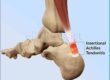
Heel pain is discomfort at the back or bottom of the heel. Plantar fasciitis — inflammation of the thick band of tissue along the sole — is a frequent cause, especially when pain is sharp during your first steps in the morning. Heel pain can also come from a bruised heel pad or an Achilles tendon problem.
Arch pain
Arch pain sits in the middle section of your sole. It’s often linked to plantar fasciitis, flat feet, or overuse. Standing all day on hard surfaces can make it worse.
Bottom of foot pain
Bottom of foot pain affects the sole and ball of the foot. Causes include plantar fasciitis, nerve irritation, calluses, or metatarsalgia — inflammation in the ball of the foot. Burning or tingling on the sole may signal a nerve issue.
Top of foot pain
Top of foot pain involves the upper surface between the ankle and toes. It can result from tendonitis, a stress fracture, tight laces, or arthritis. This area is more likely than others to signal a bone-related injury.
Track when your pain appears — at rest, during activity, or on your first steps — and share that pattern with your doctor.
Foot pain from injuries and overuse
Injuries and overuse are among the most common reasons feet hurt. An injury causes sudden damage, while overuse builds up gradually from repeated stress.
Typical injury-related causes include:
- Sprains — stretched or torn ligaments, often after a twist or misstep
- Strains — overstretched muscles or tendons
- Stress fractures — tiny cracks in a bone from repeated impact
- Bruises — from dropping something or striking the foot
A stress fracture often causes foot pain when walking that eases with rest and returns with activity. Overuse injuries respond well to early rest — so ease off the activity that triggered the pain before it worsens.
Plantar fasciitis and other common conditions
Plantar fasciitis is inflammation of the plantar fascia, the band of tissue running along the bottom of your foot. It’s one of the most common sources of heel and arch pain. The classic sign is a stabbing pain with your first steps in the morning that eases as you move, then returns after long periods of standing.
Other common foot problems include:
- Bunions — bony bumps at the base of the big toe
- Tendonitis — inflamed tendons, often from overuse
- Neuromas — a thickening of nerve tissue, usually between the toes
- Arthritis — joint inflammation causing stiffness and pain
- Flat feet or high arches — structural traits that change how weight spreads across your foot
Each condition has its own pattern, which is why an in-person exam matters more than matching symptoms online.
How symptoms help identify the possible cause
Your symptoms offer clues, but they don’t confirm a diagnosis on their own. A doctor combines them with your history and an exam to reach an answer.
Consider these patterns:
- Sharp morning heel pain often points toward plantar fasciitis
- Pain that worsens with activity and eases with rest may suggest a stress fracture or overuse
- Burning, tingling, or numbness can indicate a nerve issue
- Swelling and warmth may signal inflammation or infection
- Stiffness in the joints can be linked to arthritis
Two people with pain in the same spot can have entirely different causes. Note your symptoms in detail, then let a professional interpret them.
When should you see a doctor for foot pain?
You should see a doctor when foot pain is severe, persistent, or comes with concerning symptoms. Mild pain that improves with rest usually doesn’t need a visit, but certain signs call for prompt care.
Seek medical attention if you have:
- Inability to bear weight or walk normally
- Severe pain after an injury
- Significant foot swelling that doesn’t go down
- Signs of infection — redness, warmth, pus, or fever
- Numbness or loss of feeling in the foot
- Pain that persists for more than a couple of weeks despite home care
- A visible deformity after an injury
If you have diabetes or poor circulation, treat any new foot problem seriously and contact your doctor early. Nerve damage can hide pain that signals a bigger issue.
How is foot pain diagnosed?
Foot pain is diagnosed through a combination of your medical history, a physical exam, and, when needed, imaging tests. There’s no single test for every case — the process is tailored to your symptoms.
A typical evaluation follows these steps:
- Review your history — the doctor asks when the pain started, what makes it better or worse, and about past injuries.
- Examine the foot — checking for tenderness, swelling, range of motion, and how you walk.
- Order imaging if needed — an X-ray can reveal fractures or arthritis, while an MRI or ultrasound shows soft-tissue problems.
- Run additional tests when appropriate — blood work may help if an inflammatory or systemic condition is suspected.
Bring the shoes you wear most often to your appointment. They give the doctor useful clues about wear patterns and support.
What treatments can help foot pain?
Treatment for foot pain depends on the underlying cause, so there’s no single fix that works for everyone. The goal is to reduce pain, support healing, and prevent the problem from returning.
Common treatment options include:
- Rest and activity changes to take pressure off the foot
- Supportive footwear or orthotics — custom or over-the-counter inserts
- Physical therapy with targeted stretching and strengthening
- Anti-inflammatory measures to reduce pain and swelling
- Injections in some cases, when other measures aren’t enough
- Surgery, reserved for specific conditions that don’t respond to conservative care
Your doctor will match the treatment to your diagnosis. Follow the full plan, even after the pain eases, to lower the chance of it coming back.
Safe at-home measures that may help
Several at-home steps may ease mild foot pain while it heals. The R.I.C.E. method — Rest, Ice, Compression, and Elevation — is a well-known starting point for many minor injuries.
For foot pain relief at home:
- Rest the foot and avoid the activity that triggered the pain
- Ice the area for 15–20 minutes at a time to reduce swelling
- Elevate the foot above heart level when resting
- Wear supportive shoes and skip flat, unsupportive footwear
- Try gentle stretches for the calf and sole
Stop any measure that increases your pain, and see a professional if home care doesn’t help within a couple of weeks.
Exercises, stretching, footwear, and activity modification
Stretching, proper footwear, and smart activity choices support recovery and help prevent future pain. Small daily habits often make the biggest difference.
Helpful habits include:
- Stretch your calves and plantar fascia daily, especially before getting out of bed.
- Roll your sole over a frozen water bottle or ball to ease tension.
- Choose supportive shoes with good arch support and cushioning.
- Replace worn shoes before the support breaks down.
- Increase activity gradually rather than all at once.
Build these into a routine you can keep — consistency matters more than intensity.
How to prevent recurring foot pain
Preventing recurring foot pain comes down to protecting your feet from repeated strain. Once pain resolves, good habits keep it from returning.
To lower your risk:
- Wear well-fitting, supportive shoes for your activity
- Warm up and stretch before exercise
- Maintain a healthy body weight to reduce pressure on your feet
- Increase workout intensity slowly
- Give your feet rest days between high-impact activities
Check your shoes every few months and replace them when the cushioning flattens.
When to get professional care
Persistent, severe, worsening, or unexplained foot pain deserves a professional evaluation. If your symptoms aren’t improving, or if you’re unsure what’s causing them, don’t wait it out. A qualified orthopaedic or medical professional can pinpoint the cause, rule out serious conditions, and build a treatment plan suited to you. Early evaluation often means a faster, fuller recovery — schedule a visit if your foot pain is holding you back.
Frequently Asked Questions (FAQs)
Can foot pain go away on its own?
Yes, mild foot pain from minor overuse or a small injury often improves on its own with rest, ice, and supportive shoes. Pain that persists beyond two weeks, worsens, or comes with swelling or numbness should be evaluated by a doctor.
What causes foot pain when walking?
Foot pain when walking can come from plantar fasciitis, a stress fracture, arthritis, nerve irritation, or unsupportive footwear. Because the causes differ, a physical exam helps identify the source accurately.
Is foot swelling with pain serious?
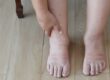
Foot swelling with pain can be a sign of injury, inflammation, or infection. Significant or lasting swelling — especially with redness, warmth, or fever — should be checked by a healthcare professional promptly.
How do I know if my heel pain is plantar fasciitis?
Plantar fasciitis often causes a sharp, stabbing heel pain during your first steps in the morning that eases with movement. Only a doctor can confirm the diagnosis through an exam and, if needed, imaging.
What is the fastest way to relieve foot pain at home?
Resting the foot, applying ice, elevating it, and switching to supportive shoes can offer relief for mild pain. If pain is severe or doesn’t improve, see a professional rather than continuing home care.