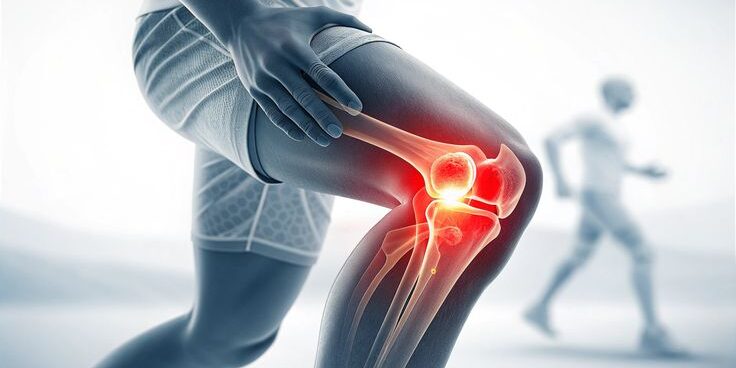
What Is Knee Pain When Bending?
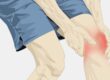
Knee pain when bending is discomfort that appears when you flex the joint, such as during squatting, kneeling, or climbing stairs. It often points to a problem with the cartilage, meniscus, tendons, ligaments, or kneecap. The pain can feel sharp, dull, or achy depending on the underlying cause.
Your knee is one of the largest and most complex joints in the body. It joins the thigh bone (femur), shin bone (tibia), and kneecap (patella). Cushioning cartilage and two C-shaped pads called the meniscus absorb shock. Ligaments hold the bones together, while tendons connect muscle to bone. When you bend, all these parts glide and share pressure. If any structure is damaged or inflamed, bending increases the load and triggers pain.
Common Symptoms
Knee pain when bending rarely shows up alone. Many people notice stiffness, swelling, clicking, or a feeling that the joint may give out. The location and type of pain often hint at the cause, which helps your care team narrow down the diagnosis.
Watch for these signs:
- Sharp knee pain when bending or squatting
- Inner knee pain when bending, often linked to the meniscus
- Outer knee pain when bending, sometimes from tendon irritation
- A swollen knee that feels warm or tight
- Grinding, popping, or clicking sounds
- Stiffness after sitting for a long time
- A sense of instability, like the knee might buckle
| Symptom | What It May Suggest |
| Sharp pain deep in the joint | Meniscus tear |
| Pain around or behind the kneecap | Patellofemoral pain |
| Pain with swelling and warmth | Arthritis or bursitis |
| Pain after activity that eases with rest | Tendonitis or overuse |
| Buckling or looseness | Ligament injury |
Causes of Knee Pain When Bending
Several conditions can make your knee hurt when bending. The most common causes involve worn cartilage, torn tissue, inflamed tendons, or overworked muscles. Identifying the source matters because each cause calls for a different treatment plan.
- Meniscus tear: A twist or deep squat can tear this cushioning pad, causing sharp, inner knee pain and catching.
- Patellofemoral pain syndrome: Often called “runner’s knee,” this causes aching around the kneecap during stairs and squatting.
- Tendonitis: Overused tendons, such as the patellar tendon, become inflamed and hurt when you bend or jump.
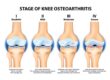
- Arthritis: Osteoarthritis wears down cartilage over time, leading to stiff, painful bending and arthritis knee pain.
- Ligament injuries: A stretched or torn ACL, MCL, or LCL can make the knee feel loose and painful when flexed.
- Bursitis: Fluid-filled sacs called bursae swell and cause tenderness, especially with kneeling.
- Muscle strain: Tight or pulled thigh muscles change how the knee moves and add stress to the joint.
- Overuse injuries: Repeated stress from sports or physical work irritates the joint over time.
Risk Factors
Certain factors raise your chance of developing knee pain when bending. These include age, activity level, and past injuries. Knowing your risk helps you take steps to protect the joint before pain becomes chronic.
Common risk factors include:
- Being overweight, which adds pressure to the knee
- Aging, which naturally wears down cartilage
- High-impact sports like running, basketball, or soccer
- Jobs that require frequent kneeling or squatting
- Previous knee injury or surgery
- Weak thigh or hip muscles
- Poor flexibility or muscle imbalances
Diagnosis
An orthopedic specialist diagnoses knee pain by reviewing your history, examining the joint, and ordering imaging when needed. This step confirms whether the problem lies in the cartilage, meniscus, tendons, or bones, and rules out serious injury.
According to guidance from the American Academy of Orthopaedic Surgeons (AAOS) and Mayo Clinic, evaluation often includes:
- A discussion of your symptoms, activities, and past injuries
- A physical exam to test range of motion, stability, and tender spots
- X-rays to check for arthritis or bone changes
- An MRI to view soft tissues like the meniscus and ligaments
- Sometimes fluid removal from a swollen knee to test for infection or inflammation
Treatment Options
Treatment for knee pain when bending depends on the cause and severity. Most people improve with conservative care like rest, therapy, and medication. Injections or surgery are reserved for cases that do not respond to non-surgical methods.
| Treatment | Best For | What to Expect |
| Home care | Mild pain, minor strains | Rest, ice, compression, elevation |
| Physical therapy | Weakness, patellofemoral pain | Guided exercises to build strength |
| Medications | Inflammation and pain | NSAIDs like ibuprofen, as directed |
| Injections | Moderate arthritis, stubborn pain | Cortisone or hyaluronic acid |
| Surgery | Torn meniscus, severe arthritis | Repair, or joint replacement |
Home Care. Start with the RICE method: rest, ice, compression, and elevation. The Cleveland Clinic notes this can ease swelling and early pain.
Physical Therapy. A therapist teaches exercises that strengthen the muscles supporting your knee. Our physical therapy team can build a plan for you.
Medications. Over-the-counter NSAIDs reduce pain and swelling. Always follow dosing instructions and talk to your doctor about limits.
Injections. For ongoing arthritis knee pain, corticosteroid or hyaluronic acid injections may bring relief when other steps fall short.
Surgery. When a meniscus tear, ligament injury, or advanced arthritis does not improve, surgery may help. Learn more about knee replacement and sports medicine options.
Exercises That May Help
Gentle strengthening and stretching exercises can ease knee pain when bending by supporting the joint and improving movement. The NIH recommends low-impact activity to protect cartilage. Always start slowly and stop if pain increases.
Try these beginner-friendly moves:
- Straight leg raises to strengthen the thigh without bending the knee
- Hamstring stretches to improve flexibility
- Wall sits to build support around the kneecap
- Step-ups to train stair movement safely
- Stationary cycling for low-impact motion
Prevention Tips
Preventing knee pain when bending starts with keeping your joints strong and your movements safe. Maintaining a healthy weight, warming up before activity, and building muscle can lower your risk of injury and long-term wear.
Protect your knees with these habits:
- Keep a healthy body weight to reduce joint load
- Warm up and stretch before exercise
- Wear supportive, well-fitting shoes
- Strengthen your thigh, hip, and core muscles
- Avoid sudden increases in workout intensity
- Use proper form when squatting or lifting
When to See a Doctor
You should see an orthopedic specialist if knee pain lasts more than a few weeks, worsens, or limits daily activity. Seek prompt care for a swollen knee, instability, or pain that follows an injury. Some symptoms need emergency attention.
Get medical care right away if you notice:
- Severe pain or a knee that cannot bear weight
- A visibly deformed or locked joint
- Sudden, major swelling
- Fever with a red, warm knee, which may signal infection
- Numbness or loss of feeling below the knee
Home care works well for mild strains, but it has limits. A professional diagnosis ensures you treat the true cause instead of masking symptoms. Explore our arthritis treatment and orthopedic services to find the right path.
Frequently Asked Questions
Why does my knee hurt when bending?
Bending increases pressure on the cartilage, meniscus, and kneecap. If any of these are inflamed, worn, or torn, the added load triggers pain. Common causes include arthritis, patellofemoral pain, tendonitis, and meniscus injuries.
Can I walk with knee pain?
In many cases, yes. Light walking can keep the joint mobile and support healing. However, if walking causes sharp pain, buckling, or heavy swelling, rest the knee and contact an orthopedic specialist for evaluation.
Is knee pain serious?
Knee pain is often mild and improves with home care. It becomes serious when it involves severe swelling, instability, locking, or an inability to bear weight. These signs suggest a deeper injury that needs medical attention.
What exercises help?
Low-impact moves like straight leg raises, hamstring stretches, wall sits, and stationary cycling help strengthen and support the knee. Start slowly, avoid deep squats early on, and stop any exercise that increases your pain.
Should I use ice or heat?
Use ice for new injuries or swelling, applying it for 15 to 20 minutes at a time. Use heat for stiffness or chronic aches to relax muscles. Avoid heat on a freshly swollen knee, as it can worsen inflammation.
Does a meniscus tear hurt when bending?
Yes. A meniscus tear often causes sharp knee pain when bending, squatting, or twisting. You may also feel catching, locking, or inner knee pain. An MRI usually confirms the tear so treatment can be planned.
Can arthritis cause knee pain?
Yes. Osteoarthritis wears away cartilage, causing stiff, achy arthritis knee pain that worsens with bending and activity. The American College of Rheumatology recommends exercise, weight management, and medication to manage symptoms.
Should I see an orthopedic doctor?
See an orthopedic specialist if pain lasts more than two to three weeks, follows an injury, or limits daily tasks. Early evaluation helps prevent further damage and gives you a clear, personalized treatment plan.
Conclusion
Knee pain when bending is discomfort that occurs when flexing the joint during activities like squatting, kneeling, or climbing stairs. Common causes include meniscus tears, patellofemoral pain syndrome, tendonitis, arthritis, ligament injuries, bursitis, and overuse. Symptoms often include sharp or aching pain, swelling, stiffness, clicking, and instability. Diagnosis typically involves a physical exam, X-rays, and MRI performed by an orthopedic specialist. Treatment ranges from home care (rest, ice, compression, elevation) and physical therapy to medications, injections, and, in severe cases, surgery. Prevention focuses on healthy weight, muscle strengthening, and proper movement. Seek medical care for severe pain, major swelling, instability, locking, or inability to bear weight, which may indicate a serious knee injury requiring evaluation.