
A healthy knee bends smoothly and without pain. Many people feel a sharp twinge, a dull ache, or a stiff catch each time they squat, take the stairs, or stand up after sitting. If you’re asking, “Why does my knee hurt when I bend it?”, the answer depends on which part of the joint is under stress.
Knee pain when bending usually comes from one of five sources: the meniscus, cartilage, tendons, ligaments, or arthritis. Most of these causes respond well to treatment, especially when caught early.
This guide covers:
- What happens inside your knee when it bends
- The eight most common causes of knee pain when bending
- How to read your pain location
- Warning signs that need prompt care
- Proven treatment and prevention steps
Why Does My Knee Hurt When I Bend It?
Short answer: Your knee hurts when you bend it because bending loads the cartilage, meniscus, tendons, and kneecap. Pain means one of these structures is inflamed, worn, or injured. Common causes are runner’s knee, a meniscus tear, arthritis, tendinitis, and bursitis.
Bending is a high-load movement. A deep squat can place several times your body weight through the knee joint. So a small problem that stays quiet while you walk often shows up when you squat, kneel, or climb stairs.
Your next step: note where the pain sits and which movement triggers it. Those two details narrow the cause faster than anything else.
What Happens Inside the Knee When You Bend It?
Short answer: When you bend your knee, bones, cartilage, ligaments, and tendons work together to fold the joint. Pain starts when any of these parts is damaged, irritated, or worn down.
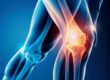
The knee is the largest joint in your body. It connects three bones: the thigh bone (femur), the shin bone (tibia), and the kneecap (patella). Four structures keep it moving:
- Cartilage: Smooth tissue that caps the bone ends so they glide without friction.
- Meniscus: Two C-shaped pads that cushion the joint and absorb shock.
- Ligaments: Tough bands, such as the ACL and MCL, that hold bones together and keep the joint stable.
- Tendons: Cords that attach muscle to bone, including the patellar tendon just below the kneecap.
As you bend, the kneecap slides along a groove in the femur and the meniscus compresses. Damage to any one part turns that motion into pain, clicking, or weakness. For a full overview of knee conditions, visit our knee pain treatment page.
8 Common Causes of Knee Pain When Bending
Knee pain when bending traces back to a short list of conditions. Each has its own pattern of pain, triggers, and timeline.
1. Meniscus Tear
Short answer: A meniscus tear is a rip in the cushioning cartilage of the knee. It is a leading cause of sharp knee pain when squatting, twisting, or bending deeply.
A meniscus tear often happens when you twist on a planted foot. The American Academy of Orthopaedic Surgeons (AAOS) ranks meniscus tears among the most common knee injuries. Younger patients tear it through sudden sports injuries. Adults over 40 often tear it through gradual wear.
Typical symptoms include:
- A popping sensation at the moment of injury
- Swelling within 24 hours
- A knee that catches, locks, or won’t fully straighten
2. Runner’s Knee (Patellofemoral Pain Syndrome)
Short answer: Runner’s knee causes a dull ache around or behind the kneecap. Pain worsens with bending, squatting, long periods of sitting, and climbing stairs.
Runner’s knee develops when the kneecap doesn’t track smoothly in its groove. The Cleveland Clinic notes it is common in runners, cyclists, and anyone who ramps up activity too quickly. Two classic signs stand out: pain after sitting with bent knees (the “theater sign”) and knee pain climbing stairs or walking downhill.
3. Knee Osteoarthritis
Short answer: Yes, arthritis causes pain when bending. Worn cartilage reduces cushioning, so bending creates stiffness, grinding, and a deep ache.
Knee osteoarthritis is the most common form of arthritis. The Centers for Disease Control and Prevention (CDC) reports that osteoarthritis affects more than 32 million U.S. adults. Symptoms build over months or years — not overnight.
Watch for:
- Morning stiffness that eases after you move
- Grinding or crackling sounds (crepitus)
- Swelling after activity
- Pain that worsens as the day goes on
4. Patellar Tendinitis (Jumper’s Knee)
Short answer: Patellar tendinitis is inflammation of the tendon below the kneecap. It causes pain just under the kneecap when you bend, jump, or squat.
Knee tendinitis is an overuse injury. It is common in basketball, volleyball, and running. Pain starts mildly after activity, then appears during activity as the tendon becomes more irritated. Rest eases it; repeated jumping brings it back.
5. Knee Bursitis
Short answer: Knee bursitis is swelling of the small fluid-filled sacs (bursae) that cushion the joint. It causes pain and visible puffiness when kneeling or bending.
The most common form is prepatellar bursitis, which affects the bursa in front of the kneecap. The Mayo Clinic explains that the area can feel warm, tender, and swollen. Flooring installers, plumbers, and gardeners face a higher risk because of frequent kneeling.
Redness with fever can signal an infected bursa. That needs same-day medical care.
6. Ligament Injury (ACL, MCL, LCL)
Short answer: A ligament injury, such as an ACL or MCL sprain, causes pain and instability when you bend, pivot, or twist the knee.
Ligament tears often happen in sports with sudden stops or direction changes, like soccer, football, and basketball. Many patients hear a pop, feel the knee “give out,” and see swelling within hours. The AAOS lists ligament injuries among the most frequent sports-related knee problems. Learn more about ACL injury and MCL injury treatment.
7. Muscle Strain
Short answer: A strain in the hamstring or quadriceps can make bending the knee painful, tight, and stiff.
Strains happen when a muscle stretches too far or works too hard without a warm-up. The pain feels achy and tight rather than sharp. Mild strains heal in a few weeks with rest and gentle stretching.
8. Cartilage Damage
Short answer: Damaged cartilage leaves less cushioning in the knee. This causes pain, swelling, and a grinding feeling when bending and straightening.
Cartilage wears down from age, injury, or repeated stress. When the protective surface breaks down, bending brings bone closer to bone. This often overlaps with early arthritis. A stiff knee is a common companion symptom.
Your next step: match your symptoms to the pain location guide below.
Pain Location Guide: What Your Knee Pain Is Telling You
Pain location is one of the strongest clues to the cause. Use this table as a starting point — not a diagnosis.
| Pain Location | Possible Cause | Common Symptoms | Typical Trigger |
|---|---|---|---|
| Front of knee / around kneecap | Runner’s knee, cartilage wear | Dull ache, theater sign | Sitting, stairs, squatting |
| Just below kneecap | Patellar tendinitis | Tenderness on the tendon | Jumping, kneeling, running |
| On top of kneecap (swollen) | Prepatellar bursitis | Soft, puffy swelling, warmth | Kneeling, direct blow |
| Inner side of knee | Meniscus tear, MCL sprain | Swelling, catching, tenderness | Twisting, deep squats |
| Outer side of knee | IT band syndrome, LCL injury | Burning or sharp pain | Running, cycling, bending |
| Behind the knee | Baker’s cyst, hamstring strain, meniscus tear | Tightness, fullness, swelling | Full bending or straightening |
| Deep inside the joint | Osteoarthritis, cartilage damage | Grinding, stiffness, swelling | Morning, long walks, stairs |
| Whole knee, feels unstable | ACL injury, ligament tear | Giving way, rapid swelling | Pivoting, sudden stops |
Sharp Knee Pain When Squatting
Sharp knee pain when squatting points to a mechanical problem inside the joint. A meniscus tear is the most likely cause, especially if the pain sits on the inner or outer joint line. A dull ache around the kneecap points instead to runner’s knee or patellar tendinitis.
Squatting compresses the meniscus and pushes the kneecap firmly into its groove. Poor form, weak thigh and hip muscles, and tight hamstrings increase that load.
To reduce squatting pain:
- Limit depth to a pain-free range while symptoms settle.
- Keep your knees in line with your second toe — avoid letting them cave inward.
- Strengthen your glutes and quadriceps with bridges and step-ups.
- Stop and get assessed if the knee locks or swells.
Pain Behind Knee When Bending
Pain behind knee when bending usually comes from a Baker’s cyst, a hamstring strain, or a tear in the back of the meniscus. A Baker’s cyst is a fluid-filled pocket that forms when the joint produces extra fluid, often from arthritis or a meniscus tear.
One cause needs urgent attention. Pain behind the knee with calf swelling, warmth, or redness can signal a deep vein thrombosis (a blood clot). Seek emergency care right away if you notice these signs.
Knee Pain Climbing Stairs
Knee pain climbing stairs puts the spotlight on the kneecap. Each step forces the quadriceps to pull the kneecap hard against the femur. Going downstairs adds even more force because the muscles work to brake your body weight.
This pattern most often points to runner’s knee or early cartilage wear. Stronger quadriceps and hip muscles take pressure off the kneecap. A physical therapist can build a targeted program in a few sessions.
Symptoms That Need Prompt Medical Attention
Most mild knee pain settles with rest. Certain signs point to a more serious injury:
- Severe swelling that appears within hours
- A knee that locks, catches, or gives out
- Pain so sharp you can’t bear weight
- A visible deformity or a kneecap out of place
- Redness, warmth, and fever (possible infection)
- Pain behind the knee with calf swelling (possible blood clot)
Contact a doctor or visit urgent care if you notice any of these.
How Doctors Diagnose Knee Pain
Short answer: Orthopedic doctors diagnose knee pain with a hands-on physical exam, followed by imaging such as X-rays, MRI, or ultrasound when needed.
A knee evaluation follows a clear sequence:
- Review your history: Your doctor asks when the pain started, what triggers it, and how it affects daily life.
- Examine the knee: Range of motion, swelling, stability, and tender spots are tested by hand.
- Order X-rays: These show bone problems, arthritis, and joint space narrowing.
- Order an MRI: The best test for soft tissue, including the meniscus, ligaments, and cartilage.
- Use ultrasound: Helpful for spotting fluid, bursitis, and tendon problems.
- Add a CT scan if needed: Used for detailed views of complex bone injuries.
Bring a list of your symptoms and triggers to your appointment. It speeds up diagnosis.
Treatment Options for Knee Pain When Bending
Short answer: Treatment ranges from rest, ice, and physical therapy to medication, injections, and surgery. Most patients improve with conservative care.
The AAOS and Mayo Clinic both recommend starting with the least invasive option and stepping up only when needed:
- Start with RICE: Rest, Ice, Compression, and Elevation for the first 48 to 72 hours.
- Begin physical therapy: Targeted exercises strengthen the quadriceps, hamstrings, and hips that support the knee.
- Use anti-inflammatory medication: Over-the-counter options such as ibuprofen ease pain and swelling. Ask your doctor first if you have stomach, kidney, or heart conditions.
- Consider injections: Corticosteroid or hyaluronic acid injections reduce inflammation when earlier steps fall short.
- Discuss surgery for serious cases: Arthroscopy repairs tears and damaged cartilage. Ligament reconstruction restores stability. Knee replacement treats advanced arthritis.
Your next step: track your progress for two weeks. If pain hasn’t improved, schedule an orthopedic evaluation.
Home Remedies for Mild Knee Pain
Mild knee pain responds well to simple home care:
- Rest the joint and pause activities that trigger pain.
- Apply ice for 15 to 20 minutes, several times a day.
- Wear a compression sleeve or supportive brace.
- Elevate the leg above heart level to reduce swelling.
- Add gentle stretches once sharp pain eases.
- Maintain a healthy weight — every pound lost reduces load on the knee with each step.
If pain lasts longer than two weeks, book a professional assessment.
How to Prevent Knee Pain When Bending
Prevention comes down to strength, flexibility, and smart training habits:
- Warm up for five to ten minutes before exercise.
- Strengthen your thighs, hips, and core two to three times a week.
- Increase intensity gradually — about 10% per week is a safe guide for runners.
- Wear supportive footwear and replace running shoes every 300 to 500 miles.
- Stretch your hamstrings, quads, and calves daily.
- Use knee pads if your work or hobbies involve kneeling.
When to See an Orthopedic Surgeon
Short answer: See an orthopedic surgeon if knee pain lasts more than two weeks, limits daily activities, or comes with locking, instability, or major swelling.
Book a consultation when home care fails, when the knee gives way, or when pain disrupts sleep or work. Early evaluation matters. A meniscus tear or ligament injury left untreated can speed up cartilage wear and lead to arthritis.
Dr. Hasan Syed, MD, is an orthopedic specialist who treats bone, joint, and sports-related injuries. He evaluates the full range of knee conditions — from runner’s knee and tendinitis to meniscus tears, ligament injuries, and osteoarthritis — and builds treatment plans around each patient’s goals.
Key Takeaways
- Why does my knee hurt when I bend it? Bending stresses the meniscus, cartilage, tendons, ligaments, and kneecap. Pain means one of these is irritated or injured.
- Sharp knee pain when squatting often points to a meniscus tear or runner’s knee.
- Pain behind knee when bending may signal a Baker’s cyst, hamstring strain, or meniscus tear.
- Knee pain climbing stairs usually involves the kneecap and cartilage.
- Most knee pain improves with rest, ice, and physical therapy.
- See an orthopedic specialist for swelling, locking, instability, or pain lasting over two weeks.
Frequently Asked Questions
Why does my knee hurt when I bend it?
Your knee hurts when you bend it because bending loads the cartilage, meniscus, tendons, and kneecap. Pain means one of these structures is inflamed, worn, or injured. Common causes include runner’s knee, a meniscus tear, osteoarthritis, patellar tendinitis, and bursitis. Mild pain often improves with rest. Persistent or sharp pain needs an orthopedic evaluation.
Is knee pain when bending serious?
Knee pain when bending is not always serious. Mild pain from overuse often settles with rest and ice within a week or two. Pain with locking, rapid swelling, instability, or inability to bear weight signals a more serious injury. See a doctor if symptoms last longer than two weeks or get worse.
What causes sharp knee pain when squatting?
Sharp knee pain when squatting most often comes from a meniscus tear, especially if the pain sits along the inner or outer side of the joint. A dull ache around the kneecap points to runner’s knee or patellar tendinitis. Weak thigh and hip muscles and poor squat form add extra stress.
What causes pain behind the knee when bending?
Pain behind the knee when bending often comes from a Baker’s cyst, a hamstring strain, or a tear in the back of the meniscus. A Baker’s cyst is a fluid-filled swelling that causes tightness. If you also have calf swelling, warmth, or redness, seek urgent care to rule out a blood clot.
Why does my knee hurt climbing stairs?
Knee pain climbing stairs usually points to runner’s knee (patellofemoral pain syndrome) or early cartilage wear. Each step presses the kneecap against the thigh bone. Strengthening your quadriceps and hip muscles through physical therapy reduces this pressure and eases pain.
How do I know if I tore my meniscus?
Common signs of a meniscus tear include a popping feeling at the time of injury, swelling within 24 hours, and a knee that catches, locks, or won’t fully straighten. Twisting on a planted foot is a typical trigger. An MRI confirms the diagnosis.
Should I keep walking if my knee hurts?
Gentle walking is fine for mild knee pain and keeps the joint mobile. Stop if walking causes sharp pain, swelling, or instability. Avoid stairs, hills, and uneven ground while symptoms settle. Get your knee checked if pain worsens with walking.
Can knee pain go away on its own?
Mild knee pain from overuse or a minor strain often clears within a few weeks with rest, ice, and gentle movement. Pain from a meniscus tear, ligament injury, or arthritis usually needs medical treatment. Book an assessment if pain lasts beyond two weeks or keeps returning.
When should I see a doctor for knee pain?
See a doctor for knee pain that lasts more than two weeks, disrupts sleep or work, or comes with locking, giving way, major swelling, fever, or inability to bear weight. Early diagnosis prevents minor injuries from turning into long-term joint damage.
Book a Knee Consultation With Dr. Hasan Syed, MD
Knee pain when bending is your body’s signal that something in the joint needs attention. The right diagnosis leads to the right treatment — and a faster return to squatting, climbing stairs, and moving without pain.