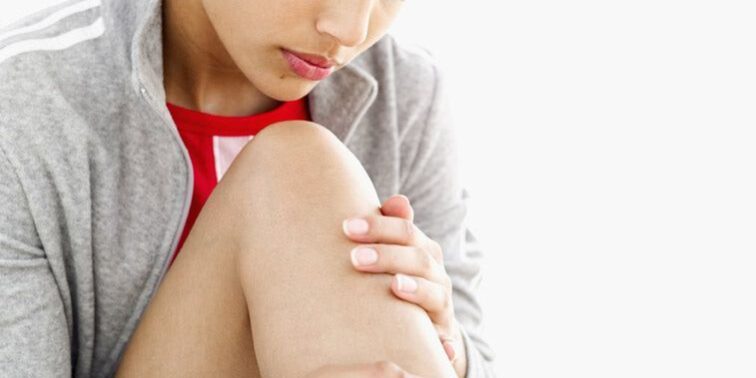
Knee pain affects women at higher rates than men, and the reasons often trace back to anatomy, hormones, and daily movement patterns. Understanding what causes knee pain in females can help you recognize warning signs early and choose the right care. Women may experience knee pain from their wider pelvis, muscle imbalances, overuse, sports injuries, arthritis, or medical conditions like gout or rheumatoid arthritis. This guide breaks down the common causes, symptoms, and treatment options in clear terms so you know when to manage pain at home and when to see a specialist.
Quick Answer Box
What causes knee pain in females? Knee pain in women often results from anatomical differences like a wider Q-angle, ligament laxity, and hormonal changes that affect joint stability. Common causes include patellofemoral pain syndrome, osteoarthritis, ACL injuries, meniscus tears, tendinitis, and overuse. Risk factors such as age, weight, and high-impact sports also play a role. Accurate diagnosis guides effective treatment.
Why Knee Pain Is More Common in Women
Women’s bodies are built differently, and those differences affect the knee. According to orthopedic specialists, several factors combine to raise the risk of knee pain in females.
- Wider pelvis: A broader pelvis changes the angle where the thigh bone meets the shin bone. This shifts load across the knee joint.
- Larger Q-angle: The Q-angle measures how the thigh lines up with the kneecap. Women tend to have a larger Q-angle, which can pull the kneecap off track.
- Ligament laxity: Women often have looser ligaments, which can reduce joint stability.
- Hormonal effects: Estrogen influences ligament strength and flexibility. Clinical research suggests hormone fluctuations across the menstrual cycle may affect knee stability.
- Muscle imbalance: Weaker hip and thigh muscles can let the knee rotate inward during movement.
- Biomechanics and sports: Higher participation in jumping and cutting sports adds repeated stress to the joint.
These factors do not guarantee pain. They simply explain why women face knee problems more often than men.
Most Common Causes of Knee Pain in Females
Knee pain has many sources. Below are the conditions orthopedic experts see most often in women.
Patellofemoral Pain Syndrome
Often called “runner’s knee,” this condition causes pain around or behind the kneecap.
- Symptoms: Aching during stairs, squatting, or sitting for long periods.
- Causes: Kneecap misalignment, overuse, or weak thigh muscles.
- Risk factors: Larger Q-angle, running, and muscle imbalance.
- Treatment: Physical therapy, activity changes, and strengthening. Learn more about runner’s knee.
Osteoarthritis
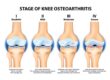
Osteoarthritis is the gradual wearing down of joint cartilage. The CDC notes that arthritis affects more women than men.
- Cartilage wear leads to bone-on-bone friction and stiffness.
- Age increases risk, especially after 50.
- Obesity adds extra load to the knee.
- Genetics can raise your likelihood of developing it.
Explore treatment for knee osteoarthritis.
ACL Injuries
The anterior cruciate ligament stabilizes the knee. Studies have found women tear their ACL more often than men, partly due to anatomy and landing mechanics.
- Sports: Common in soccer, basketball, and volleyball.
- Instability: The knee may feel like it “gives out.”
- Swelling: Rapid swelling often follows the injury.
- Diagnosis: Confirmed with a physical exam and MRI.
Read about ACL injury care.
Meniscus Tears
The meniscus is cartilage that cushions the knee. Tears happen from twisting movements or age-related wear. Symptoms include swelling, catching, and pain along the joint line. Learn more about meniscus injuries.
Tendinitis
Tendinitis is inflammation of the tendons that support the knee.
- Patellar tendonitis affects the tendon below the kneecap and is common in jumping sports.
- Quadriceps tendonitis affects the tendon above the kneecap.
Both respond well to rest and therapy. See knee tendinitis.
Bursitis
Bursae are small fluid sacs that cushion the knee. When they become inflamed, you may notice swelling, warmth, and tenderness, often from kneeling or repetitive pressure.
Iliotibial Band Syndrome
The IT band runs along the outer thigh. When it tightens, it rubs against the knee and causes outer knee pain. This is common in runners and cyclists.
Rheumatoid Arthritis
Rheumatoid arthritis is an autoimmune disease that attacks the joints. The American College of Rheumatology notes it affects women more often. It usually causes pain in both knees, along with stiffness and swelling.
Gout and Pseudogout
Both conditions cause sudden, intense knee pain from crystal buildup in the joint. Gout links to uric acid, while pseudogout links to calcium crystals. Attacks bring redness, warmth, and swelling.
Overuse Injuries
Repeated stress without enough recovery can inflame the knee. Common triggers include running, climbing stairs, deep squatting, and prolonged standing. Current evidence indicates that gradual training reduces this risk.
Risk Factors
Several factors raise the chance of knee pain in women:
- Age and natural cartilage wear
- Obesity, which increases joint load
- Pregnancy, which shifts posture and adds weight
- Menopause and lower estrogen levels
- Previous injuries to the knee
- Poor footwear that alters alignment
- Weak muscles in the hips and thighs
- High-impact sports with jumping and cutting
- Repetitive movement at work or in exercise
Symptoms That Shouldn’t Be Ignored
Some knee symptoms need prompt medical attention. Seek care if you notice:
- Sudden or severe swelling
- The knee locking or catching
- A feeling of instability or “giving out”
- Redness and warmth around the joint
- Inability to bear weight
- Intense, worsening pain
- Fever combined with knee pain
Fever with a hot, swollen knee can signal infection and needs urgent evaluation.
How Orthopedic Specialists Diagnose Knee Pain
An accurate diagnosis guides the right treatment. Orthopedic specialists typically follow a step-by-step process.
- Medical history: Your doctor reviews symptoms, activity level, and past injuries.
- Physical examination: The specialist checks range of motion, stability, and tender areas.
- X-rays: These reveal bone changes and arthritis.
- MRI: This shows soft tissue like ligaments, tendons, and cartilage.
- CT scan: Useful for detailed bone imaging.
- Ultrasound: Helps assess tendons and fluid.
- Blood tests: Ordered when infection, gout, or rheumatoid arthritis is suspected.
Medical guidelines recommend matching imaging to your specific symptoms rather than testing everything at once.
Treatment Options
Treatment depends on the cause and severity. Most knee pain improves with non-surgical care.
Conservative Care
Many women recover with simple, evidence-based steps:
- Rest, ice, compression, and elevation (RICE) for early relief
- Physical therapy to strengthen supporting muscles
- Activity modification to reduce strain
- Braces for added support
- Weight management to lower joint load
Medications
Over-the-counter options like acetaminophen or nonsteroidal anti-inflammatory drugs can ease pain and swelling. Always follow a physician’s guidance, since long-term use carries risks.
Injections
When conservative care is not enough, injections may help:
- Corticosteroid injections reduce inflammation.
- Hyaluronic acid injections add lubrication in osteoarthritis.
- Platelet-rich plasma (PRP) uses your own blood components and may support healing in select cases.
Your specialist will decide if these fit your condition.
Surgery
Surgery is considered when other treatments fail or the injury is severe.
- Arthroscopy is a minimally invasive repair for tears.
- ACL reconstruction rebuilds a torn ligament.
- Knee replacement replaces a badly damaged joint, often in advanced arthritis.
Orthopedic experts generally agree that surgery works best after non-surgical options have been explored.
Can Knee Pain Be Prevented?
Many cases of knee pain are preventable with steady habits.
- Strengthen your thigh, hip, and core muscles.
- Stretch regularly to maintain flexibility.
- Maintain a healthy weight to reduce joint stress.
- Wear proper footwear with good support.
- Increase training gradually to avoid overuse.
- Use injury prevention programs, especially for cutting sports.
Evidence shows neuromuscular training lowers ACL injury risk in female athletes.
When Should You See an Orthopedic Specialist?
See a specialist if your knee pain lasts more than a few weeks, worsens, limits daily activities, or comes with swelling, instability, or locking. Persistent pain deserves a proper evaluation rather than guesswork.
Dr. Hasan Syed MD is a board-certified orthopedic surgeon who evaluates knee pain and builds individualized treatment plans. He completed a Harvard Sports Medicine Fellowship, serves as an Active Fellow of the American Academy of Orthopaedic Surgeons, and is an Associate Professor at Loma Linda University. With offices in Chino, CA and Loma Linda, CA, his practice offers care for knee pain ranging from conservative treatment to surgery when needed.
Frequently Asked Questions
Why do women’s knees hurt more than men’s?
Women often have a wider pelvis, a larger Q-angle, and looser ligaments, which change how force moves through the knee. Hormonal effects and muscle imbalances add to the risk. According to orthopedic specialists, these anatomical differences make several knee conditions more common in women than in men.
Can hormones cause knee pain?
Yes. Estrogen affects ligament strength and joint flexibility. Clinical research suggests that hormone changes during the menstrual cycle, pregnancy, and menopause can influence knee stability. Lower estrogen levels may also contribute to cartilage changes, which is why some women notice more knee pain during hormonal shifts.
Is knee pain a sign of arthritis?
Sometimes. Knee pain with stiffness, swelling, and reduced motion can point to osteoarthritis or rheumatoid arthritis. However, many other conditions cause similar symptoms. Only a proper exam and imaging can confirm arthritis, so persistent or worsening pain should be evaluated by a qualified physician.
Can being overweight cause knee pain?
Yes. Extra body weight increases the load on your knees with every step. The CDC identifies excess weight as a major risk factor for osteoarthritis. Losing even a modest amount of weight can reduce joint stress, ease pain, and slow the progression of cartilage wear.
Does menopause affect the knees?
Menopause lowers estrogen levels, which can affect cartilage, ligaments, and joint comfort. Many women report increased knee stiffness and pain during this stage. Current evidence indicates that staying active, strengthening muscles, and maintaining a healthy weight can help protect the knees during and after menopause.
When is knee pain considered serious?
Knee pain is serious when you cannot bear weight, the joint locks, or you notice severe swelling, redness, or instability. Fever combined with a hot, swollen knee may signal infection. These symptoms need prompt medical care, so do not wait to schedule an evaluation.
Can knee pain go away without treatment?
Mild knee pain from minor strain often improves with rest, ice, and activity changes. However, pain that lasts more than a few weeks, returns often, or worsens usually needs evaluation. Ignoring ongoing symptoms can allow a treatable problem to progress into more serious joint damage.
Which doctor should I see for knee pain?
An orthopedic specialist is the right choice for persistent, severe, or worsening knee pain. These physicians diagnose and treat bone, joint, ligament, and cartilage conditions. They offer both non-surgical and surgical options, and they can build a treatment plan tailored to your specific cause and activity goals.
Conclusion
Knee pain in females often comes from a mix of anatomy, hormones, overuse, injuries, and conditions like arthritis or gout. Because the causes vary so widely, an accurate diagnosis is the key to lasting relief. Understanding what causes knee pain in females helps you act early and avoid unnecessary joint damage. If your knee pain is persistent or getting worse, schedule an evaluation with Dr. Hasan Syed MD for a personalized orthopedic care plan built around your needs.