Knee pain happens when something irritates or damages the structures that make up your knee joint, including bone, cartilage, ligaments, tendons, or the tissue around them. The most common causes are injuries, overuse, inflammation, arthritis, and age-related wear. In short, when people ask what causes knee pain, the honest answer is that many different problems can trigger it, and the right treatment depends on finding the true source.
Because the knee carries your body weight and moves constantly, it is one of the most frequently injured joints. If your discomfort is severe, persistent, or getting worse, a qualified orthopedic evaluation—such as the care offered at Hasan Syed MD—can help pinpoint the cause and guide safe, effective treatment. This guide explains the common causes of knee pain, symptoms to watch for, and when it makes sense to see a doctor.
What Causes Knee Pain?
Knee pain can result from a sudden injury, repeated stress, joint inflammation, or an underlying medical condition. Some causes are temporary and improve with rest. Others, like arthritis, are chronic and need ongoing management.
Knee pain generally falls into a few broad groups:
- Acute injuries — sprains, tears, and fractures from a fall, twist, or impact
- Overuse problems — irritation from repetitive movement or heavy activity
- Inflammatory conditions — arthritis, bursitis, and gout
- Mechanical or structural issues — problems with how the kneecap tracks or how the joint aligns
Understanding which group your symptoms fall into is the first step toward relief.
Common Causes of Knee Pain
Below are the most frequent reasons your knee may hurt. Some overlap, and more than one can occur at the same time.
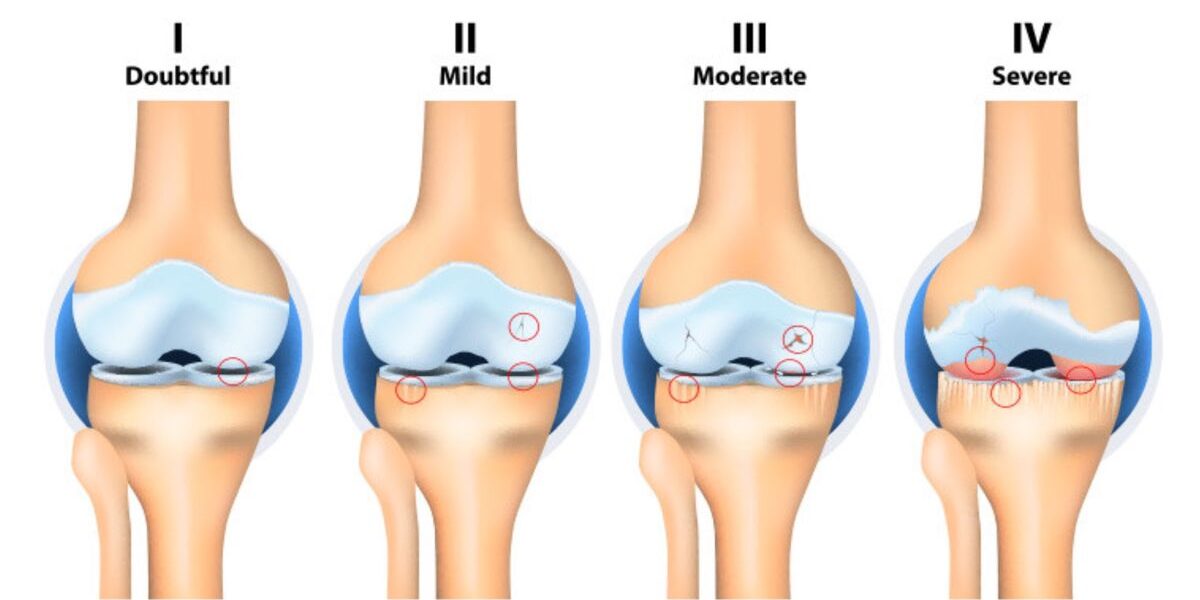
Osteoarthritis
Osteoarthritis is the most common type of arthritis and a leading cause of chronic knee pain, especially with age. The protective cartilage inside the joint gradually wears down, causing stiffness, aching, and reduced movement.
Rheumatoid Arthritis
This is an autoimmune condition in which the body attacks its own joint lining. It often affects both knees and can cause swelling, warmth, and morning stiffness.
Bursitis
Small fluid-filled sacs called bursae cushion the knee. When they become inflamed—often from kneeling or overuse—you may feel swelling and tenderness.
Tendinitis
Tendinitis is irritation of the tendons that connect muscle to bone. Runners, jumpers, and cyclists commonly develop pain near the front of the knee or below the kneecap.
Ligament Injuries
Ligaments stabilize the knee. A sudden twist or blow can sprain or tear one, such as the ACL. These injuries often cause immediate pain, swelling, and a feeling that the knee may give way.
Meniscus Injuries
The meniscus is cartilage that acts as a shock absorber. A twisting motion can tear it, leading to pain, swelling, catching, or locking of the joint.
Muscle or Tendon Strains
Overstretching the muscles or tendons around the knee can cause soreness, tightness, and limited movement. Strains often heal with rest and gradual recovery.
Patellofemoral Pain
Often called “runner’s knee,” this is pain around or behind the kneecap. It usually comes from overuse, muscle imbalance, or the kneecap not tracking smoothly.
Gout and Other Inflammatory Conditions
Gout occurs when uric acid crystals build up in a joint, triggering sudden, intense pain, redness, and swelling. Other inflammatory conditions can produce similar symptoms.
Overuse and Repetitive Stress
Repeated activities—running, squatting, or climbing stairs—can gradually irritate the joint and surrounding tissues, leading to persistent discomfort.
Can Knee Pain Occur Without an Injury?
Yes. Knee pain without injury is common and often develops slowly rather than after a single event. When people wonder why does my knee hurt even though nothing happened, the cause is usually gradual rather than sudden.
Common reasons for knee pain without injury include:
- Age-related changes, as cartilage naturally thins over time
- Osteoarthritis, which builds up quietly over years
- Overuse from daily habits or repetitive exercise
- Inflammation from conditions like rheumatoid arthritis or gout
- Biomechanical factors, such as flat feet, muscle weakness, or poor alignment that place extra stress on the joint
Because these causes differ, an accurate diagnosis matters more than guessing.
Knee Pain Based on Location
Where your knee hurts can offer clues about the cause. Location alone cannot confirm a diagnosis, but it helps guide evaluation.
- Front of the knee: Often linked to patellofemoral pain, tendinitis, or kneecap-related issues.
- Behind the knee: May involve a fluid-filled swelling (Baker’s cyst), a hamstring strain, or a meniscus problem.
- Inside of the knee: Frequently connected to the medial meniscus, ligament strain, or osteoarthritis.
- Outside of the knee: Common in runners and may point to iliotibial (IT) band irritation or a lateral meniscus injury.
- Around the kneecap: Suggests patellofemoral pain, tendinitis, or cartilage wear beneath the kneecap.
Symptoms That May Accompany Knee Pain
Knee pain rarely appears alone. Paying attention to other symptoms helps a clinician understand what is happening inside the joint.
Watch for:
- Swelling that develops quickly or lingers
- Stiffness, especially in the morning or after sitting
- Redness or warmth, which can signal inflammation or infection
- Clicking or popping during movement
- Weakness in the leg
- Limited movement or trouble fully bending or straightening the knee
- Difficulty walking or bearing weight
- Knee instability, or a sense that the joint may buckle
These symptoms do not confirm a specific condition, but together they help direct testing and treatment.
When Should You See a Doctor for Knee Pain?
Mild knee pain often improves with rest and self-care. However, some warning signs call for prompt medical attention.
Seek professional evaluation if you experience:
- Severe or persistent pain that does not ease
- Significant swelling in or around the joint
- Inability to bear weight on the leg
- A visibly deformed joint
- Fever with a hot, swollen knee, which may indicate infection
- Sudden loss of movement or a locked knee
- Symptoms that do not improve with reasonable rest and home care
When in doubt, a timely check-up is the safe choice.
How Is the Cause of Knee Pain Diagnosed?
A healthcare professional uses several steps to identify the source of pain. The process is thorough because the knee has many working parts.
Diagnosis may include:
- Medical history to understand your symptoms, activity, and any past injuries
- Physical examination to check for tenderness, swelling, and stability
- Range-of-motion assessment to see how well the knee bends and straightens
- X-rays to view bone alignment and signs of arthritis
- MRI or other imaging when soft-tissue injuries like tears are suspected
- Laboratory tests to check for gout, infection, or inflammatory conditions
These tools together give a clear, reliable picture of what is causing the pain.
How Is Knee Pain Treated?
Treatment depends entirely on the underlying cause. No single approach works for everyone, and a plan that helps one person may not suit another.
Common options a clinician may consider include:
- Rest and activity modification to reduce strain on the joint
- Ice or other symptom-relief measures to ease swelling and discomfort
- Physical therapy to restore movement and function
- Strengthening and mobility exercises to support and stabilize the knee
- Medications when medically appropriate for pain or inflammation
- Bracing or supportive devices to protect the joint
- Injections or procedures in selected cases
- Surgery for certain structural or severe conditions, such as significant tears or advanced arthritis
Because each cause is different, individualized medical advice is the best way to choose the right treatment.
Frequently Asked Questions
What is the most common cause of knee pain?
Osteoarthritis is one of the most common causes, especially in adults over 50, as joint cartilage gradually wears down.
What causes knee pain without injury?
Gradual knee pain often comes from arthritis, overuse, inflammation, age-related changes, or alignment issues rather than a single injury.
How do I know if my knee pain is serious?
Pain with severe swelling, fever, an inability to bear weight, a locked joint, or a visible deformity should be evaluated promptly.
Why does my knee hurt when I walk?
Pain while walking can point to arthritis, patellofemoral pain, meniscus problems, or overuse. A physical exam helps identify the cause.
Can knee pain go away on its own?
Mild pain from minor strains or overuse often improves with rest and self-care. Persistent or worsening pain should be checked by a professional.
When should I see a doctor for knee pain?
See a doctor for severe, lasting, or worsening pain, significant swelling, instability, or symptoms that do not improve with home care.
Take the Next Step
If your knee pain lingers, keeps returning, or interferes with daily life, do not simply wait it out. Track your symptoms, note what makes them better or worse, and discuss ongoing knee joint pain with a qualified healthcare professional. Getting an accurate diagnosis early often leads to simpler, more effective treatment.
Conclusion
Knee pain has many possible causes, ranging from temporary overuse and minor strains to arthritis, inflammation, and structural injuries. Because the source shapes the solution, identifying the true cause is the key to choosing the right treatment and protecting your long-term mobility. If you are dealing with chronic knee pain or unexplained symptoms, an expert evaluation from a trusted provider like Hasan Syed MD can help you move forward with confidence.
Medical Disclaimer: This article is for general informational purposes only and is not a substitute for professional medical advice, diagnosis, or treatment. Always consult a qualified healthcare provider about your specific symptoms or medical conditions.