
Your body holds more than 600 muscles, but one stands out for its sheer size. When people ask which muscle is the biggest, the answer is surprisingly consistent across anatomy textbooks and clinical references. Understanding this muscle can help you appreciate how your body moves, stands, and stays balanced every single day.
Knowing the basics of muscle anatomy also helps you make smarter choices about movement and when to seek help. For deeper, physician-reviewed health insights, resources like Hasan Syed MD can be a helpful starting point when you want trustworthy medical context.
What Is the Largest Muscle in the Human Body?
The gluteus maximus is generally recognized as the largest skeletal muscle in the human body by overall bulk and mass. It’s the muscle that forms most of the shape of your buttocks.
This muscle is large because of the demanding job it performs. It supports your body against gravity, powers big movements, and helps keep you upright. Few other muscles handle so many essential tasks at once, which is why it developed such a substantial size in humans.
Where Is the Gluteus Maximus Located?
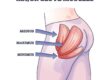
The gluteus maximus sits at the back of your hip, forming the bulk of your buttock region. It’s the most superficial of the three gluteal muscles, meaning it lies closest to the skin.
The muscle attaches to several key structures, giving it strong anchor points for movement:
- The back portion of the pelvic bone (the ilium)
- The sacrum and tailbone (coccyx) region
- A thick band of connective tissue along the outer thigh (the iliotibial band)
- The upper part of the thigh bone (femur)
Because it stretches across the hip joint, the gluteus maximus is perfectly positioned to control how your hip moves and how your trunk stays balanced over your legs.
What Does the Gluteus Maximus Do?
The gluteus maximus mainly extends and externally rotates the hip, while helping stabilize your body during upright movement. In simple terms, it powers the actions that push your body forward and upward.
Here are its major functions:
- Hip extension: Moving your thigh backward, as when you push off the ground while walking or running.
- External rotation: Turning your thigh outward.
- Posture support: Helping keep your trunk upright over your hips.
- Powering everyday movement: Standing up from a chair, climbing stairs, and rising from a squat.
- Athletic movement: Supporting running, jumping, and explosive pushing motions.
Think of this muscle as your body’s built-in engine for standing and forward motion. Every time you climb a staircase or stand up from sitting, it does much of the heavy lifting.
Why Is the Gluteus Maximus So Large?
The gluteus maximus is large mainly because humans walk and stand upright on two legs. Our unique posture places heavy demands on the hip, and this muscle evolved to meet them.
Compared with many other animals, humans rely heavily on this muscle for balance and endurance. It helps prevent your upper body from pitching forward when you run or walk. It also contributes to the stability that lets you stand for long periods without tipping over.
In short, its size reflects its responsibility. Big, repeated, weight-bearing jobs require a strong, sizable muscle to handle them safely.
Is the Gluteus Maximus the Strongest Muscle?
Not necessarily. The largest muscle and the strongest muscle are not the same thing, and “strength” can be measured in different ways. This is one of the most common misconceptions in muscle anatomy.
Size refers to mass and volume, while strength depends on how force is measured. Different muscles claim the “strongest” title depending on the definition:
- The masseter (jaw muscle) is often called the strongest based on force relative to its size.
- The soleus (calf muscle) generates powerful force to keep you standing against gravity.
- The gluteus maximus produces enormous force during hip extension and large movements.
- The heart and the uterus are sometimes mentioned, though comparing them to skeletal muscles isn’t straightforward.
So the gluteus maximus wins the “largest” title by mass, but “strongest” depends entirely on how you define and measure strength.
What Are the Other Gluteal Muscles?
Your gluteal group includes three muscles: the gluteus maximus, gluteus medius, and gluteus minimus. They work together but have distinct roles.
- Gluteus maximus: The largest and most superficial. It handles power and hip extension.
- Gluteus medius: Sits partly beneath the maximus. It stabilizes your pelvis and helps you stay level when standing on one leg.
- Gluteus minimus: The smallest and deepest. It assists the medius with hip stability and rotation.
Picture them as a coordinated team. The maximus supplies power, while the medius and minimus fine-tune balance and keep your pelvis steady when you walk. Weakness in any one of them can affect how the whole group performs.
What Happens When the Gluteus Maximus Is Weak?
When the gluteus maximus is weak, other muscles may compensate, which can affect posture, movement quality, and comfort. Weak glutes are common, especially with prolonged sitting.
General signs that some people notice may include:
- Difficulty rising from a low seat without using the hands
- Feeling less powerful during climbing, running, or jumping
- A tendency to rely more on the lower back or thighs during movement
- Reduced stability when standing on one leg
These observations are general and non-diagnostic. Many everyday factors can influence how your muscles feel and perform, so it’s important not to draw firm conclusions on your own. If movement problems persist or interfere with daily life, a qualified professional can offer proper evaluation.
How Can You Keep Your Gluteal Muscles Healthy?
Regular movement, balanced activity, and avoiding long periods of inactivity generally support gluteal muscle health. These are broad wellness principles rather than personalized medical advice.
Practical habits that many people find helpful include:
- Moving regularly: Breaking up long stretches of sitting with standing or walking.
- Staying active: Including activities that involve the hips, such as walking, climbing stairs, or gentle strengthening exercises.
- Working on mobility: Keeping the hips flexible through a comfortable range of motion.
- Progressing gradually: Increasing activity slowly rather than overloading suddenly.
- Listening to your body: Respecting pain and fatigue rather than pushing through them.
Everyone’s body is different, so what works well for one person may not suit another. If you have existing health conditions or concerns, consult a professional before starting a new exercise routine.
When Should You See a Doctor About Gluteal Pain?
You should consider professional evaluation when gluteal pain is severe, persistent, worsening, or paired with concerning symptoms. Occasional soreness after activity is common, but some situations deserve closer attention.
It may be wise to seek medical guidance if you experience:
- Pain that doesn’t improve with rest or lingers over time
- Numbness, tingling, or weakness spreading into the leg
- Pain following a fall, injury, or accident
- Swelling, redness, or warmth in the area
- Difficulty walking, standing, or bearing weight
A licensed clinician can assess your specific situation, rule out serious causes, and recommend an appropriate path forward. Self-diagnosis can be misleading, so accurate, professional input matters.
Medical Disclaimer: This article is for general educational purposes only and is not a substitute for professional medical advice, diagnosis, or treatment. Always consult a qualified healthcare provider with questions about your health or any medical condition.
Frequently Asked Questions
What is the largest muscle in the human body?
The gluteus maximus, which forms most of the buttock, is generally recognized as the largest skeletal muscle by mass.
Is the gluteus maximus the strongest muscle?
Not necessarily. Strength depends on how it’s measured, and muscles like the masseter and soleus are often cited as strongest by different standards.
Where is the gluteus maximus located?
It’s located at the back of the hip and forms the outer, most visible layer of the gluteal muscles.
What are the three gluteal muscles?
The gluteus maximus, gluteus medius, and gluteus minimus, which work together for movement and stability.
Can weak glutes affect posture?
They may influence how you move and stand, as other muscles can compensate. A professional can evaluate persistent concerns.
Learn More With Trusted Guidance
Your body’s largest muscle plays a quiet but vital role every time you stand, walk, or climb. Understanding it is a step toward moving with more confidence and awareness.
If you’d like reliable, physician-reviewed information about muscle health, movement, and related concerns, explore the resources available at Hasan Syed MD. And if gluteal pain or weakness is affecting your daily life, don’t wait—reach out to a qualified healthcare professional for guidance tailored to you.