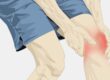
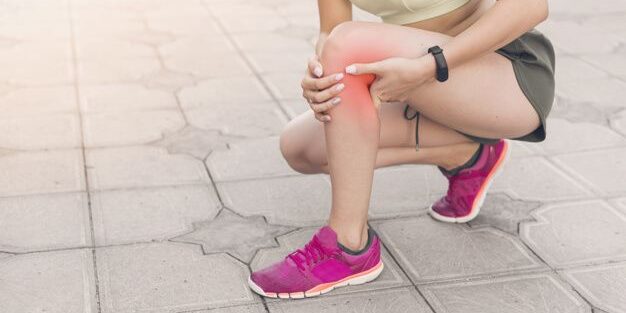
Knee pain in women can come from many different sources. The most common causes include injuries, overuse, patellofemoral (kneecap) problems, osteoarthritis, muscle weakness or imbalance, body mechanics, previous injuries, and increased joint stress. Life-stage changes like pregnancy and menopause can also play a role. The important thing to understand is that the cause varies from person to person—it is not always due to hormones or gender alone.
If your knee pain is persistent, severe, or affecting daily life, a proper evaluation matters. Working with an experienced orthopedic and knee care specialist can help identify what’s actually going on so you can find the right path forward. This guide explains the main causes, warning signs, and practical steps to protect your knees.
Quick Answer: The Key Takeaway
Female knee pain usually stems from mechanical, structural, or activity-related factors rather than one single cause. Common culprits include kneecap tracking problems, arthritis, ligament or cartilage injuries, tendon irritation, and weak or unbalanced muscles. Some women also notice changes tied to their menstrual cycle, pregnancy, or menopause. Only a healthcare professional can pinpoint your specific cause.
Common Causes of Knee Pain in Females
The knee is a complex joint that carries your body weight and absorbs stress with every step. Several conditions frequently cause discomfort.
Patellofemoral Pain Syndrome
Often called “runner’s knee,” patellofemoral pain syndrome causes aching around or behind the kneecap. It’s especially common in women and tends to flare when climbing stairs, squatting, or sitting for long periods. Differences in hip and pelvis structure can affect how the kneecap tracks in its groove, which may contribute.
Osteoarthritis
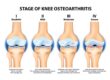
Osteoarthritis is a “wear-and-tear” condition where the smooth cartilage cushioning the joint gradually breaks down. It causes stiffness, swelling, and pain that often worsens with activity. Research suggests women are more likely to develop knee osteoarthritis than men, particularly after middle age.
ACL and Other Knee Injuries
The anterior cruciate ligament (ACL) helps stabilize the knee. Studies consistently show women have a higher risk of ACL injuries during sports involving jumping, pivoting, or sudden stops. Differences in muscle strength, landing mechanics, and anatomy are thought to contribute.
Meniscus Injuries
The meniscus is a piece of cartilage that acts as a shock absorber. A twist or awkward movement can tear it, leading to pain, swelling, and sometimes a locking or catching sensation. Meniscus wear can also happen gradually with age.
Tendinitis and Bursitis
- Tendinitis is irritation of the tendons around the knee, often from repetitive activity.
- Bursitis is inflammation of the small fluid-filled sacs that cushion the joint.
Both can cause localized pain, tenderness, and sometimes swelling.
How Injuries and Physical Activity Contribute
Movement patterns and physical demands play a major role in knee health.
- Overuse and repetitive activity: Running, jumping, or repeated bending can strain the joint over time.
- Muscle weakness or imbalance: Weak hip, thigh, or core muscles reduce support, forcing the knee to absorb more stress.
- Poor alignment and movement mechanics: How you walk, run, or land affects the load on your knee. Faulty mechanics can gradually cause irritation.
- Previous injuries: An old sprain or tear can leave the joint less stable and more prone to future problems.
- Increased joint stress: Extra load—from activity levels or added weight—raises the demand on the knee.
Hormonal and Life-Stage Factors
Hormones and life stages can influence knee comfort, but they’re rarely the whole story.
Why Knee Pain May Occur Around Menstruation
Some women notice more joint discomfort before or during their period. Fluctuating estrogen levels may affect ligament flexibility and pain sensitivity. Fluid retention can also cause a temporary feeling of swelling or stiffness. This doesn’t mean your period is the direct cause of a knee problem—it may simply make existing discomfort more noticeable.
Knee Pain During Pregnancy
Pregnancy brings weight gain, posture changes, and a hormone called relaxin that loosens ligaments to prepare the body for birth. Together these can increase joint stress and lead to knee aches. Discomfort often eases after delivery, but persistent pain deserves a check-up.
Knee Pain During Perimenopause and Menopause
Declining estrogen around menopause may affect cartilage, bone density, and how the body manages inflammation. Many women report new or increased joint stiffness during this time. Because osteoarthritis also becomes more common with age, symptoms during menopause may reflect several overlapping factors.
Inflammatory and Other Medical Conditions
Not all knee pain is mechanical. Some conditions require specific medical attention:
- Inflammatory or autoimmune conditions such as rheumatoid arthritis, which can cause swelling in multiple joints.
- Gout or other crystal-related conditions.
- Infections in or around the joint.
- Referred pain from the hip or lower back.
These often need proper testing to diagnose accurately.
Symptoms That May Indicate a Specific Problem
Different symptoms can point toward different issues:
- Grinding or stiffness with stairs: may suggest kneecap or cartilage involvement.
- Locking or catching: can indicate a meniscus problem.
- Instability or “giving way”: may point to ligament issues.
- Warmth, redness, and swelling in several joints: could signal an inflammatory condition.
Symptoms alone can’t confirm a diagnosis, so treat these as clues rather than answers.
When Knee Pain Requires Medical Attention
Seek prompt or urgent medical care if you experience:
- Severe pain after an injury
- Inability to bear weight on the leg
- Sudden or significant swelling
- A visible deformity in the knee
- A hot, red knee accompanied by fever
- Numbness, tingling, or the joint “giving out”
You should also see a professional if pain lasts more than a couple of weeks, keeps returning, or interferes with sleep and daily activities.
How Doctors Diagnose the Cause
Finding the true cause usually involves several steps:
- Medical history: questions about your symptoms, activity, and past injuries.
- Physical exam: checking movement, stability, swelling, and tender spots.
- Imaging: X-rays to view bone and joint space, or MRI to see ligaments, cartilage, and soft tissue.
- Lab tests: blood work or fluid analysis when an inflammatory or infectious cause is suspected.
A thorough evaluation helps distinguish everyday overuse from conditions that need targeted treatment.
Treatment and Management Options
Treatment depends entirely on the underlying cause, but common approaches include:
- Rest and activity changes to reduce strain
- Ice and elevation for swelling
- Physical therapy to strengthen supporting muscles and improve mechanics
- Supportive footwear or bracing where appropriate
- Medications for pain or inflammation, as guided by a professional
- Weight management to lower joint stress
- Procedures or surgery for certain injuries or advanced arthritis
Always confirm the right plan with a qualified provider rather than self-treating a persistent problem.
Prevention and Ways to Support Healthy Knees
You can lower your risk with a few consistent habits:
- Strengthen your hips, thighs, and core
- Warm up before exercise and progress gradually
- Practice good landing and squatting form
- Maintain a healthy weight
- Choose supportive shoes
- Balance high-impact activity with low-impact options like swimming or cycling
Frequently Asked Questions
What causes knee pain in females?
Common causes include patellofemoral pain, osteoarthritis, ligament and cartilage injuries, tendinitis, bursitis, overuse, weak muscles, and poor alignment. Life-stage changes may also contribute.
Is knee pain more common in women?
Research suggests women have higher rates of certain issues, including patellofemoral pain, ACL injuries, and knee osteoarthritis, partly due to anatomical and mechanical differences.
Can hormones cause knee pain?
Hormones can influence ligament flexibility, inflammation, and pain sensitivity, but they’re rarely the sole cause. Most knee pain has mechanical or structural roots too.
Why do my knees hurt before or during my period?
Hormonal shifts and fluid retention can increase joint sensitivity and stiffness, making existing discomfort more noticeable during your cycle.
Why do women’s knees hurt after menopause?
Lower estrogen may affect cartilage and inflammation, and osteoarthritis becomes more common with age. Several factors often overlap.
Can weak muscles cause knee pain?
Yes. Weak or imbalanced hip and thigh muscles reduce support, placing extra stress on the knee and increasing the risk of pain.
When should a woman see a doctor for knee pain?
See a doctor for severe pain after injury, inability to bear weight, sudden swelling, deformity, a hot red knee with fever, or pain lasting more than two weeks.
How is the cause diagnosed?
Through medical history, a physical exam, imaging like X-rays or MRI, and lab tests when needed.
What can help relieve knee pain?
Rest, ice, physical therapy, strengthening, weight management, and professional treatment tailored to your diagnosis.
Conclusion
Knee pain in women can have many causes, from everyday overuse and muscle weakness to arthritis, injuries, and life-stage changes. Because symptoms overlap, the right diagnosis depends on a careful evaluation rather than guesswork—and the sooner you understand the cause, the better your chances of lasting relief.
If your knee pain is persistent, worsening, or interfering with your daily life, don’t wait it out. Connect with a trusted knee and orthopedic care team for a personalized assessment and evidence-based treatment plan. Your knees carry you through life—give them the expert attention they deserve.