
Knee pain doesn’t always start with a fall, a twist, or a hard hit on the field. Sometimes it shows up quietly. You stand up after sitting for a while, climb a flight of stairs, or take your usual walk, and suddenly your knee aches for no reason you can name. If you’ve been wondering why does my knee hurt without injury, you’re not alone. Gradual or unexplained knee pain is common, and it often points to something worth understanding rather than ignoring.
Quick Answer: What Can Cause Knee Pain Without Injury?
Knee pain without injury can come from osteoarthritis, overuse, bursitis, tendinitis, patellofemoral pain syndrome, gout, rheumatoid arthritis, or infection. These conditions develop gradually or without obvious trauma. No injury doesn’t mean no problem, so persistent, worsening, or concerning symptoms deserve evaluation by an orthopedic professional.
Common Causes of Knee Pain Without an Injury
Several conditions can trigger knee pain even when you never hurt yourself. Here are the most common causes of knee pain without injury.
Osteoarthritis
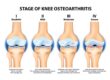
Osteoarthritis is one of the leading reasons for arthritis knee pain. It happens when the smooth cartilage that cushions the joint gradually wears down, leaving bones with less protection during movement.
Common symptoms: stiffness after sitting, aching during or after activity, mild swelling, and a grinding sensation.
This kind of knee pain that comes and goes often feels worse when you first stand up or climb stairs, then eases as you move. Getting older doesn’t automatically mean you have arthritis, but ongoing stiffness and discomfort are worth checking. You can read more about the stiff knee symptoms that often accompany arthritis to see how these signs present.
Overuse and Repetitive Stress
Knee pain from overuse develops when you ask more of your knees than they’re used to. A sudden jump in walking, running, cycling, physical work, or a new workout routine can irritate the tissues around the joint.
Common symptoms: aching after activity, tenderness, and pain that improves with rest.
You didn’t hurt the knee in one moment, but repeated stress added up. This is one reason sudden knee pain without injury shows up after a busy week or a new fitness goal.
Knee Bursitis
Bursae are small, fluid-filled sacs that reduce friction between bones, tendons, and skin around the joint. Knee bursitis is inflammation of these sacs, often from repeated pressure or kneeling.
Common symptoms: tenderness, swelling, warmth, and pain over a specific spot.
People who kneel often, such as gardeners, cleaners, and floor workers, are more prone to this. The discomfort usually sits close to the surface rather than deep inside the joint.
Tendinitis
Knee tendinitis is irritation of the tendons that connect muscle to bone around the knee. Repetitive loading, like jumping or frequent stair climbing, can inflame these tendons over time.
Common symptoms: pain during activity, localized tenderness, and stiffness after rest.
Not every ache is tendinitis, but pain that flares with movement and settles down with rest is a familiar pattern.
Patellofemoral Pain Syndrome
Patellofemoral pain syndrome causes pain around or behind the kneecap. It’s sometimes called “runner’s knee,” though you don’t have to run to develop it.
Common symptoms: pain when squatting, climbing stairs, running, or sitting for long stretches with bent knees.
Standing up after a long movie or car ride can bring on that dull ache behind the kneecap. If your discomfort worsens when you flex the joint, our guide on why your knee may hurt when you bend it offers helpful context.
Gout and Other Inflammatory Conditions
Gout happens when uric acid crystals build up in a joint, triggering sudden, intense pain and swelling. Pseudogout works similarly with different crystals. Rheumatoid arthritis is an autoimmune condition where the body’s immune system attacks the joint lining.
Common symptoms: rapid onset of pain, redness, warmth, and swelling, sometimes without any trauma.
These inflammatory conditions can affect the knee out of nowhere, which is another answer to why does my knee hurt without injury.
Infection and Other Less Common Causes
An infection inside the joint can cause significant knee pain without any preceding injury. This is less common but serious.
Warning signs: a hot, swollen, very painful knee along with fever or feeling generally unwell.
If you notice these symptoms together, seek prompt medical care. Referred pain from the hip or lower back can also show up in the knee, which is why a full evaluation matters.
Why Does My Knee Suddenly Hurt If I Didn’t Injure It?
“No injury” doesn’t mean “no cause.” Your knee may hurt because something was already developing beneath the surface.
Possible explanations include:
- A gradual condition finally becoming noticeable
- Repetitive stress from daily activity
- A recent increase in exercise or physical work
- Inflammation from an underlying condition
- Early joint changes such as arthritis
- A minor issue you didn’t notice at first
The takeaway is simple: unexplained knee pain has real reasons behind it, even when you can’t recall a specific moment it started. Only an in-person evaluation can identify the actual cause.
When Should You See a Doctor About Knee Pain?
Some knee aches settle down on their own. Others signal that it’s time for professional care. Knowing when to see a doctor for knee pain helps you act with confidence rather than worry.
Consider an orthopedic evaluation when knee pain:
- Persists or keeps returning
- Interferes with sleep or normal activities
- Makes walking difficult
- Comes with significant swelling
- Causes instability or the knee giving way
- Locks or prevents you from fully bending or straightening
- Occurs with redness, warmth, or fever
Seek prompt medical attention for severe pain, an inability to bear weight, major swelling, visible deformity, or signs that suggest infection. For a broader overview of symptoms and treatment options, our knee pain resource explains what to watch for.
How Is Knee Pain Without Injury Diagnosed?
A thorough orthopedic evaluation looks at the whole picture rather than jumping to conclusions. Diagnosis usually starts with a conversation and a hands-on exam.
An assessment may include:
- Medical history to understand your health background
- Symptom details such as where it hurts and when it flares
- Physical examination of the knee
- Movement and stability checks to see how the joint functions
- Imaging or lab tests when clinically appropriate
Not everyone needs an X-ray or MRI. The right approach depends on your symptoms and the suspected cause. Knee pain when walking, for example, may call for a different workup than sudden swelling with warmth.
What Can You Do for Mild Knee Pain at Home?
For mild, short-term discomfort without warning signs, a few general steps may help while you monitor how you feel.
- Temporarily ease off activities that make the pain worse
- Stay active with gentle, low-impact movement like swimming or cycling
- Apply a cold pack when appropriate for pain or swelling
- Keep up healthy, regular activity to support the joint
- Wear supportive, well-fitting footwear
- Follow the advice of a qualified medical professional
These measures support comfort but won’t cure an underlying condition. If your symptoms include stiffness that lingers, our page on managing a stiff knee shares practical guidance. And if bending brings pain, learn more about knee pain when bending and how it’s cared for.
If you’re dealing with persistent or unexplained knee pain, you don’t have to guess about the cause. The team at Hasan Syed MD offers patient-focused orthopedic evaluation to help you understand your symptoms and find a path forward. Reach out to schedule a visit and get answers you can trust.
Frequently Asked Questions
Can you have knee pain without an injury?
Yes. Knee pain without injury is common and can result from arthritis, overuse, bursitis, tendinitis, or inflammatory conditions like gout. Pain that develops gradually or appears suddenly without trauma still has a cause, so persistent symptoms deserve a professional look.
What is the most common cause of knee pain without injury?
Osteoarthritis is among the most common causes, especially in adults. It develops as joint cartilage wears down over time, leading to stiffness, aching, and swelling. Overuse and patellofemoral pain syndrome are also frequent culprits, particularly with increased activity.
Can arthritis cause knee pain without an injury?
Yes. Arthritis knee pain often appears without any injury. Osteoarthritis develops slowly as cartilage breaks down, while rheumatoid arthritis is an autoimmune condition. Both can cause pain, stiffness, and swelling that build up gradually rather than starting from a single event.
Can overuse cause knee pain even if I did not hurt my knee?
Absolutely. Knee pain from overuse builds up when repetitive activity like walking, running, or kneeling stresses the joint over time. You never suffered one clear injury, but the accumulated strain can irritate tendons, bursae, and surrounding tissues.
When should I see a doctor for knee pain?
See a doctor when knee pain persists, worsens, limits walking, causes swelling or instability, or comes with redness, warmth, or fever. Severe pain, an inability to bear weight, or signs of infection call for prompt medical care.
Why does my knee suddenly hurt for no reason?
Sudden knee pain without injury usually has a hidden cause, such as an early arthritic change, inflammation, gout, or repetitive stress that finally became noticeable. Only an in-person exam can pinpoint the specific reason behind your symptoms.
Can knee pain go away on its own?
Mild knee pain from minor overuse sometimes eases with rest and gentle care. However, pain that keeps returning, worsens, or interferes with daily life should be evaluated, since some underlying conditions need proper treatment to improve.
Conclusion
Knee pain can develop without a memorable injury, and the reasons range from osteoarthritis and overuse to bursitis, tendinitis, patellofemoral pain syndrome, gout, and other inflammatory conditions. The key point is this: no injury doesn’t mean no problem. When symptoms are persistent, severe, recurrent, or paired with warning signs, they deserve professional attention rather than being brushed off.
Understanding what can cause knee pain without injury helps you make informed choices about your health. If your knee has been bothering you during everyday moments, an orthopedic evaluation can bring clarity and a plan tailored to you.