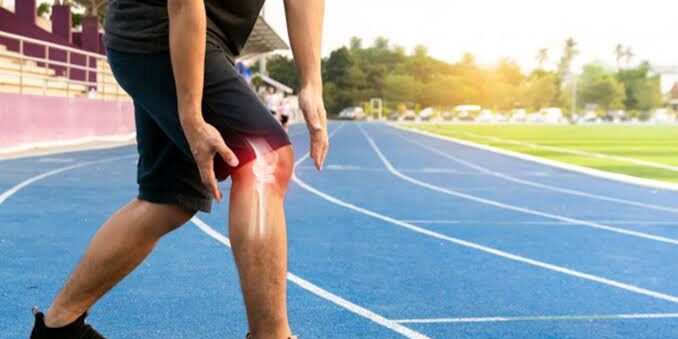
Getting hurt during sport is frustrating, but what you do next shapes how well you heal. Sports injury rehabilitation is the structured process that rebuilds strength, movement, and confidence after an injury. As an orthopedic surgeon who treats athletes every week, I can tell you that good rehab does more than fix pain. It restores function, protects you from re-injury, and gets you back to activity safely. Rushing this process is one of the most common mistakes I see, and it often costs people more time in the long run.
What Is Sports Injury Rehabilitation?
Sports injury rehabilitation is a guided recovery program that helps you regain strength, mobility, and function after an athletic injury. It combines physical therapy, targeted exercises, and pain management to heal tissue safely and prevent future problems. The goal is a full, confident return to your sport.
Rehab is not one fixed formula. Every plan I build depends on the person in front of me. A weekend runner with a mild ankle sprain needs a very different path than a competitive athlete recovering from ACL surgery. That individualized approach matters, because generic programs often miss the details that lead to lasting recovery.
Common Sports Injuries That Require Rehabilitation
Over the years, I’ve treated thousands of injuries. Some show up in my clinic almost daily. Here are the ones that most often need structured orthopedic rehabilitation:
- ACL tears – Often happen from sudden stops or pivots. Patients feel a “pop,” then swelling and instability. ACL rehabilitation is one of the most demanding programs we build.
- Meniscus injuries – Cause knee pain, catching, or locking. Some heal without surgery; others need repair.
- Rotator cuff injuries – Common in throwing and overhead sports. Shoulder rehabilitation focuses on restoring smooth, pain-free motion.
- Shoulder dislocations and instability – The shoulder slips out of place, sometimes repeatedly. Strengthening the surrounding muscles is key.
- Achilles tendon injuries – From partial strains to full ruptures. Recovery takes patience.
- Ankle sprains – The most frequent injury I see. Skipping rehab here leads to chronic instability.
- Muscle strains – Hamstrings and calves top the list. Gradual loading prevents reinjury.
- Stress fractures – Small cracks from overuse, common in runners. Rest and controlled return are essential.
I also treat plenty of tennis elbow, golfer’s elbow, and runner’s knee. These overuse injuries respond well to targeted rehab when caught early.
Stages of Sports Injury Rehabilitation
Recovery follows clear phases. Moving through them in order protects healing tissue and builds a strong foundation for your return.
Phase 1: Pain and swelling control. Right after injury, we calm inflammation using rest, ice, compression, and gentle movement. This sets the stage for everything else.
Phase 2: Restore range of motion. Once pain settles, we work on getting your joint moving again. Stiffness left untreated becomes a lasting problem.
Phase 3: Strength rebuilding. Now we add resistance. Strength training rebuilds the muscles that support your injured area and protect it going forward.
Phase 4: Functional training. Here we mimic the movements of your sport. Jumping, cutting, throwing, and sprinting return in controlled steps.
Phase 5: Return-to-sport progression. The final stage tests whether your body is truly ready. We measure strength, balance, and confidence before clearing you for full activity.
Each phase has to be earned, not rushed. I’ve seen athletes reinjure themselves by skipping ahead, and that setback hurts more than the original injury.
How Physical Therapy Supports Recovery
Physical therapy after sports injury is the engine behind most recovery plans. A skilled therapist guides your progress and adjusts as your body responds. The American Physical Therapy Association (APTA) highlights how personalized therapy improves outcomes and lowers reinjury risk.
Your therapy program may include:
- Manual therapy – Hands-on techniques to ease stiffness and improve motion.
- Stretching – Restores flexibility and reduces tightness.
- Strengthening – Rebuilds muscle around the injured joint.
- Balance training – Retrains stability, especially after knee and ankle injuries.
- Neuromuscular training – Sharpens the connection between your brain and muscles for better control.
- Functional exercises – Prepare you for the specific demands of your sport.
For deeper support, our Physical Therapy team works closely with each patient through every stage of athletic recovery.
Recovery Timeline by Injury Type
Healing timelines vary based on injury type, severity, and whether surgery is involved. The table below gives realistic estimates I share with patients, though every case is different.
| Injury | Typical Recovery | Rehabilitation Focus | Return to Activity |
| Ankle sprain | 2–8 weeks | Balance, strength | Gradual, sport-specific |
| Muscle strain | 2–8 weeks | Flexibility, loading | Once strength returns |
| Meniscus tear | 4–12 weeks | Motion, strength | Depends on treatment |
| Rotator cuff injury | 3–6 months | Shoulder rehabilitation | After full strength |
| ACL reconstruction | 9–12 months | ACL rehabilitation | With clearance testing |
| Achilles rupture | 6–12 months | Loading, function | Slow, monitored return |
| Stress fracture | 6–12 weeks | Rest, controlled loading | After bone healing |
These ranges reflect general patterns supported by resources like OrthoInfo from AAOS. Your own timeline may be shorter or longer.
When Surgery Is Needed
Not every injury needs an operation. Many patients recover fully with rehab alone. But some injuries heal better with surgery, especially when a structure is badly torn or unstable.
Common procedures I perform include:
- ACL reconstruction – Rebuilds a torn ligament to restore knee stability.
- Rotator cuff repair – Reattaches torn tendons in the shoulder.
- Fracture fixation – Stabilizes broken bones with plates or screws.
- Meniscus repair – Preserves the cushion in your knee when possible.
Post-surgical rehabilitation is where the real recovery happens. Surgery repairs the structure, but rehab restores the function. I tell every surgical patient the same thing: the operation is only half the job. Following your rehab plan closely determines how strong and stable you’ll be afterward. You can learn more about our surgical care through Orthopedic Services and Joint Replacement.
How to Prevent Re-Injury
Injury prevention is something I discuss with every athlete, because avoiding a second injury is far easier than treating one. The Centers for Disease Control and NIAMS both stress that smart training habits reduce risk significantly.
Here’s what actually works:
- Warm-ups – Prepare muscles and joints before activity.
- Proper technique – Poor form is a leading cause of overuse injuries.
- Strength training – Strong muscles protect your joints.
- Flexibility – Keeps tissues supple and less prone to strain.
- Rest – Recovery days let your body rebuild.
- Nutrition – Good fuel supports tissue healing.
- Cross-training – Varying your activity reduces repetitive stress.
Simple, consistent habits protect you more than any single fix.
When to See an Orthopedic Specialist
Some symptoms shouldn’t wait. See a sports medicine specialist if you notice:
- Persistent pain that doesn’t improve with rest
- Instability or a joint that gives out
- Swelling that lingers or returns
- Limited movement in a joint
- Recurrent injuries in the same area
An early evaluation often prevents a small problem from becoming a serious one. Our Sports Medicine, Knee Pain Treatment, and Shoulder Pain Treatment teams are here when you need answers.
Conclusion
Sports injury rehabilitation is the bridge between getting hurt and getting back to what you love. Done right, it restores strength, rebuilds mobility, and protects you from future setbacks. Every plan should fit your age, injury severity, fitness level, overall health, and whether you had surgery. There is no one-size-fits-all path to recovery.
Before starting any program, get evaluated by a qualified orthopedic physician. A proper diagnosis leads to a smarter plan and a safer return to sports after injury. If you’re dealing with an injury or want to prevent one, reach out through our Contact Page to build a plan made for you.
Frequently Asked Questions
How long does sports injury rehabilitation take?
Recovery time varies widely. Minor sprains and strains may heal in two to eight weeks. Larger injuries like ACL tears or Achilles ruptures can take nine to twelve months. Your timeline depends on injury type, severity, and whether surgery is involved.
Can athletes recover without surgery?
Yes. Many injuries heal well with rehab alone. Mild sprains, strains, and some meniscus or rotator cuff injuries often respond to physical therapy without an operation. Your specialist decides based on injury severity, stability, and your goals.
What happens during physical therapy?
Physical therapy uses manual techniques, stretching, strengthening, and balance work to restore movement and function. Your therapist guides each session, adjusts your program as you heal, and adds sport-specific exercises as you progress toward a full return.
When can someone return to sports?
You can return to sports once you regain full strength, motion, and stability without pain. I use return-to-play testing to confirm readiness. Rushing back too soon is a common cause of reinjury, so clearance matters.
Why is rehabilitation important after surgery?
Post-surgical rehabilitation restores the function that surgery alone can’t. The procedure repairs the structure, but rehab rebuilds strength, motion, and control. Skipping it often leads to stiffness, weakness, and a higher risk of reinjury.
Can I exercise during rehabilitation?
Usually yes, with guidance. Your rehab plan includes specific exercises for each phase. Working out other body parts is often fine, but always follow your specialist’s advice to avoid stressing the healing area.
Is physical therapy painful?
Some discomfort is normal, especially early on. Good therapy should challenge you without causing sharp or lasting pain. Tell your therapist about any pain so they can adjust your program safely.
Do all sports injuries require surgery?
No. Most sports injuries heal without surgery. Operations are reserved for severe tears, unstable joints, or fractures that need fixation. Many patients recover fully through rehab and physical therapy alone.
What is the difference between rehabilitation and physical therapy?
Rehabilitation is the overall recovery process. Physical therapy is one key part of it. Rehab may also include pain management, medical care, and a return-to-sport plan alongside therapy sessions.
What happens if rehabilitation is skipped?
Skipping rehab often leads to lingering weakness, stiffness, instability, and a higher chance of reinjury. Even after a successful surgery, poor rehab can undo the results and slow your athletic recovery.