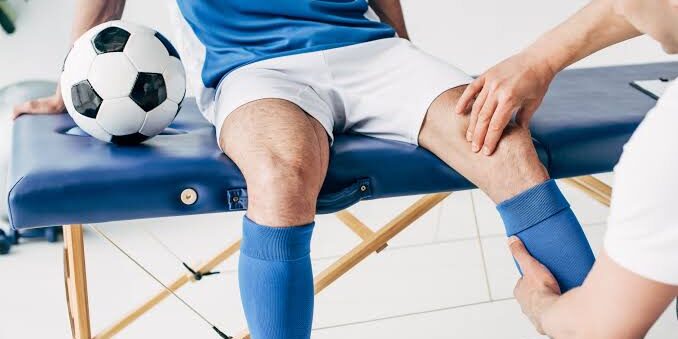
If you’re searching for a sports medicine doctor near me, you likely have pain that won’t quit, an injury that won’t heal, or a limit on the activities you love. A sports medicine physician diagnoses and treats injuries of the muscles, bones, joints, tendons, and ligaments. Early evaluation matters. When you get an accurate diagnosis sooner, you often recover faster and return to daily life or sport more safely.
Dr. Hasan Syed MD offers patient-centered, evidence-based care built around your specific needs. This guide explains what a sports medicine doctor does, when to schedule a visit, common injuries treated, and what to expect during your first appointment.
Key Takeaways
- A sports medicine doctor treats musculoskeletal injuries in both athletes and non-athletes.
- Most sports injuries improve with non-surgical care like physical therapy, bracing, and injections.
- PRP therapy uses your body’s own healing factors to reduce inflammation and support tissue repair.
- Persistent pain, swelling, or joint instability are signals to book an appointment.
- Treatment always depends on an individual evaluation, not a one-size-fits-all plan.
What Is a Sports Medicine Doctor?
A sports medicine doctor is a physician who diagnoses and treats injuries and conditions affecting the muscles, bones, joints, tendons, and ligaments. They focus on non-surgical care, restoring function, and helping patients return to activity safely. Unlike a general physician, they specialize in movement-related and musculoskeletal problems.
A sports medicine specialist near me treats a wide range of conditions, from acute sprains to chronic overuse injuries. According to groups like the American Medical Society for Sports Medicine (AMSSM), most of these doctors emphasize non-surgical treatment first.
An orthopedic sports medicine doctor also works closely with physical therapists. This team approach supports rehabilitation and helps guide your safe return to work, exercise, or competition. When surgery is needed, your physician can refer you to the right specialist.
Who Should See a Sports Medicine Doctor?
You don’t have to be a professional athlete to benefit. A sports injury doctor helps anyone dealing with pain that affects movement or daily function.
Consider a visit if you are:
- Athletes at any level, from youth leagues to competitive sport
- Weekend warriors who play recreationally and pick up strains
- Active adults managing joint or muscle pain
- Children and teens with growth-related or sports injuries
- Seniors with arthritis, stiffness, or reduced mobility
- Workers with repetitive strain from physical jobs
- Non-athletes with everyday musculoskeletal pain
Reader checkpoint: If pain limits what you can do at home, at work, or in the gym, a musculoskeletal specialist can help you find the cause.
Common Sports Injuries Treated
A sports physician evaluates and treats many injury types. Some come on suddenly. Others build over time from overuse.
Commonly treated injuries include:
- Sprains (stretched or torn ligaments)
- Strains (stretched or torn muscles or tendons)
- Tendonitis and tendon injuries
- Rotator cuff injuries and shoulder instability
- ACL injuries and other ligament tears
- Meniscus tears in the knee
- Tennis elbow and golfer’s elbow
- Runner’s knee and shin splints
- Stress fractures
- Hip pain, back pain, and ankle injuries
A knee pain evaluation, for example, may involve checking the ligaments, cartilage, and tendons around the joint. A shoulder pain assessment often focuses on the rotator cuff and joint stability.
Overuse Injuries and Tendon Problems
Overuse injuries develop gradually from repeated stress on the same tissue. Tendonitis, stress fractures, and shin splints are common examples. A tendon injury specialist looks at your training habits, technique, and workload to find the root cause. Addressing that cause helps prevent the injury from returning.
Signs You Should Schedule an Appointment
Some aches fade with rest. Others need professional care. The AAOS notes that pain lasting more than a couple of weeks deserves evaluation.
Schedule a visit if you notice:
- Persistent pain that doesn’t improve with rest
- Swelling that lingers or worsens
- Reduced mobility or a limited range of motion
- Joint instability or a feeling of “giving way”
- Recurrent injuries in the same area
- Difficulty exercising or completing daily tasks
Ignoring these signs can make an injury harder to treat. Early ligament injury treatment often leads to better outcomes than waiting.
Diagnostic Process
An accurate diagnosis guides effective treatment. Dr. Syed uses a step-by-step process to understand your injury fully.
- Medical history — Your symptoms, activity level, and past injuries are reviewed.
- Physical examination — Your physician checks strength, motion, swelling, and stability.
- Functional assessment — Movement patterns reveal how the injury affects you.
- Imaging when indicated — X-rays, MRI, or ultrasound may be ordered to confirm findings.
- Personalized diagnosis — Results are combined into a clear explanation of your condition.
Imaging isn’t always needed. Your doctor orders tests only when they will change or confirm the treatment plan.
Treatment Options
Most sports injuries respond well to non-surgical care. Treatment depends on your diagnosis, goals, and overall health. Resources like MedlinePlus and the NIH support conservative care as a first step for many musculoskeletal conditions.
Common sports injury treatment options include:
- Activity modification to reduce stress on the injured area
- Physical therapy to rebuild strength, flexibility, and control
- Medications to manage pain and inflammation
- Bracing or supports to protect and stabilize joints
- Joint injections to relieve pain in some cases
- PRP therapy and other regenerative medicine options
- Rehabilitation and structured return-to-play guidance
- Injury prevention strategies to lower future risk
PRP Therapy and Regenerative Sports Medicine
Platelet-rich plasma therapy uses your body’s own healing factors to reduce inflammation and promote tissue repair. During PRP therapy, a small sample of your blood is processed to concentrate the platelets. That concentrate is then injected into the injured tendon or joint.
Research on PRP is still developing, and results vary by patient and condition. Regenerative sports medicine may help with certain tendon and joint problems, but it isn’t right for everyone. Your physician will explain the potential benefits and limits during your evaluation.
Benefits of Non-Surgical Sports Medicine
Non-surgical sports medicine focuses on healing without an operation whenever possible. For many patients, this approach fits their needs well.
| Feature | Non-Surgical Care | Surgery |
| Recovery time | Often shorter when appropriate | Usually longer |
| Downtime | Reduced | More significant |
| Risk level | Generally lower | Higher |
| Best for | Many strains, tendonitis, mild tears | Severe tears, structural damage |
| Focus | Function and long-term joint health | Structural repair |
Benefits often include faster recovery when appropriate, less downtime, and steady functional improvement. Non-surgical care also supports long-term joint health. Still, some injuries do require surgery, and your doctor will tell you when that’s the case.
Why Choose HasanSyedMD.com
Choosing the right physician shapes your recovery. Dr. Hasan Syed, MD provides care rooted in accurate diagnosis and proven methods.
What you can expect:
- Patient-centered care that listens to your goals
- Comprehensive evaluations to find the real cause of pain
- Evidence-based treatments grounded in current medical practice
- Personalized recovery plans built for your body and lifestyle
- A focus on safe return to the activities you value
Explore the sports medicine services to learn how each condition is addressed. When you’re ready, the contact and appointment page makes booking simple.
What to Expect During Your First Visit
Your first appointment sets the foundation for treatment. Here’s how it typically goes:
- Medical history review — You’ll discuss symptoms, activities, and past injuries.
- Physical examination — Your doctor checks the injured area in detail.
- Diagnosis discussion — You’ll get a clear explanation of what’s happening.
- Treatment planning — Together, you’ll build a plan that fits your goals.
- Follow-up recommendations — Next steps and timelines are outlined.
- Rehabilitation guidance — You’ll learn how sports rehabilitation supports recovery.
Bring any prior imaging, a list of medications, and questions you want answered.
Frequently Asked Questions
What does a sports medicine doctor do?
A sports medicine doctor diagnoses and treats injuries of the muscles, bones, joints, tendons, and ligaments. They focus on non-surgical care, rehabilitation, and safe return to activity. They also help prevent future injuries through training and movement guidance.
When should I see a sports medicine doctor?
See a sports medicine doctor when pain lasts more than a couple of weeks, swelling persists, or a joint feels unstable. Reduced mobility, recurring injuries, or trouble exercising are also good reasons to book an evaluation for an accurate diagnosis.
Can sports medicine doctors treat non-athletes?
Yes. Sports medicine doctors treat anyone with musculoskeletal pain, including active adults, seniors, and workers with repetitive strain. You don’t need to play a sport to benefit from expert evaluation and non-surgical treatment for joint, muscle, or tendon problems.
Do sports medicine doctors perform surgery?
Many sports medicine physicians focus on non-surgical care. They treat injuries with therapy, injections, bracing, and rehabilitation. When surgery is needed for a severe tear or structural damage, they coordinate care and refer you to an appropriate surgical specialist.
What injuries are commonly treated?
Common injuries include sprains, strains, tendonitis, rotator cuff injuries, ACL and meniscus tears, tennis elbow, runner’s knee, shin splints, and stress fractures. Sports medicine doctors also treat hip pain, back pain, shoulder instability, and ankle injuries.
What is PRP therapy?
PRP therapy, or platelet-rich plasma therapy, uses your body’s own healing factors to reduce inflammation and promote tissue repair. A small blood sample is processed to concentrate platelets, then injected into the injured area. Results vary by patient and condition.
How long does sports injury recovery take?
Recovery time depends on the injury type, severity, and your overall health. Mild strains may heal in a few weeks, while ligament tears can take months. Your physician gives a realistic timeline based on your individual evaluation.
What happens during the first appointment?
Your first appointment includes a medical history review, physical examination, and a functional assessment. Your doctor explains the diagnosis, discusses treatment options, and builds a personalized plan. You’ll also receive follow-up and rehabilitation guidance for your recovery.
Is non-surgical sports medicine effective?
Non-surgical sports medicine helps many patients recover without an operation. Physical therapy, bracing, injections, and activity changes often improve pain and function. Effectiveness depends on the injury and how early you begin treatment, so an individual evaluation is key.
Do I need imaging for my injury?
Not always. Your doctor may order X-rays, MRI, or ultrasound only when the results will confirm or change your treatment plan. Many injuries can be diagnosed through a thorough history and physical examination alone.
Conclusion
Finding a trusted sports medicine doctor near me starts with knowing what to look for: accurate diagnosis, evidence-based care, and a plan built around you. Most sports injuries improve with non-surgical treatment, and options like PRP therapy may support healing in the right cases. Early evaluation often leads to faster, safer recovery.
Dr. Hasan Syed, MD combines patient-centered care with individualized recovery plans to help you get back to what you love. If persistent sports-related or musculoskeletal pain is holding you back, schedule an evaluation today.