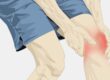

Bending your knee should feel smooth and painless. So when a sharp twinge, dull ache, or stiff catch shows up every time you squat, climb stairs, or stand after sitting, it’s natural to worry. Knee pain when bending is one of the most common reasons Canadians visit an orthopedic clinic.
The good news? Most causes are treatable. This guide explains what’s happening inside your knee, the most likely causes, and when to see a specialist.
Medical disclaimer: This article is for educational purposes only and should not replace professional medical advice. Consult an orthopedic specialist for persistent or severe knee pain.
What Happens Inside the Knee When You Bend It?
Short answer: When you bend your knee, bones, cartilage, ligaments, and tendons work together to fold and unfold the joint. Pain happens when any of these parts is injured, inflamed, or worn down.
Your knee is the largest joint in your body. It connects your thigh bone (femur), shin bone (tibia), and kneecap (patella). Several structures keep it working:
- Cartilage: Smooth tissue that caps the bone ends so they glide without friction.
- Meniscus: Two C-shaped pads that cushion and absorb shock between the bones.
- Ligaments: Tough bands (like the ACL and MCL) that hold the bones together and keep the joint stable.
- Tendons: Cords that attach muscle to bone, including the patellar tendon below your kneecap.
When you bend, your kneecap slides in a groove and the meniscus compresses slightly. If any part is damaged, bending creates pain, clicking, or weakness.
Common Causes of Knee Pain When Bending
Meniscus Tear
Short answer: A meniscus tear happens when the cushioning cartilage rips, often during twisting or squatting. It’s a leading cause of sharp knee pain when squatting or bending.
Meniscus tear symptoms include a popping sensation, swelling within 24 hours, and a knee that catches or locks. According to the American Academy of Orthopaedic Surgeons (AAOS), tears can come from sudden injury in younger people or simple wear in adults over 40. Twisting on a planted foot is a classic trigger.
Runner’s Knee (Patellofemoral Pain Syndrome)
Short answer: Runner’s knee causes dull pain around or behind the kneecap, especially when bending, squatting, or sitting for a long time.
This condition develops when the kneecap doesn’t track smoothly in its groove. The Cleveland Clinic notes it’s common in runners, cyclists, and anyone who increases activity quickly. You may notice knee pain after sitting, a feeling often called “theatre sign,” along with knee pain climbing stairs.
Arthritis
Short answer: Yes, arthritis can cause pain when bending. Worn cartilage leaves bones rubbing together, creating stiffness and ache.
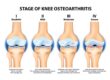
Knee arthritis symptoms include morning stiffness, swelling, grinding sounds, and pain that worsens with activity. Arthritis Society Canada reports that osteoarthritis is the most common form, affecting millions of Canadians. The pain often builds slowly over months or years rather than appearing overnight.
Tendonitis
Short answer: Tendonitis is inflammation of a tendon, usually from overuse. Patellar tendonitis causes pain just below the kneecap when bending or jumping.
Also called “jumper’s knee,” patellar tendonitis is common in basketball, volleyball, and running. NIAMS describes it as an overuse injury that builds gradually. The pain feels worse during squats, stairs, or after intense activity, and often eases with rest.
Bursitis
Short answer: Knee bursitis is swelling of the small fluid sacs (bursae) that cushion the joint. It causes pain and puffiness when kneeling or bending.
Bursitis often follows repeated kneeling, a direct blow, or infection. The Mayo Clinic explains that the area may feel warm, tender, and swollen. People whose jobs involve frequent kneeling, like flooring installers or gardeners, face higher risk.
Ligament Injury
Short answer: A ligament injury, such as an ACL or MCL sprain, causes instability and pain when bending or twisting the knee.
Ligament tears often happen during sports that involve sudden stops or direction changes. You may hear a pop, feel the knee “give out,” and notice rapid swelling. The AAOS lists ligament injuries among the most frequent sports-related knee problems.
Muscle Strain
Short answer: A strained muscle around the knee, like the hamstring or quadriceps, can make bending painful and stiff.
Strains happen when muscles stretch too far or work too hard without warming up. The pain usually feels achy and tight rather than sharp. Most strains heal with rest and gentle stretching over a few weeks.
Cartilage Damage
Short answer: Damaged cartilage reduces the smooth cushioning in your knee, leading to pain, swelling, and a grinding feeling when bending.
Cartilage can wear down from age, injury, or repeated stress. When the protective surface breaks down, bending puts bone closer to bone. This often overlaps with early arthritis and may cause knee pain when bending and straightening.
Symptoms That Shouldn’t Be Ignored
Most knee pain settles with rest. But certain signs need prompt medical attention:
- Severe swelling that appears within hours
- A knee that locks, catches, or gives out
- Pain so sharp you can’t put weight on the leg
- A visible deformity or the knee looks out of place
- Redness, warmth, and fever (possible infection)
- Pain behind knee when bending paired with calf swelling (rule out a blood clot)
If you notice any of these, contact a doctor or visit urgent care.
Pain Location Guide
Where your pain sits can hint at the cause. Use this table as a starting point, not a diagnosis.
| Pain Location | Possible Cause | Common Symptoms |
| Front of knee / around kneecap | Runner’s knee, patellar tendonitis | Ache when sitting, stairs, or squatting |
| Inner side of knee | Meniscus tear, MCL sprain | Pain twisting, swelling, tenderness |
| Outer side of knee | IT band syndrome, LCL injury | Pain during running or bending |
| Behind the knee | Baker’s cyst, hamstring strain | Tightness, swelling, pain when straightening |
| Deep inside the joint | Arthritis, cartilage damage | Grinding, stiffness, swelling |
| Just below kneecap | Patellar tendonitis | Pain when jumping or kneeling |
How Doctors Diagnose Knee Pain
Short answer: Doctors diagnose knee pain through a physical exam and imaging tests such as X-rays, MRI, or ultrasound.
The process usually follows these steps:
- Physical examination: Your doctor checks range of motion, swelling, stability, and tender spots.
- X-rays: These show bone problems, arthritis, and joint space narrowing.
- MRI: The best test for soft tissue like the meniscus, ligaments, and cartilage.
- Ultrasound: Useful for spotting fluid, bursitis, or tendon issues.
- CT scan: Used when more detail on complex bone structure is needed.
Treatment Options
Short answer: Knee pain treatment ranges from rest and physio to medication, injections, and surgery for severe cases.
Most patients improve with conservative care. Treatment typically follows this order:
- RICE method: Rest, Ice, Compression, and Elevation for the first 48 hours.
- Physical therapy: Targeted exercises strengthen the muscles that support the knee.
- Medications: Over-the-counter anti-inflammatories ease pain and swelling.
- Injections: Corticosteroid or hyaluronic acid shots can reduce inflammation when other steps fall short.
- Surgery: Reserved for serious tears, advanced arthritis, or unstable ligaments. Options range from arthroscopy to knee replacement.
These steps align with recommendations from the AAOS and Mayo Clinic.
Home Remedies
You can manage mild knee pain at home with simple steps:
- Rest the joint and avoid activities that trigger pain.
- Apply ice for 15 to 20 minutes a few times a day.
- Use a supportive brace or compression sleeve.
- Keep the leg elevated to reduce swelling.
- Try gentle stretches once the sharp pain eases.
- Maintain a healthy weight to lower stress on the joint.
If pain lasts more than two weeks, book a proper assessment.
Prevention Tips
Protecting your knees today saves trouble later. Try these habits:
- Warm up before exercise and cool down after.
- Strengthen your thighs, hips, and core.
- Increase workout intensity slowly, not suddenly.
- Wear proper footwear with good support.
- Stretch regularly to keep muscles flexible.
- Maintain a healthy body weight.
When to See an Orthopedic Surgeon
Short answer: See an orthopedic surgeon if knee pain lasts more than two weeks, keeps you from daily activities, or comes with locking, instability, or major swelling.
You should book a consultation when home care fails, when the knee gives out, or when pain disrupts sleep and work. An orthopedic specialist can pinpoint the cause and build a treatment plan. Knowing when to see an orthopedic surgeon early often prevents long-term joint damage.
Key Takeaways
- Knee pain when bending usually comes from the meniscus, cartilage, tendons, ligaments, or arthritis.
- Sharp knee pain when squatting often points to a meniscus tear or runner’s knee.
- Pain behind knee when bending may signal a Baker’s cyst or hamstring strain.
- Most knee pain improves with rest, ice, and physio.
- See an orthopedic surgeon for swelling, locking, instability, or pain lasting over two weeks.
Frequently Asked Questions
Why does my knee hurt when I bend it?
Bending stresses the cartilage, meniscus, tendons, and kneecap. Pain usually means one of these structures is inflamed, worn, or injured. Common causes include runner’s knee, a meniscus tear, arthritis, or tendonitis. If the pain is mild, rest often helps. Persistent or sharp pain deserves a professional assessment.
Is knee pain when bending serious?
Not always. Mild pain from overuse often settles with rest and ice. However, pain with locking, swelling, instability, or an inability to bear weight can signal a serious injury. If symptoms last more than two weeks or worsen, see a doctor to rule out tears, infection, or arthritis.
Why does my knee hurt when I squat?
Squatting loads the kneecap and compresses the meniscus. Sharp pain may point to a meniscus tear, while a dull ache around the kneecap suggests runner’s knee or patellar tendonitis. Poor form, weak thigh muscles, or tight hips can add stress. Strengthening exercises and proper technique usually help.
Why does my knee hurt going downstairs?
Going downstairs puts extra force on the kneecap and front of the knee. This often points to runner’s knee or early cartilage wear. The kneecap may not glide smoothly in its groove. Strengthening your quadriceps and hips, along with physio, often reduces this type of knee pain climbing stairs.
What causes pain behind the knee?
Pain behind the knee when bending can come from a Baker’s cyst, hamstring strain, or meniscus tear. A Baker’s cyst is fluid buildup that creates tightness. If swelling appears in your calf along with the pain, see a doctor quickly to rule out a blood clot, which needs urgent care.
How do I know if I tore my meniscus?
Meniscus tear symptoms include a popping feeling at the time of injury, swelling within a day, and a knee that catches or locks. You may struggle to fully straighten the leg. Twisting often triggers it. An MRI confirms the diagnosis, so see a specialist if you notice these signs.
Should I keep walking if my knee hurts?
Gentle walking is usually fine for mild knee pain and helps keep the joint mobile. However, stop if walking causes sharp pain, swelling, or instability. Listen to your body, avoid stairs and uneven ground, and rest when needed. If pain worsens with walking, get it checked.
Can knee pain go away on its own?
Yes, mild knee pain from overuse or a minor strain often clears within a few weeks with rest, ice, and gentle movement. But pain from a meniscus tear, ligament injury, or arthritis usually needs treatment. If pain lingers beyond two weeks or keeps returning, book an assessment.