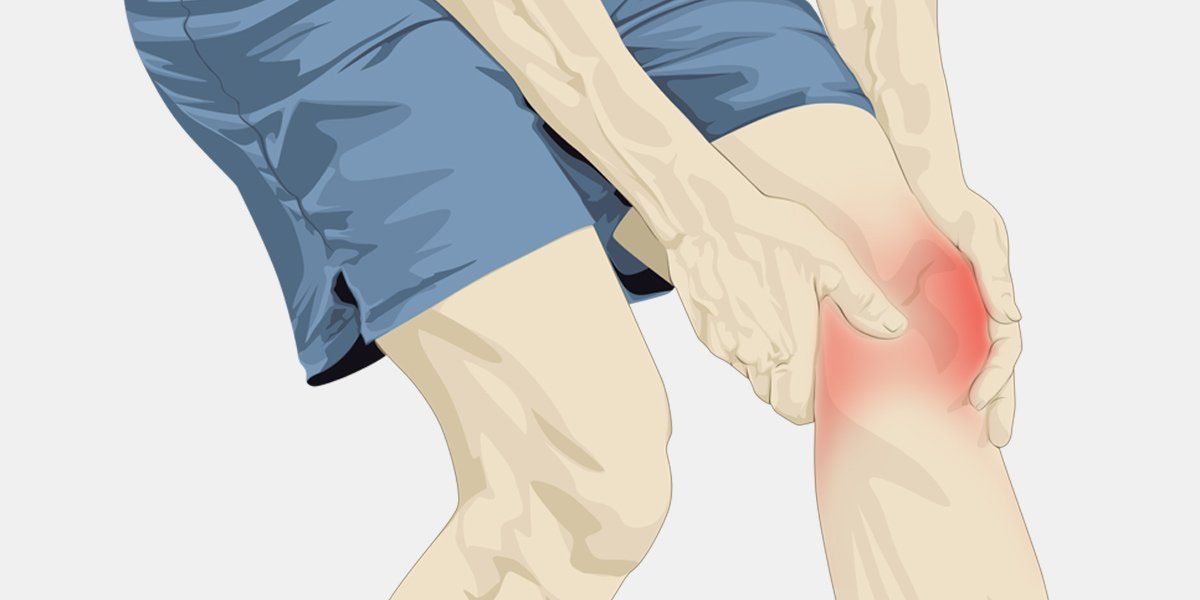
A swollen knee can feel alarming, especially when it appears suddenly or makes it hard to walk. The good news is that most cases of knee swelling are not dangerous and improve with rest and simple care. Still, there are times when swelling signals something more serious that needs prompt attention. Knowing the difference helps you respond calmly and make the right decision for your health.
So, can a swollen knee be dangerous? In some cases, yes. Swelling is your body’s response to injury, irritation, or infection inside or around the joint. While many causes are mild, a few require quick medical evaluation to protect the joint and your overall health. Understanding what your body is telling you is the first step toward getting the care you need.
If you’re trying to figure out what’s going on with your knee, this guide walks you through the common causes, the warning signs to watch for, and when to seek help. For personalized guidance, an experienced orthopedic specialist such as Hasan Syed MD can evaluate your symptoms and recommend the right path forward. This article offers general information and is not a substitute for a professional diagnosis.
What Causes a Swollen Knee?
Knee swelling, sometimes called “water on the knee,” happens when fluid builds up in or around the joint. The cause can range from a minor strain to a medical condition that needs treatment. Here are the most common reasons.
Injuries
Sudden trauma is one of the leading causes of a swollen knee. Common injuries include:
- Ligament tears, such as an ACL injury
- Meniscus tears, which affect the cartilage that cushions the joint
- Fractures of the bones in or around the knee
- Sprains and strains from twisting or overuse
Injuries often cause swelling within hours, along with pain and reduced movement.
Arthritis
Several types of arthritis can lead to a swollen knee:
- Osteoarthritis, the “wear and tear” form that develops over time
- Rheumatoid arthritis, an autoimmune condition that inflames the joint lining
- Post-traumatic arthritis, which can appear after an old injury
Arthritis-related swelling may come and go and is often paired with stiffness.
Bursitis
Small fluid-filled sacs called bursae cushion your knee. When they become irritated, usually from kneeling, pressure, or repetitive motion, they can swell. This is known as bursitis and often causes tenderness on the surface of the knee.
Gout and Other Crystal Conditions
Gout occurs when uric acid crystals collect in the joint, triggering sudden, intense pain and swelling. A related condition called pseudogout involves different crystals but causes similar symptoms. These flare-ups can appear quickly and feel severe.
Infection
An infected knee joint, known as septic arthritis, is less common but more serious. Infection can enter through a wound, surgery, or spread from elsewhere in the body. This type of swelling usually comes with warmth, redness, fever, and significant pain. It needs urgent medical care to prevent joint damage.
Can a Swollen Knee Be Dangerous?
Most swollen knees are not dangerous and settle with rest, ice, and time. However, swelling can be dangerous when it points to an infection, a blood clot, a serious injury, or a rapidly worsening condition. The danger usually comes from the underlying cause rather than the swelling itself.
Here’s a simple way to think about it:
- Usually not dangerous: mild swelling after activity, minor sprains, early arthritis flare-ups
- Needs prompt evaluation: swelling that doesn’t improve, recurring flare-ups, or swelling with instability
- Needs urgent care: signs of infection, severe pain, fever, or an inability to move the joint
Paying attention to how your knee feels and how quickly symptoms change gives you a reliable guide.
How Do You Know If a Swollen Knee Is Serious?
You can often tell whether a swollen knee needs closer attention by looking for specific warning signs. Watch for the following:
- Severe pain that limits movement
- The joint feels hot, very red, or looks obviously deformed
- Fever or chills along with the swelling
- Swelling that appears suddenly and severely
- Inability to bear weight or straighten the knee
- Numbness, tingling, or a cold, pale lower leg
- Calf pain or swelling, which may suggest a blood clot
If any of these are present, it’s wise to contact a medical professional rather than wait it out. These signs suggest the cause may need timely treatment.
When Is a Swollen Knee an Emergency?
A swollen knee becomes an emergency when it comes with signs of infection, a possible blood clot, or a serious injury. Seek emergency medical care if you notice:
- High fever with a hot, painful, red knee, which may indicate a joint infection
- Sudden, severe pain and swelling after a fall or accident, especially with a visible deformity
- A cold, pale, or numb lower leg, which may point to a circulation problem
- Calf swelling, warmth, and tenderness, which can be a sign of a deep vein clot
- Inability to move the joint at all
These situations need quick evaluation to protect your joint, your leg, and your overall health. When in doubt, it’s always safer to get checked.
Should You See a Doctor for a Swollen Knee?
Yes, you should see a doctor if your swollen knee does not improve within a few days, keeps coming back, or interferes with daily activities. You should also seek care sooner if the swelling followed an injury or is paired with any warning signs listed above.
Consider scheduling an evaluation if you experience:
- Swelling that lasts more than a few days
- Repeated flare-ups in the same knee
- Pain that limits walking, working, or sleeping
- Knee instability or a feeling that the joint may give out
- Ongoing stiffness that affects your routine
A specialist can identify the cause accurately and help you avoid long-term joint problems.
How Is a Swollen Knee Diagnosed?
A medical professional typically starts with a physical exam and a review of your symptoms and history. To pinpoint the cause, they may recommend:
- Imaging tests, such as X-rays, ultrasound, or MRI, to view bones, cartilage, and soft tissue
- Joint fluid analysis, where a small sample of fluid is drawn and examined for infection, gout crystals, or inflammation
- Blood tests, which can check for infection, arthritis markers, or uric acid levels
These steps help create a clear, reliable picture of what’s happening inside your knee so treatment can be targeted and effective.
General Treatment Approaches
Treatment depends entirely on the cause, which is why an accurate diagnosis matters. In general, care may include:
- Rest and activity changes to reduce strain on the joint
- Ice and elevation to help control swelling
- Medications to ease pain and inflammation, as directed by a professional
- Draining excess fluid in certain cases to relieve pressure
- Antibiotics when an infection is confirmed
- Physical therapy to rebuild strength and mobility
- Surgery for serious injuries or advanced joint conditions, when appropriate
Your provider will tailor treatment to your specific situation, so it’s important to follow their guidance rather than self-treating a persistent problem.
What Can You Do for a Swollen Knee While You Wait?
While you arrange to be evaluated, a few simple, safe steps may help ease discomfort. These are supportive measures, not a replacement for professional care:
- Rest the knee and avoid activities that worsen the pain
- Ice the area for short periods, using a cloth barrier to protect your skin
- Elevate your leg to help reduce swelling
- Use gentle compression with a supportive wrap if it feels comfortable
- Avoid heavy lifting or high-impact movement until you’re evaluated
Stop any activity that increases pain, and seek prompt care if warning signs appear or symptoms get worse.
Get Clear Answers About Your Knee
A swollen knee is often manageable, but it deserves attention when symptoms linger or feel severe. Trusting your instincts and getting an accurate evaluation is the safest, most reliable way to protect your mobility and comfort.
If your knee is swollen and you want expert insight, don’t leave your health to guesswork. Schedule a professional evaluation and learn more about your options with Hasan Syed MD. Getting the right diagnosis early gives you confidence and a clear plan for recovery.