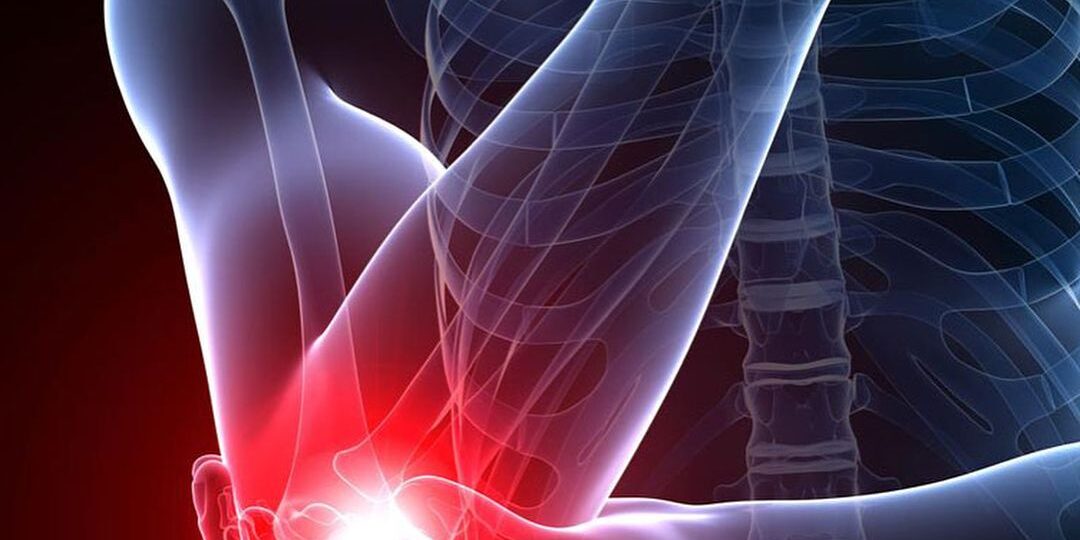
Pain while bending your elbow can come from several possible sources, including overuse, tendon problems, bursitis, arthritis, nerve irritation, or injury. The right explanation depends on your specific symptom pattern, where the pain sits, how long it has lasted, and your medical history. In other words, two people with “elbow pain when bending” may have very different reasons behind it.
This article walks you through the common causes, related symptoms, how doctors evaluate the problem, and treatment options. It’s educational information, not a personal diagnosis. If you’d like to explore professional orthopedic and elbow care information, a qualified specialist can assess your situation directly. Persistent, severe, or worsening pain always deserves a proper evaluation.
Why Does My Elbow Hurt When I Bend It? (Quick Answer)
Your elbow hurts when you bend it because the movement loads several structures at once—tendons, muscles, the joint surface, small fluid-filled sacs called bursae, and nearby nerves. When any of these are irritated, inflamed, injured, or compressed, bending can trigger pain. Common reasons include tennis elbow, golfer’s elbow, bursitis, arthritis, tendon overuse, and nerve irritation such as cubital tunnel syndrome. A clear diagnosis usually requires a physical exam and sometimes imaging.
What Does Pain While Bending the Elbow Mean?
The elbow is a hinge joint where three bones meet: the upper arm bone (humerus) and the two forearm bones (radius and ulna). Tendons anchor your forearm muscles to bony bumps on the inner and outer elbow. Ligaments hold the joint stable, cartilage cushions the surfaces, and the ulnar nerve travels through a narrow tunnel on the inner side.
When you bend (flex) your elbow, these tissues stretch, compress, and glide. If a tendon is irritated, a bursa is swollen, cartilage is worn, or a nerve is pinched, that motion can produce elbow joint pain, elbow stiffness, or a sharp, aching, or burning sensation. The type and location of the pain often hint at what’s going on.
Common Causes of Pain While Bending Elbow
Several conditions are recognized causes of pain bending elbow. Here are the most common ones and how they may feel.
- Tennis elbow (lateral epicondylitis): Overuse irritates the tendons on the outer elbow. You may notice outer elbow pain with gripping, lifting, or straightening the wrist.
- Golfer’s elbow (medial epicondylitis): A similar tendon problem on the inner side, causing inner elbow pain that can worsen with wrist and finger movements.
- Elbow bursitis: Inflammation of the bursa, often at the tip of the elbow, may cause swelling and pain when bending or leaning on the joint.
- Arthritis: Osteoarthritis or inflammatory arthritis can wear the joint surface, leading to stiffness, aching, and reduced motion.
- Tendon irritation or overuse: Repetitive strain can inflame elbow tendon pain even without a single injury.
- Nerve irritation (cubital tunnel syndrome): When the ulnar nerve is compressed at the inner elbow, symptoms often get worse when the elbow stays bent for long periods. You might feel numbness or tingling in the ring and little fingers.
- Sprains and strains: Stretched or partly torn ligaments or muscles from a twist, fall, or sudden load.
- Fractures or other injuries: A break or dislocation typically causes intense pain, swelling, and difficulty moving the joint after trauma.
- Repetitive activities and sports stress: Throwing, racquet sports, weightlifting, and manual work can gradually overload elbow tissues.
These descriptions are general patterns, not a checklist for self-diagnosis. Similar symptoms can come from different conditions.
Pain on the Inside, Outside, or Back of the Elbow
Location offers useful clues, though it never replaces a professional exam.
- Inner elbow pain: Often linked to golfer’s elbow or ulnar nerve irritation. Tingling into the ring and little fingers may point toward the nerve.
- Outer elbow pain: Commonly associated with tennis elbow and tendon overuse on the lateral side.
- Back of the elbow pain: May involve the triceps tendon or the bursa at the tip of the elbow, sometimes with visible swelling.
Think of these as starting points for a conversation with a clinician rather than a definitive answer.
Symptoms That May Occur Along With Elbow Pain
Elbow pain rarely travels alone. Watch for these companion symptoms, since they help guide evaluation:
- Swelling around the joint
- Elbow stiffness or trouble fully bending or straightening
- Tenderness over a specific spot
- Reduced range of motion
- Weakness when gripping or lifting
- Clicking, catching, or locking
- Numbness or tingling
- Pain spreading into the forearm or hand
Numbness, tingling, or weakness can suggest nerve involvement and are worth mentioning to a healthcare professional.
How Is Pain While Bending the Elbow Diagnosed?
A clinician usually starts with your history: how the pain began, what makes it better or worse, your activities, and any past injuries. Next comes a physical exam to check range of motion, strength, tenderness, swelling, stability, and nerve function.
When clinically appropriate, imaging or tests may add detail:
- X-rays to look at bones and joint spacing
- Ultrasound to view tendons and soft tissue
- MRI for detailed soft-tissue assessment
- Nerve studies if a pinched nerve is suspected
Not everyone needs imaging. The exam often points to the likely cause, and tests are ordered only when they’ll change the plan.
Treatment Options for Pain While Bending Elbow
Treatment depends on the underlying cause, so no single approach fits everyone. Many common tendon-related elbow conditions improve with nonsurgical care, according to the American Academy of Orthopaedic Surgeons, including activity changes and rehabilitation exercises. Options a clinician may consider include:
- Activity modification: Adjusting how you move to reduce strain.
- Rest from aggravating activities: Giving irritated tissue time to settle.
- Ice when appropriate: May help with swelling and discomfort in some cases.
- Physical therapy: Guided programs to restore motion and function.
- Stretching and strengthening under professional guidance: Targeted exercises to support recovery.
- Bracing when recommended: Splints or straps can offload strained tissues.
- Medication when medically appropriate: Only as advised by a qualified professional.
- Treating the underlying condition: For example, managing arthritis or addressing nerve compression.
A tailored plan works best, so it’s wise to have your specific situation assessed before starting treatment.
When Should You See a Doctor for Elbow Pain?
Consider a professional evaluation if you notice any of the following:
- Pain that is persistent, worsening, or severe
- Significant swelling or visible deformity
- Restricted movement or inability to bend or straighten the elbow
- Weakness in the arm or hand
- Numbness or tingling, especially into the fingers
- Symptoms that started after a fall, blow, or accident
- Signs of infection such as warmth, redness, or fever
These signs don’t confirm any single diagnosis, but they mean the elbow deserves a closer look.
Can You Prevent Pain While Bending Your Elbow?
You can lower your risk with a few practical habits:
- Use proper technique in sports, workouts, and repetitive tasks.
- Increase activity gradually rather than jumping into heavy loads.
- Build conditioning in the forearm, wrist, and shoulder to support the elbow.
- Avoid repetitive overuse by varying movements and taking breaks.
- Allow adequate recovery between demanding sessions.
Small adjustments to form and workload often protect the tendons and joint over time.
When to Get Evaluated
If your elbow pain is persistent, severe, worsening, or paired with swelling, weakness, numbness, or trouble moving the joint, don’t wait it out. A qualified orthopedic professional can examine your elbow, explain what’s happening, and recommend a plan suited to you. You can learn more about evaluation and elbow care options at hasansyedmd.com. Getting an accurate answer early gives you the clearest path toward relief.
Frequently Asked Questions
Why does my elbow hurt when I bend it?
Bending loads tendons, the joint, bursae, and nerves at once. When any of these are irritated, inflamed, or compressed, that motion can trigger pain. The exact cause depends on your symptoms and history.
What causes pain when bending the elbow?
Common causes include tennis elbow, golfer’s elbow, bursitis, arthritis, tendon overuse, nerve irritation, sprains, and injuries. A clinician can help identify the specific reason.
Why does my elbow hurt on the inside when I bend it?
Inner elbow pain is often linked to golfer’s elbow or ulnar nerve irritation. Tingling into the ring and little fingers may point toward the nerve, so an exam is helpful.
Can elbow tendonitis cause pain when bending?
Yes. Irritated tendons on the inner or outer elbow can hurt with movement, gripping, and lifting, which is a common pattern with tendon overuse conditions.
Can arthritis cause elbow pain when bending?
Yes. Arthritis can wear the joint surface and lead to stiffness, aching, and reduced range of motion during bending.
When should I see a doctor for elbow pain?
Seek evaluation for persistent, severe, or worsening pain, significant swelling, weakness, numbness, tingling, restricted movement, or pain after an injury.
How can I relieve elbow pain when bending?
Relief depends on the cause. Options a professional may suggest include activity changes, rest, ice, physical therapy, guided exercises, bracing, and medication when appropriate.