Introduction
Your knee carries you through every step, squat, and pivot of your day. At the center of that movement sits the meniscus, a tough piece of cartilage that cushions and stabilizes the joint. Recognizing meniscus tear symptoms early can be the difference between a quick recovery and a long-term knee problem.
Each knee holds two of these C-shaped pads. They absorb shock between your thigh bone and shin bone, spread your body weight evenly, and keep the joint steady. When a meniscus tears, the knee often sends clear warning signals. The trouble is, many people brush off those signs as a minor strain until they worsen.
This guide breaks down the most common torn meniscus symptoms, what the pain actually feels like, and when to seek a medical evaluation.
What Is a Meniscus Tear?
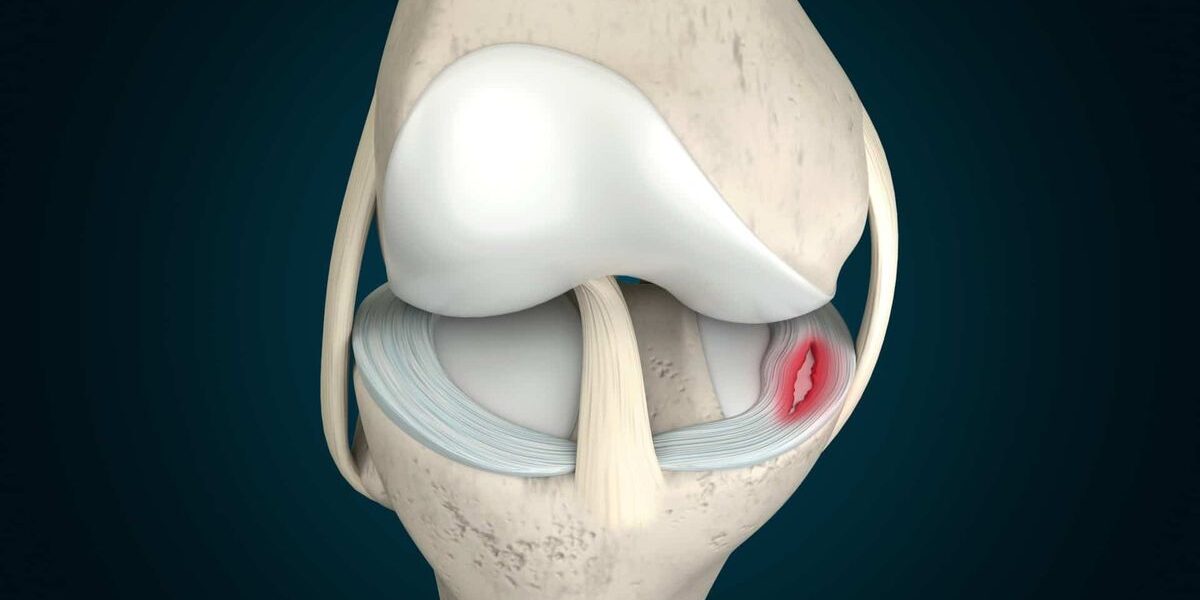
A meniscus tear is a rip or split in the cartilage that cushions your knee joint. It can happen suddenly during sports or gradually from years of wear.
Understanding the Meniscus
Each knee has two menisci, both made of strong, rubbery cartilage:
- Medial meniscus: Sits on the inner side of the knee. It tears more often because it’s firmly attached and absorbs heavy load.
- Lateral meniscus: Sits on the outer side. It moves more freely and tears less frequently.
Together, they protect the smooth cartilage on the ends of your bones and help your knee glide without grinding.
How Tears Occur
A knee cartilage tear usually happens in one of three ways:
- Sports injuries: Quick cuts, pivots, and tackles in football, basketball, soccer, and skiing put the meniscus under sudden stress.
- Sudden twisting movements: Planting your foot and rotating your knee, even during everyday tasks, can split the cartilage.
- Age-related degeneration: After age 40, cartilage weakens. A tear can occur from something as simple as standing up from a deep squat.
Common Meniscus Tear Symptoms
The most common meniscus tear symptoms include knee pain, swelling, locking, clicking, stiffness, instability, and trouble straightening the knee. Symptoms range from mild to severe depending on the size and location of the tear.
Knee Pain
Pain often appears along the joint line, the space where your thigh and shin bones meet. It tends to flare with twisting, deep bending, or pressure. Mild tears may cause a dull ache, while larger tears can produce sharp, focused pain.
Swelling
Knee swelling usually develops within 24 to 48 hours of the injury. The joint may feel tight, warm, and puffy. Some people notice swelling only after activity, then watch it fade with rest.
Knee Locking
Knee locking happens when a torn fragment of cartilage shifts into the joint and blocks motion. Your knee may get “stuck” mid-bend until you wiggle or straighten it. This is one of the clearer meniscus injury signs and often points to a larger tear.
Clicking or Popping Sensation
Many people feel or hear a click, catch, or pop when they bend the knee. Some recall a distinct pop at the moment of injury. These sounds come from the loose cartilage moving against joint surfaces.
Difficulty Straightening the Knee
A flap of torn tissue can prevent the knee from fully extending. You may feel a soft block that stops the joint before it reaches a straight line. Severity varies, from slight tightness to a complete inability to straighten.
Knee Instability
Knee instability shows up as a feeling that the joint may “give way” or buckle, especially on stairs or uneven ground. The knee feels unreliable, as if it can’t trust your weight.
Reduced Range of Motion
As swelling and pain build, bending and straightening become harder. Squatting, kneeling, and climbing stairs may feel limited or stiff, particularly first thing in the morning or after sitting.
Early Warning Signs of a Torn Meniscus
Not every tear announces itself loudly. Watch for these early signals:
- Mild discomfort along the inner or outer knee that lingers after activity
- Intermittent swelling that comes and goes with movement
- Pain during twisting movements, like turning to grab something behind you
- Stiffness after activity or after long periods of rest
Catching these signs early gives you a better chance to manage the injury before it worsens.
What Does Meniscus Tear Pain Feel Like?
Meniscus tear pain often feels sharp during twisting or deep bending and shifts to a dull ache during rest. It usually centers along the knee’s joint line and worsens with weight-bearing activity.
Here’s how it commonly presents:
- Sharp pain: Strikes during pivoting, squatting, or sudden movement.
- Aching pain: A deep, steady soreness that lingers after the activity stops.
- Pain location: Most often felt along the inner or outer joint line, depending on which meniscus is torn.
- Pain during walking, squatting, or stair climbing: Activities that load the knee tend to trigger discomfort, and knee pain when twisting is a hallmark of meniscus injury.
Causes and Risk Factors
A meniscus tear can affect anyone, but certain factors raise your risk.
Sports Activities
Sports knee injuries are a leading cause. Any activity with rapid direction changes, jumping, or contact increases your chances of a tear.
Aging
Cartilage naturally thins and weakens over time. Degenerative tears become more common after age 40.
Repetitive Knee Stress
Frequent kneeling, deep squatting, or heavy lifting strains the cartilage and can lead to gradual tears.
Occupational Risks
Jobs that involve constant squatting, climbing, or carrying loads, such as construction or warehouse work, place ongoing stress on the knee.
Obesity
Extra body weight increases the load on your knees with every step, accelerating cartilage wear and raising tear risk.
How Doctors Diagnose a Meniscus Tear
Meniscus tear diagnosis combines your history, a hands-on exam, and imaging when needed. No single test is perfect, so doctors use several methods together.
Physical Examination
A clinician checks for swelling, joint-line tenderness, and limited motion, then watches how your knee moves.
Medical History
Your doctor asks how the injury happened, what you felt, and which activities worsen the pain. A reported twisting injury or a pop is a strong clue.
MRI Scans
Magnetic resonance imaging shows soft tissue in detail and is the most accurate imaging tool for spotting cartilage tears. It also rules out ligament damage.
X-rays
X-rays don’t show the meniscus, but they help rule out fractures and arthritis that may cause similar symptoms.
Special Knee Tests
Hands-on maneuvers like the McMurray test apply gentle pressure and rotation to reproduce symptoms. These tests are useful but not foolproof, which is why imaging often confirms the diagnosis.
Meniscus Tear Treatment Options
Meniscus tear treatment depends on the size, location, and type of tear, plus your age and activity level. Many tears improve without surgery.
Conservative Treatment
For smaller tears, the RICE method is the first step:
- Rest: Avoid activities that aggravate the knee.
- Ice: Apply cold packs for 15 to 20 minutes to reduce swelling.
- Compression: Use an elastic bandage for support.
- Elevation: Raise the leg to limit swelling.
Physical Therapy
Physical therapy for meniscus tear focuses on restoring strength and motion. A therapist guides you through exercises that stabilize the joint, strengthen surrounding muscles, and protect the knee long term.
Medications
Over-the-counter anti-inflammatory drugs can ease pain and swelling. Always follow dosing guidance and check with a clinician if you take other medications.
Surgical Treatment
Meniscus surgery may be needed when a tear is large, causes locking, or fails to improve with conservative care. Surgeons either repair the cartilage or trim the damaged portion through minimally invasive arthroscopy. Younger patients with tears in the blood-rich outer zone often heal best after repair.
Can a meniscus tear heal on its own? Small tears in the outer third of the meniscus, where blood flow is good, can heal with rest and rehab. Tears in the inner two-thirds have poor blood supply and rarely heal without surgery.
Recovery Timeline
Recovery varies with the tear and treatment. Realistic expectations help you stay on track.
- Minor tears: Often improve in 4 to 8 weeks with rest and physical therapy.
- Moderate tears: May take several months of guided rehab.
- Post-surgical recovery: A trimming procedure may allow a return to activity in 4 to 6 weeks, while a full repair can take 3 to 6 months to protect the healing cartilage.
Healing depends on your overall health, age, and how closely you follow your rehab plan.
Potential Complications if Left Untreated
What happens if a meniscus tear is left untreated? An ignored tear can lead to ongoing problems, including:
- Chronic pain that limits daily activity
- Recurrent swelling that returns with use
- Joint degeneration as loose cartilage damages joint surfaces
- Increased osteoarthritis risk from uneven wear over time
Treating the injury early protects your long-term knee health.
Prevention Tips
You can lower your risk of a torn meniscus with a few consistent habits.
Strength Training
Build the muscles around your knee, especially the quadriceps and hamstrings, to support the joint.
Proper Warm-Ups
Loosen the muscles and joints before exercise to prepare them for movement.
Safe Sports Techniques
Learn correct landing, cutting, and pivoting form to reduce stress on the knee.
Weight Management
Maintaining a healthy weight lightens the load on your knees with every step.
Flexibility Exercises
Regular stretching keeps the joint mobile and helps it handle sudden movements.
Frequently Asked Questions
1. Can you walk with a torn meniscus?
Many people can walk with a minor tear, though it may feel painful or stiff. A locked or unstable knee makes walking difficult and needs prompt evaluation.
2. Does a torn meniscus always cause swelling?
No. Smaller tears may cause little or no swelling, while larger tears often swell within a day or two.
3. Is a meniscus tear painful at night?
It can be. Pain may worsen at night when you shift position or place pressure on the knee during sleep.
4. How long does a meniscus tear take to heal?
Minor tears may heal in 4 to 8 weeks. Surgical repairs can take 3 to 6 months for full recovery.
5. What movements make symptoms worse?
Twisting, deep squatting, kneeling, and climbing stairs commonly aggravate symptoms.
6. Can exercise help recovery?
Yes. Guided physical therapy and targeted strengthening support healing and protect the joint. Avoid exercises that sharply increase pain.
7. Do all meniscus tears require surgery?
No. Many smaller tears improve with rest, ice, and physical therapy. Surgery is reserved for larger or persistent tears.
8. What is the fastest way to reduce symptoms?
The RICE method, rest, ice, compression, and elevation, paired with anti-inflammatory medication, offers quick early relief.
Conclusion
The key meniscus tear symptoms to watch for are knee pain, swelling, locking, clicking, instability, and trouble straightening the knee. Recognizing these signs early helps you avoid chronic pain and lasting joint damage.
If your knee locks, swells repeatedly, or feels unstable, see a healthcare provider for a proper diagnosis. With accurate diagnosis and the right treatment, whether rest, physical therapy, or surgery, most people recover well and return to the activities they enjoy.
Featured Snippet: Meniscus tear symptoms include knee pain along the joint line, swelling, stiffness, and a clicking or popping sensation. Many people also experience knee locking, instability, and difficulty fully straightening the knee. Symptoms range from mild to severe and often worsen with twisting, squatting, or climbing stairs.