Quick Answer
Morton’s neuroma is a painful condition caused by irritation and thickening of the tissue surrounding a nerve in the ball of the foot, usually between the third and fourth toes. Most people improve without surgery through wider toe-box shoes, metatarsal pads, custom orthotics, activity modification, anti-inflammatory treatment, and corticosteroid injections. Surgery is generally recommended only when several months of conservative treatment fail to relieve symptoms. Early diagnosis by a foot and ankle specialist offers the best chance of avoiding chronic nerve pain.
What Is Morton’s Neuroma?
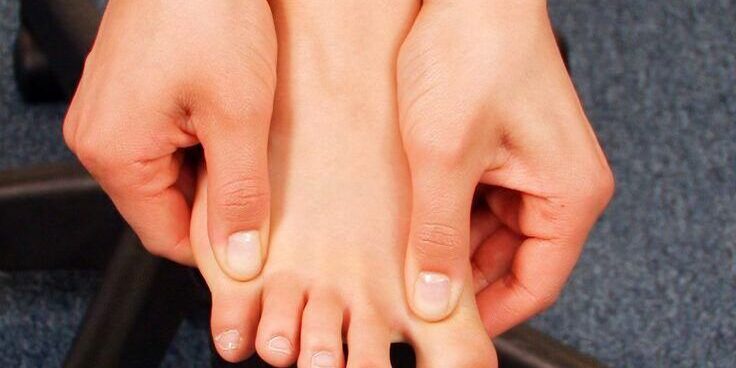
Morton’s neuroma is a thickening of the tissue around a nerve in the ball of your foot, most often between the third and fourth toes. The nerve becomes irritated and inflamed, usually from pressure or repeated stress. Over time, this irritation can cause sharp, burning pain and numbness.
It isn’t a tumor, even though the word “neuroma” sounds alarming. Think of it as an angry, swollen nerve trapped between the long bones of your foot. The condition is common in adults, and it shows up more often in people who wear tight shoes, high heels, or who spend long hours on their feet.
Takeaway: Morton’s neuroma is a benign but painful nerve problem in the forefoot, and the good news is that most cases respond well to treatment.
My First Symptoms (An Illustrative Patient Journey)
The story below is an illustrative example based on common patient experiences, not a specific real patient. It’s meant to show how symptoms typically progress.
At first, I thought my new running shoes were just too tight. Then the pain stuck around even in sandals. Looking back, the warning signs were there for weeks before I finally paid attention.
Burning Pain in the Ball of the Foot
The clearest sign was a burning ache right behind my third and fourth toes. It started during long walks and faded with rest. Within a month, it lingered after I sat down, almost like a hot spot that wouldn’t cool off.
Tingling Between the Toes
Next came a strange tingling, like pins and needles, in the web space between my toes. Sometimes the area went numb. I’d shake my foot out the way you do when your leg falls asleep, but the feeling kept returning.
Feeling Like Walking on a Pebble
The symptom that finally pushed me to act was the sense that a small stone was stuck under the ball of my foot. I checked my shoe a dozen times. There was nothing there. That “phantom pebble” feeling is one of the most recognizable signs of Morton’s neuroma.
Takeaway: Burning pain, tingling, numbness, and a pebble-like sensation in the forefoot are classic early symptoms worth taking seriously.
How Was My Morton’s Neuroma Diagnosed?
I scheduled a visit with a foot and ankle specialist after the pebble feeling wouldn’t go away. The diagnosis turned out to be more straightforward than I expected.
The exam started with a careful history and a physical check. The specialist pressed on the ball of my foot and squeezed the sides together. This often produces a click and a jolt of pain, known as Mulder’s sign, and it pointed clearly toward a neuroma.
To confirm the diagnosis and rule out other problems, imaging may be used:
- Ultrasound: A quick, painless scan that shows the nerve thickening in real time. It’s often the first imaging choice because it’s accurate and affordable.
- MRI: A detailed scan used when the picture is unclear or when a surgeon needs to measure the neuroma’s exact size and location.
Getting an accurate diagnosis matters. Several conditions, like stress fractures, bursitis, and arthritis, can mimic a neuroma. A foot and ankle specialist can tell them apart and steer you toward the right treatment.
Takeaway: Diagnosis usually combines a hands-on exam with ultrasound or MRI to confirm Morton’s neuroma and rule out look-alike conditions.
What Treatments Did I Try?
My specialist explained that most people improve with conservative care first. Surgery is reserved for cases that don’t respond. Here’s the order I worked through, which mirrors what many patients experience.
Wider Toe-Box Shoes
The first change was the simplest. I swapped narrow shoes for ones with a wide, roomy toe box. Giving my toes space took pressure off the irritated nerve almost immediately. I retired my pointed dress shoes and tight sneakers for good.
Orthotics and Metatarsal Pads
Custom orthotics helped redistribute the weight across my foot instead of concentrating it on the painful spot. A metatarsal pad, placed just behind the ball of the foot, lifted and spread the bones to relieve the nerve. These two tools made a noticeable difference within a few weeks.
Activity Modification
I cut back on high-impact activities for a while. Running on pavement and long days standing made the pain flare. I switched to swimming and cycling, which kept me active without pounding the forefoot. This wasn’t permanent, just a reset to let the nerve calm down.
Anti-Inflammatory Treatment
Over-the-counter anti-inflammatory medication, used as directed, eased the swelling and took the edge off during flare-ups. Icing the ball of my foot after activity helped too. These steps managed symptoms but didn’t fix the root problem on their own.
Cortisone Injection
When the shoe changes, orthotics, and rest only got me part of the way, my specialist recommended a corticosteroid injection. This delivers anti-inflammatory medication directly to the irritated nerve. For me, it brought significant relief and broke the cycle of pain that had stalled my progress.
Corticosteroid injections work well for many patients, though the number of injections is limited to protect the surrounding tissue. Your specialist will explain what’s appropriate for your situation.
Takeaway: Conservative care, including footwear changes, orthotics, metatarsal pads, rest, anti-inflammatories, and corticosteroid injections, resolves the majority of Morton’s neuroma cases.
What Finally Helped Me Recover?
For me, the turning point was a combination, not a single fix. The corticosteroid injection calmed the nerve enough that the orthotics and metatarsal pads could do their job. The wider shoes kept the pressure off long term.
That layered approach matters. A neuroma flares because of ongoing irritation. Remove the pressure, reduce the inflammation, and support the foot properly, and the nerve often settles down for good. Once the pain dropped, I gradually returned to running, this time in well-fitted shoes with my orthotics in place.
Takeaway: Lasting relief usually comes from combining several treatments rather than relying on one alone.
How Long Did Recovery Take?
Recovery timelines vary, and yours depends on how early you start treatment and how your body responds. Here’s a realistic range based on common experiences:
- First 2–4 weeks: Noticeable relief from footwear changes, orthotics, and rest.
- 4–8 weeks: Steady improvement, especially after a corticosteroid injection if one is used.
- 3–6 months: Many people feel close to normal and resume regular activity with the right shoes and support.
Some people improve faster, and stubborn cases take longer. The earlier you address the nerve irritation, the shorter your recovery tends to be.
Takeaway: Most patients see meaningful improvement within weeks and substantial recovery within a few months of consistent treatment.
When Should You See an Orthopedic Specialist?
Mild forefoot pain sometimes settles with rest and better shoes. But certain signs mean it’s time to see a foot and ankle specialist:
- Pain that lasts more than a few weeks despite shoe changes
- Numbness or tingling that keeps returning
- The pebble sensation that interferes with walking
- Pain that disrupts your sleep or daily activities
- Symptoms that worsen instead of improving
Waiting too long can allow the nerve to become more sensitized, which makes treatment harder. Early evaluation gives you more options and better outcomes.
What Happens If Morton’s Neuroma Is Left Untreated?
Ignoring a neuroma rarely makes it disappear. Left untreated, the nerve irritation often grows worse over time. Pain can become more constant, numbness can spread, and you may start changing how you walk to avoid it.
That altered gait can create new problems in your knees, hips, and back. The longer the nerve stays irritated, the higher the chance of chronic, harder-to-treat pain. This is why early diagnosis and treatment are so valuable.
Takeaway: Untreated Morton’s neuroma tends to worsen and can lead to chronic pain and secondary joint problems, so prompt care is worth it.
Can Morton’s Neuroma Go Away Without Surgery?
Yes, in many cases. The majority of people manage Morton’s neuroma successfully without surgery. Conservative treatment, including wider shoes, orthotics, metatarsal pads, activity changes, and corticosteroid injections, resolves symptoms for a large share of patients.
Surgery isn’t the only path to lasting relief. It becomes the right choice only when conservative care has been given a fair trial and symptoms still interfere with daily life.
When Is Surgery Necessary?
Surgery is considered when:
- You’ve tried conservative treatments for several months without enough relief
- Corticosteroid injections provide only short-term improvement
- The pain continues to limit your work, exercise, or quality of life
The most common procedure removes the affected portion of the nerve or releases the tissue compressing it. A foot and ankle specialist will discuss which approach fits your anatomy and goals. Surgery for Morton’s neuroma has a high success rate, with most patients reporting significant or complete relief.
Takeaway: Surgery is reserved for cases that don’t respond to conservative care, and it offers reliable, lasting relief for those patients.
Recovery After Surgery
If surgery becomes necessary, recovery is usually well-tolerated. Here’s what a typical timeline looks like:
- First 1–2 weeks: Limited walking, often in a surgical shoe or boot, with the foot kept elevated to reduce swelling.
- 2–6 weeks: Gradual return to regular shoes and light activity as the incision heals.
- 6–12 weeks: Most people resume normal activities, with full nerve healing continuing over a few months.
Some numbness in the area is normal after nerve surgery and often fades with time. Following your specialist’s instructions on rest, footwear, and activity is the best way to protect your result.
Takeaway: Recovery after Morton’s neuroma surgery generally takes a few weeks for daily activity and a few months for full healing.
Morton’s Neuroma Treatment in Texas
Patients across Texas have access to experienced orthopedic foot and ankle care close to home. Whether you live in a major metro area or a smaller community, a qualified specialist can guide you through diagnosis, conservative treatment, and surgical options when needed.
If you’re in Texas and dealing with persistent forefoot pain, you don’t have to live with it. A focused evaluation can identify the cause and start you on a clear treatment plan.
When to See an Orthopedic Surgeon in Houston
Houston patients have strong options for advanced foot and ankle care. Consider scheduling an evaluation with an orthopedic surgeon in Houston if:
- Your pain has lasted more than a few weeks
- Conservative treatments haven’t delivered enough relief
- You want a precise diagnosis with ultrasound or MRI
- You’re weighing whether surgery is the right next step
Seeing a specialist early in Houston means you can start conservative care quickly and keep surgery as a backup rather than a first resort.
Advanced Foot Pain Treatment Options
Modern care for Morton’s neuroma goes well beyond a single approach. A skilled foot and ankle specialist can combine several tools to match your specific case:
- Custom orthotics designed from a precise scan of your foot
- Targeted corticosteroid injections guided by ultrasound for accuracy
- Detailed MRI imaging when surgical planning is needed
- Minimally invasive surgical techniques for stubborn cases
The goal is always the same: relieve your pain, protect your foot, and get you back to the activities you enjoy.
Frequently Asked Questions
How do you permanently get rid of Morton’s neuroma?
Many people achieve lasting relief with conservative care, including wider shoes, orthotics, metatarsal pads, activity changes, and corticosteroid injections. When these don’t work, surgery to remove or release the affected nerve provides a permanent solution for most patients.
What is the fastest way to relieve Morton’s neuroma pain?
The quickest relief usually comes from removing pressure on the nerve. Switch to wide, low-heeled shoes, add a metatarsal pad, rest from high-impact activity, and use anti-inflammatory measures like icing. A corticosteroid injection can speed relief when symptoms are stubborn.
Can walking make Morton’s neuroma worse?
Walking long distances in tight or unsupportive shoes can aggravate the nerve and increase pain. Walking itself isn’t harmful, but the wrong footwear and excessive forefoot pressure can worsen symptoms. Proper shoes and orthotics let most people stay active comfortably.
What shoes are best for Morton’s neuroma?
Look for shoes with a wide toe box, low heels, good arch support, and a cushioned sole. Avoid pointed toes, high heels, and tight-fitting styles. Adding a metatarsal pad or custom orthotic improves comfort further.
Is Morton’s neuroma surgery successful?
Yes. Surgery for Morton’s neuroma has a high success rate, with most patients reporting significant or complete pain relief. Some temporary numbness near the toes is normal afterward and often improves over time.
Key Takeaways
- Morton’s neuroma is a benign but painful nerve thickening in the ball of the foot, often between the third and fourth toes.
- Classic symptoms include burning pain, tingling, numbness, and a pebble-like sensation under the forefoot.
- Diagnosis combines a physical exam with ultrasound or MRI to confirm the neuroma and rule out other causes.
- Most cases improve with conservative care: wider shoes, orthotics, metatarsal pads, activity changes, anti-inflammatories, and corticosteroid injections.
- Surgery is reserved for cases that don’t respond and has a high success rate.
- Early diagnosis by a foot and ankle specialist leads to faster recovery and lowers the risk of chronic pain.
Schedule an Evaluation with Dr. Hasan Syed
You don’t have to keep guessing about the pain in the ball of your foot. If burning, tingling, or that nagging pebble sensation is slowing you down, an accurate diagnosis is the first step toward lasting relief.
Dr. Hasan Syed provides expert orthopedic foot and ankle care, from precise diagnosis with ultrasound and MRI to custom orthotics, corticosteroid injections, and advanced surgical options when needed. Whether you’re in Houston or elsewhere in Texas, a focused evaluation can put you on a clear path to recovery.
Schedule your evaluation with Dr. Hasan Syed today and take the first step toward pain-free movement.