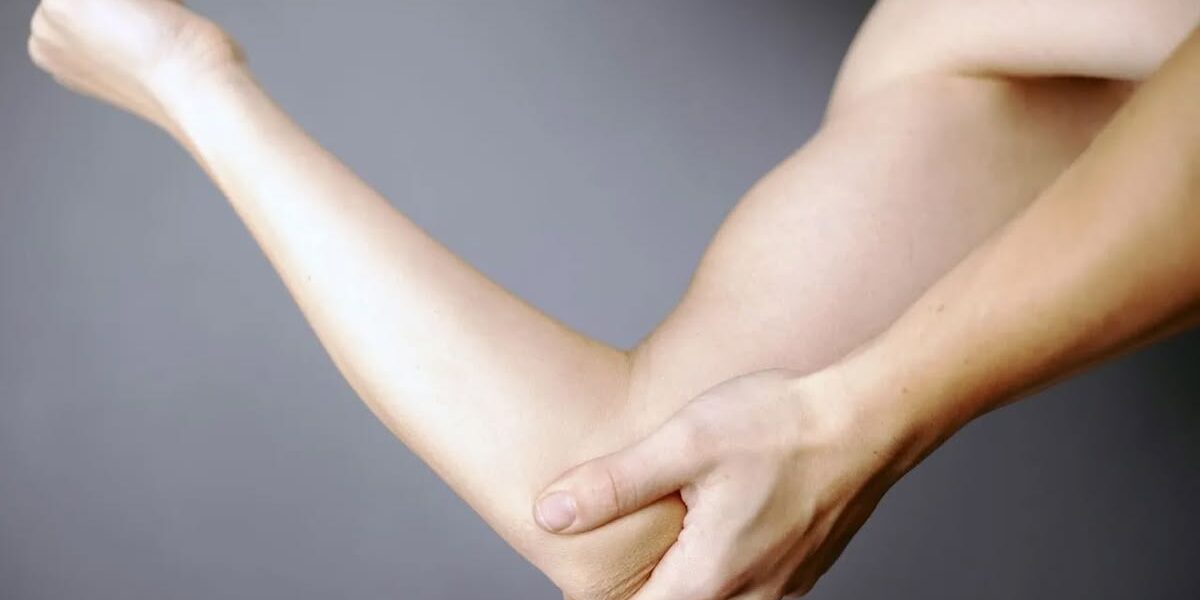
Golfer’s elbow is a condition that causes pain and tenderness on the inner side of the elbow. The medical name is medial epicondylitis, and despite the name, you don’t have to play golf to develop it. Many people who have never picked up a club deal with this problem every year.
If you’ve noticed nagging inner elbow pain that gets worse when you grip, lift, or twist, you’re in the right place. This guide explains what golfer’s elbow is, why it happens, how it’s diagnosed, and the treatment and recovery options available. For personalized concerns, it’s always wise to consult a qualified physician, such as a board-certified specialist in musculoskeletal and pain conditions, who can evaluate your specific situation.
The good news: most cases respond well to conservative, non-surgical care. Here’s what you need to know.
What Is Golfer’s Elbow?
Golfer’s elbow is an overuse injury affecting the tendons that connect your forearm muscles to a bony bump on the inner side of your elbow. That bump is called the medial epicondyle, which is where the condition gets its clinical name, medial epicondylitis.
These tendons control how you flex your wrist and fingers. When they’re overloaded by repeated stress, tiny areas of irritation or small tears can develop. The result is elbow tendon pain that often radiates down the inner forearm.
Golfer’s elbow is closely related to tennis elbow, but the two affect opposite sides of the joint. We’ll cover that difference in detail below.
What Causes Golfer’s Elbow?
Golfer’s elbow is usually caused by repetitive stress on the forearm tendons. The condition develops gradually as the same motions are performed over and over, giving the tendons little time to recover.
Common contributing activities include:
- Gripping and swinging motions, such as golf, racquet sports, or throwing
- Repetitive lifting or carrying, especially with the palm facing up
- Forceful wrist and finger movements, like using hand tools or hammering
- Occupational tasks, including painting, plumbing, carpentry, or assembly-line work
- Weight training with heavy gripping or improper form
Age and general tendon health also play a role. Tendons naturally lose some flexibility over time, which can make them more vulnerable to irritation. Sudden increases in activity, without proper conditioning, are another frequent trigger.
What Are the Symptoms of Golfer’s Elbow?
The main symptom of golfer’s elbow is pain and tenderness on the inner side of the elbow. This inner elbow pain may stay localized or spread down the forearm toward the wrist.
Common golfer’s elbow symptoms include:
- Pain when you flex your wrist or make a fist
- Tenderness at the bony bump on the inside of the elbow
- A weaker grip, or trouble holding objects
- Stiffness in the elbow, especially in the morning
- Pain that worsens with gripping, lifting, or twisting motions
- Occasional numbness or tingling into the ring and little fingers
Symptoms often begin mild and build slowly. Some people notice discomfort only during specific activities, while others feel it throughout the day.
If the pain is sharp, sudden, or follows a direct injury, that’s a signal to have it evaluated promptly.
Who Is at Risk of Developing Golfer’s Elbow?
Anyone who performs repetitive arm and wrist movements is at higher risk of golfer’s elbow. It’s most common in adults between the ages of 40 and 60, though it can affect younger, active people too.
Risk factors include:
- Sports involvement, particularly golf, tennis, baseball, and rowing
- Manual labor jobs with frequent gripping or repetitive motion
- Poor technique during sports or lifting
- Inadequate warm-up or conditioning
- Smoking and certain health conditions, which can affect tendon healing
Being in a higher-risk group doesn’t mean you’ll develop the condition. It simply means paying closer attention to warning signs and prevention is worthwhile.
How Is Golfer’s Elbow Diagnosed?
Golfer’s elbow is usually diagnosed through a physical exam and a review of your symptoms and activity history. No single lab test confirms it, so a clinician relies on hands-on assessment.
During the exam, your provider may:
- Press on the inner elbow to check for tenderness at the medial epicondyle.
- Ask you to flex your wrist against resistance to see if it reproduces the pain.
- Test your grip strength and range of motion.
- Review your daily activities to identify possible repetitive triggers.
Imaging isn’t always needed. In some cases, an X-ray, ultrasound, or MRI may be ordered to rule out other problems, such as arthritis, a fracture, or nerve involvement. Your provider will decide whether imaging is appropriate for your situation.
Golfer’s Elbow vs. Tennis Elbow
Golfer’s elbow and tennis elbow are similar conditions that affect different sides of the elbow. Both involve tendon irritation from overuse, but the location of the pain sets them apart.
- Golfer’s elbow (medial epicondylitis): Pain on the inner side of the elbow, affecting the tendons that flex the wrist.
- Tennis elbow (lateral epicondylitis): Pain on the outer side of the elbow, affecting the tendons that extend the wrist.
The distinction matters because it guides which muscles and tendons a treatment or exercise program should target. If you’re unsure which one you have, a hands-on exam is the clearest way to tell.
How Is Golfer’s Elbow Treated?
Golfer’s elbow treatment usually starts with conservative, non-surgical care. The main goals are to reduce pain, calm tendon irritation, and gradually restore strength.
Common approaches include:
- Rest and activity modification. Step back from the movements that trigger pain to give the tendon time to settle.
- Ice application. Applying a cold pack to the inner elbow may help ease discomfort after activity.
- Over-the-counter pain relief. Some people find short-term relief with medications like acetaminophen or NSAIDs. Check with a pharmacist or clinician about what’s right for you.
- Bracing or a counterforce strap. A supportive strap can reduce stress on the tendon during activity.
- Physical therapy. A structured program of stretching and strengthening is a cornerstone of recovery.
If symptoms persist despite these measures, a clinician may discuss additional options. These can include corticosteroid injections or, in a small number of cases, surgical treatment. These are not right for everyone, and the decision should be made with your provider based on your individual needs.
No single treatment works the same for every patient, and results vary from person to person.
Exercises and Physical Therapy for Golfer’s Elbow
Targeted exercises are a key part of golfer’s elbow recovery. The American Academy of Orthopaedic Surgeons (AAOS) notes that stretching and strengthening programs may be used for medial epicondylitis under appropriate clinical guidance.
Physical therapy typically focuses on:
- Gentle stretching of the forearm flexor muscles
- Progressive strengthening, often including controlled wrist movements
- Grip strengthening as tolerance improves
- Technique correction for sports or work tasks
A common example is a wrist flexor stretch: extend your arm, palm up, and gently pull the fingers back with your other hand until you feel a mild stretch in the forearm.
One rule matters above all: exercises should be appropriate for your condition and should not be pushed through significant pain. If an exercise sharply increases your symptoms, stop and check with a professional. A physical therapist can tailor a program to your specific stage of healing.
How Long Does Golfer’s Elbow Take to Heal?
Most cases of golfer’s elbow improve within several weeks to a few months with consistent conservative care. The exact timeline depends on how severe the condition is and how well the tendon is protected during recovery.
Mild cases may settle in a few weeks. More stubborn cases can take six months or longer, especially if the aggravating activity continues. Patience matters, because returning to full activity too soon is one of the most common reasons symptoms come back.
Tracking your pain levels week to week can help you and your provider judge whether your plan is working.
How Can You Prevent Golfer’s Elbow?
You can lower your risk of golfer’s elbow by reducing repetitive strain on your forearm tendons. Prevention centers on smart habits during sports, work, and exercise.
Helpful steps include:
- Warm up before activities that stress the wrist and forearm.
- Strengthen your forearm muscles to better handle load.
- Use proper technique in sports and lifting.
- Take breaks during repetitive tasks.
- Check your equipment, such as grip size and tool ergonomics.
- Increase activity gradually rather than all at once.
Small adjustments to your daily routine often make the biggest difference over time.
When Should You See a Doctor?
You should see a doctor for elbow pain that is persistent, worsening, or interfering with daily life. Professional evaluation helps confirm the diagnosis and rule out other causes.
Consider seeking care if you notice:
- Pain that doesn’t improve after a few weeks of home care
- Elbow pain that’s severe or came on suddenly
- Swelling, redness, or warmth around the joint
- Numbness, tingling, or weakness in the hand
- Trouble bending or straightening the elbow
Knowing when to see a doctor for elbow pain can prevent a minor issue from becoming a lasting one. A clinician can build a plan matched to your symptoms and goals.
Ready to Get Your Elbow Pain Evaluated?
If inner elbow pain has stuck around, gotten worse, or started limiting what you can do, don’t wait it out alone. A qualified physician can assess your symptoms, confirm whether golfer’s elbow is the cause, and recommend a treatment plan tailored to you. Reach out to a trusted healthcare provider to schedule a professional evaluation.
Frequently Asked Questions About Golfer’s Elbow
What is golfer’s elbow?
Golfer’s elbow, or medial epicondylitis, is an overuse condition that causes pain and tenderness on the inner side of the elbow, where the forearm tendons attach.
What does golfer’s elbow feel like?
It typically feels like aching or tenderness on the inner elbow, often worse with gripping, lifting, or twisting. Some people also notice a weaker grip or tingling in the fingers.
What causes golfer’s elbow?
It’s usually caused by repetitive stress or overuse of the forearm tendons, from activities like sports, manual labor, or frequent gripping motions.
How do you treat golfer’s elbow?
Treatment usually begins with rest, activity modification, ice, supportive bracing, and physical therapy. A clinician can advise on further options if symptoms persist.
How long does golfer’s elbow take to heal?
Many cases improve within several weeks to a few months with consistent care, though more stubborn cases can take longer.
Can golfer’s elbow heal on its own?
Mild cases can improve with rest and activity changes. Ongoing or worsening symptoms usually benefit from professional evaluation and a structured plan.
What exercises help golfer’s elbow?
Gentle forearm stretches and progressive strengthening are commonly used under clinical guidance. Exercises should never be pushed through significant pain.
When should I see a doctor for golfer’s elbow?
See a doctor if the pain is persistent, severe, or accompanied by swelling, numbness, weakness, or difficulty moving the elbow.