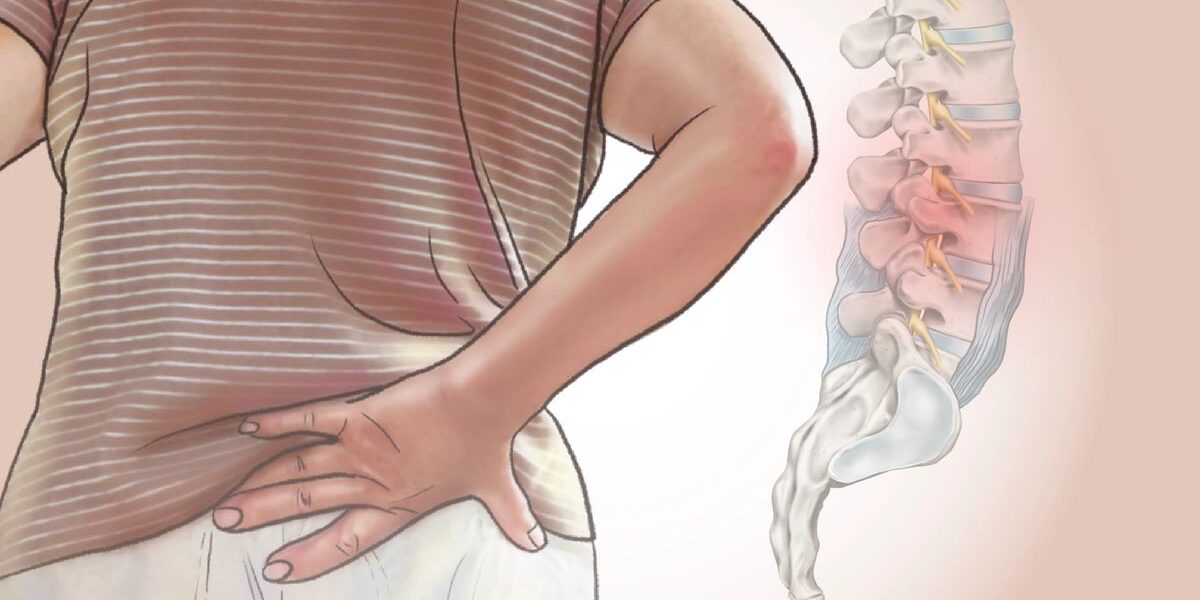
Lower back pain is one of the most common health complaints in the world. It affects the lumbar spine — the section of your spine that supports most of your body weight and handles the strain of bending, twisting, and lifting. Most people will feel it at some point, whether it’s a dull ache after a long day or a sharp twinge that stops you mid-movement.
The causes vary widely. Some are simple and short-lived, like a strained muscle. Others involve the spine, nerves, or, less often, an underlying medical condition. Understanding the likely source helps you know what to do next — and when to get help from a professional.
If you’re dealing with pain that won’t settle, it’s worth learning how a specialist evaluates the spine. You can explore how an experienced orthopaedic and spine care physician approaches diagnosis and treatment, which gives useful context for the causes described below. Keep in mind: this article explains common causes, but it can’t diagnose you. Only a proper clinical evaluation can confirm what’s driving your specific pain.
What Causes Lower Back Pain?
Lower back pain usually comes from strain to the muscles, ligaments, discs, joints, or nerves in the lumbar spine. In many cases, the trigger is a mechanical problem — something structural or movement-related — rather than a serious disease.
Here’s the key point most people miss: the exact cause often can’t be pinpointed. Reputable sources, including the National Institutes of Health, note that many cases of acute low back pain have no clearly identifiable structural cause and improve on their own within a few weeks. That’s normal, and it doesn’t mean something is being missed.
Causes generally fall into four groups:
- Common mechanical causes — muscle strain, poor posture, overuse
- Spine-related causes — disc problems, arthritis, stenosis
- Nerve-related causes — sciatica and nerve compression
- Other medical causes — osteoporosis, kidney issues, infections
The sections below break each one down.
Common Causes of Lower Back Pain
Most lower back pain starts with everyday strain. These causes are the ones you’re most likely to encounter.
Muscle or Ligament Strain
Muscle or ligament strain is the single most common reason for low back pain. It happens when the soft tissues supporting your spine stretch too far or tear slightly, usually after lifting something heavy, an awkward movement, or sudden overexertion. The pain often feels achy or stiff and tends to ease within days to weeks.
Poor Lifting Technique
Poor lifting technique puts sudden, uneven load on your lower back. Lifting with a rounded back instead of bending your knees forces the lumbar muscles and discs to absorb strain they aren’t built for. This is a frequent cause of acute back injuries at work and at home.
Repetitive Movements or Overuse
Repetitive movements wear down the tissues in your lower back over time. Jobs or activities involving constant bending, twisting, or lifting can cause cumulative strain — even without a single dramatic injury.
Poor Posture and Prolonged Sitting
Poor posture and long hours of sitting are a real cause of lumbar pain. Slouching or sitting for extended periods increases pressure on your spinal discs and tires the muscles that hold you upright. Desk workers and drivers are especially prone to this.
Weak Core or Reduced Physical Activity
A weak core leaves your spine without proper support. Your abdominal and back muscles work together to stabilize the lumbar spine. When they’re weak — often from inactivity — your back takes on more stress, raising the risk of pain and injury.
Spine-Related Causes
Some lower back pain traces back to the structures of the spine itself. These causes become more common with age.
Herniated or Bulging Discs
A herniated or bulging disc can cause lower back pain, sometimes with pain that spreads into a leg. Spinal discs are the soft cushions between your vertebrae. When a disc bulges or its inner material pushes out, it can press on nearby nerves. Not every disc bulge causes symptoms — many show up on scans in people with no pain at all.
Degenerative Disc Changes
Degenerative disc changes are the natural wear of spinal discs over time. As discs lose water content and height with age, they cushion less effectively. This can lead to stiffness and aching, though the changes alone don’t always produce pain.
Arthritis
Arthritis can cause lower back pain by affecting the small joints of the spine. Osteoarthritis wears down the cartilage in these facet joints, leading to stiffness and discomfort that often feels worse in the morning or after rest.
Spinal Stenosis
Spinal stenosis is a narrowing of the spaces within the spine that can compress nerves. It’s more common in older adults and may cause pain, numbness, or heaviness in the legs that worsens with standing or walking and eases when you sit or lean forward.
Spondylolisthesis
Spondylolisthesis occurs when one vertebra slips forward over the one below it. This can strain surrounding tissues and, in some cases, press on nerves — causing back pain that may radiate into the legs.
Spinal Fractures
Spinal fractures can cause sudden, severe back pain. They may result from significant trauma, such as a fall or accident, or from weakened bones due to osteoporosis. Fractures need prompt medical evaluation.
Nerve-Related Causes
When a nerve in the lower spine is irritated or compressed, pain often travels beyond the back itself.
Sciatica
Sciatica is pain that radiates along the sciatic nerve, from the lower back into the buttock and down the leg. It’s typically caused by a herniated disc or narrowing that presses on the nerve root. Sciatica describes a symptom, not a diagnosis — it points to an underlying cause that needs identifying.
Nerve Compression
Nerve compression happens when spinal structures press on a nerve. Watch for these signs, which suggest nerve involvement rather than simple muscle strain:
- Pain traveling into the buttock, thigh, or foot
- Numbness or a “pins and needles” tingling
- Weakness in the leg or foot
Persistent or worsening nerve symptoms deserve professional assessment.
Other Possible Causes
Less commonly, lower back pain stems from conditions outside the usual mechanical picture.
- Osteoporosis — a condition that weakens bones, raising the risk of spinal fractures
- Inflammatory spinal conditions — such as ankylosing spondylitis, which causes chronic inflammation and stiffness, often in younger adults
- Kidney-related problems — kidney stones or infections can cause pain felt in the flank or lower back
- Infections or tumors — rare, but serious causes that require urgent care
- Pregnancy or menstrual-related pain — hormonal changes and added weight during pregnancy commonly strain the lower back
These causes are far less frequent than muscle strain, but they matter — which is why lingering or unusual pain should be checked.
Risk Factors That May Increase Your Chance of Lower Back Pain
Certain factors raise your likelihood of developing lumbar pain:
- Age (risk rises after your 30s and 40s)
- A sedentary lifestyle or weak core muscles
- Excess body weight
- Physically demanding or repetitive work
- Smoking, which reduces blood flow to spinal tissues
- Previous back injuries
- Poor posture habits
You can’t change your age — you can address activity level, posture, and lifting habits.
When Is Lower Back Pain a Warning Sign?
Most lower back pain isn’t dangerous. But some symptoms signal a possible emergency. Seek immediate medical care if your back pain comes with any of these red flags:
- New loss of bowel or bladder control
- Significant or worsening weakness or numbness in the legs
- Numbness around the groin or inner thighs
- Fever alongside back pain, which may suggest infection
- Severe pain after a fall, accident, or major trauma
- Unexplained weight loss with ongoing back pain
These are uncommon — but don’t ignore them. Prompt evaluation matters.
How Is the Cause of Lower Back Pain Diagnosed?
Diagnosis starts with your story and a physical exam. A doctor asks about your symptoms, activities, and medical history, then checks your movement, reflexes, and nerve function.
Imaging isn’t always needed early on. When symptoms persist, worsen, or point to something structural, your doctor may order:
- X-rays to view bones and alignment
- MRI or CT scans to see discs, nerves, and soft tissues
- Blood tests if infection or inflammation is suspected
The goal is to match your symptoms to a cause — because treatment depends entirely on what’s driving the pain.
When Should You See a Doctor?
See a doctor if your lower back pain is severe, lasts more than a few weeks, or keeps coming back. You should also seek care if pain radiates down your leg, comes with numbness or weakness, or interferes with daily life.
For any red-flag symptom listed above, don’t wait — get medical attention right away.
Frequently Asked Questions About Lower Back Pain Causes
What is the most common cause of lower back pain?
Muscle or ligament strain is the most common cause. It usually follows lifting, sudden movement, or overexertion and often improves within a few weeks.
Can sitting too much cause lower back pain?
Yes. Prolonged sitting increases pressure on your spinal discs and tires supporting muscles, which can lead to stiffness and pain over time.
Can a herniated disc cause lower back pain?
Yes. A herniated disc can press on nearby nerves, causing back pain that sometimes radiates into the leg. Not all herniated discs cause symptoms, though.
Can stress cause lower back pain?
Yes. Stress can cause muscle tension and tightening in the back, which may trigger or worsen pain. It can also make existing pain feel more intense.
Can kidney problems cause lower back pain?
Yes. Kidney stones or infections can cause pain felt in the flank or lower back, often with other symptoms like fever or changes in urination.
When should I worry about lower back pain?
Worry if pain is severe, persistent, or comes with red flags — loss of bladder or bowel control, leg weakness, numbness, fever, or pain after major trauma. Seek care promptly.
How do doctors find the cause of lower back pain?
Doctors use your history, a physical exam, and — when needed — imaging like X-rays or MRI and blood tests to identify the underlying cause.
Get the Right Answer for Your Back Pain
Most lower back pain improves with time and self-care. But pain that’s persistent, severe, recurring, or paired with concerning symptoms deserves a professional evaluation — because the right treatment depends on the right diagnosis.
If your back pain isn’t going away, connect with a qualified healthcare provider. To understand how a specialist assesses and manages spine conditions, learn more about expert orthopaedic and spine care and take the next step toward relief.