A herniated disc happens when the soft inner material of a spinal disc pushes through a weakened or torn outer layer. When that displaced material presses on a nearby nerve, it can trigger pain, numbness, tingling, or weakness—sometimes far from the spine itself, like down an arm or leg.
If you’ve been dealing with back pain that won’t ease up, or shooting pain that travels into a limb, understanding what’s happening can help you make better decisions about care. This guide explains what a herniated disc is, how it’s diagnosed, and the treatment options available—from simple activity changes to, in rare cases, surgery. For persistent or severe symptoms, a consultation with an experienced spine specialist can help clarify what’s driving your pain and what to do next.
Here’s what to know.
What Is a Herniated Disc?
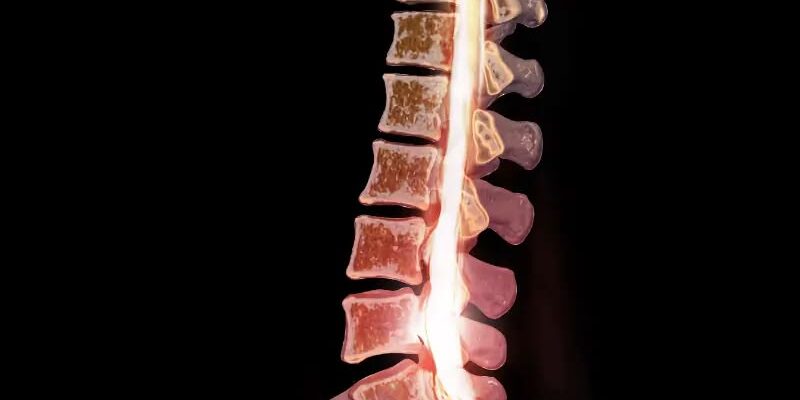
A herniated disc is a spinal disc that has partially ruptured, allowing its inner material to push outward. Your spine is cushioned by discs that sit between the bones (vertebrae). Each disc has a tough outer ring and a soft, gel-like center. When the outer ring weakens or tears, the inner gel can bulge or leak out—this is a disc herniation.
You may also hear it called a slipped disc, a herniated disk, or a ruptured disc. These terms describe the same problem.
The trouble usually isn’t the disc itself. It’s what the displaced material presses against: nearby nerves. This pressure—called nerve compression—is what produces many of the symptoms people notice.
What Causes a Herniated Disc?
Most herniated discs come from gradual wear on the spine over time, not a single dramatic injury. As you age, spinal discs lose water content and become less flexible, making the outer layer easier to tear.
Common contributing factors include:
- Age-related disc changes (most common in adults between 30 and 55)
- Repetitive strain from lifting, twisting, or bending
- Improper lifting technique, especially using the back instead of the legs
- Excess body weight, which adds load to the lower spine
- Sudden injury or a heavy fall
- Genetics, which can make some people more prone to disc problems
- Smoking, which may reduce disc health over time
A single wrong movement can be the final trigger. But the groundwork is often laid by years of gradual change.
Common Symptoms of a Herniated Disc
Symptoms of a herniated disc depend on where it sits and whether it presses on a nerve. Some people have severe pain; others have a herniated disc and never notice it at all.
The most frequently reported symptoms include:
- Back or neck pain near the affected disc
- Radiating pain that travels into an arm or leg
- Numbness or tingling in the area served by the compressed nerve
- Muscle weakness, which may affect grip or make a leg feel unsteady
- Pain that worsens with certain movements, sitting, coughing, or straining
Symptoms vary widely from person to person. A large herniation may cause little discomfort, while a smaller one pressing directly on a nerve can be quite painful.
Where Can a Herniated Disc Cause Pain?
A herniated disc causes symptoms based on its location along the spine. The same condition can feel completely different depending on which nerves are involved.
Lower back (lumbar spine). This is the most common location. A herniated disc here can cause sciatica—pain that runs from the lower back through the buttock and down the leg. You may also feel numbness or weakness in the leg or foot.
Neck (cervical spine). A herniated disc in the neck can cause neck pain along with pain, tingling, or weakness that travels into the shoulder, arm, or hand.
Mid-back (thoracic spine). Herniation here is less common and may cause pain that wraps around the chest or upper back.
Nerve pain often follows a predictable path. That pattern helps a clinician pinpoint which disc is involved.
Herniated Disc vs. Bulging Disc
A herniated disc and a bulging disc are related but not identical. A bulging disc pushes outward while its outer layer stays intact. A herniated disc involves a tear, allowing inner material to escape.
Think of it this way:
- Bulging disc: the disc extends beyond its normal boundary, like an underinflated tire spreading out—but the wall holds.
- Herniated disc: the outer wall cracks, and the inner gel pushes through.
Because a herniated disc can leak material directly against a nerve, it’s more likely to cause radiating pain, numbness, or weakness. Bulging discs are common and frequently cause no symptoms at all.
How Is a Herniated Disc Diagnosed?
A herniated disc is diagnosed through a physical exam combined with imaging when needed. Your provider will ask about your symptoms and check your reflexes, muscle strength, and areas of numbness to identify which nerve may be affected.
The diagnostic process typically includes:
- Review your history. Your provider asks when symptoms started, what makes them worse, and how they spread.
- Perform a physical exam. Strength, reflex, and sensation tests help locate the involved nerve.
- Order imaging if necessary. An MRI (magnetic resonance imaging) is the most detailed way to view soft tissues like discs and nerves. X-rays or a CT scan may be used to rule out other causes.
Imaging isn’t always required upfront. Many herniated discs improve before advanced testing becomes necessary.
How Is a Herniated Disc Treated?
Most herniated discs are treated without surgery. The goal of nonsurgical treatment is to relieve pain, reduce nerve irritation, and help you return to normal activity.
Common conservative approaches include:
- Activity modification. Short-term rest from aggravating movements, followed by a gradual return to activity. Extended bed rest is generally discouraged.
- Physical therapy. Guided exercises to strengthen supporting muscles, improve posture, and reduce pressure on the nerve.
- Medications. Over-the-counter or prescribed options may help manage pain and inflammation when medically appropriate. Your provider will determine what’s suitable for you.
- Ice and heat. Simple at-home methods that can ease discomfort during flare-ups.
- Injections. In some cases, a corticosteroid injection near the affected nerve may reduce inflammation.
Treatment is personal. What works well for one person may not suit another, which is why an individualized plan from a qualified professional matters.
Can a Herniated Disc Heal Without Surgery?
Yes—many herniated discs improve without surgery. Research and clinical experience show that a large share of people recover with conservative care over a period of weeks to a few months.
The body can gradually reabsorb some of the displaced disc material, and inflammation around the nerve often settles with time and appropriate treatment. Physical therapy and activity adjustments support that natural process.
Recovery timelines differ. Some people feel better within a few weeks; others need several months. If symptoms don’t improve—or start getting worse—that’s the signal to reassess with your provider.
When Is Surgery Needed?
Surgery for a herniated disc is considered only in specific situations. Most people never need it. Spinal surgery may become an option when significant symptoms persist despite appropriate nonsurgical treatment, or when nerve problems are severe enough to require faster intervention.
Surgery is more likely to be recommended when:
- Pain remains disabling after weeks or months of conservative care
- Muscle weakness is progressing
- Numbness or nerve symptoms are worsening
- Daily function is severely limited
The most common procedure removes the portion of the disc pressing on the nerve. A spine specialist can explain whether surgery fits your situation and what the realistic expectations are.
When to Seek Urgent Medical Attention
Certain symptoms need immediate medical evaluation, not a wait-and-see approach. These may signal serious nerve compression.
Seek urgent care right away if you experience:
- Loss of bladder or bowel control
- Numbness around the groin, buttocks, or inner thighs (the “saddle” area)
- Sudden or rapidly worsening weakness in the legs
- Severe, escalating symptoms in both legs
These warning signs can point to a condition that requires prompt treatment to protect nerve function. Don’t delay if any of them appear.
Frequently Asked Questions About Herniated Discs
What does a herniated disc feel like?
It often feels like sharp or burning pain near the spine, sometimes with pain, numbness, or tingling that travels into an arm or leg. Some people feel muscle weakness in the affected limb.
How long does a herniated disc take to heal?
Many people improve within four to six weeks, though some cases take several months. Recovery depends on the severity and your response to treatment.
Can I exercise with a herniated disc?
Gentle, guided movement often helps. Avoid heavy lifting or high-impact activity until a professional confirms it’s safe, and follow any physical therapy plan you’ve been given.
Is a herniated disc the same as a slipped disc?
Yes. “Slipped disc” is a common informal term for the same condition. The disc doesn’t actually slip—its inner material pushes through the outer layer.
Does a herniated disc always cause pain?
No. Some herniated discs cause no symptoms and are discovered only during imaging for another reason.
Can a herniated disc come back after healing?
It can. Maintaining good posture, core strength, and safe lifting habits lowers the chance of a repeat herniation.
Should I get an MRI for back pain?
Not always. Imaging is usually reserved for symptoms that are severe, persistent, or accompanied by nerve problems. Your provider will decide if it’s needed.
Conclusion
A herniated disc is a common and often manageable condition. Most people recover with nonsurgical treatment such as activity changes, physical therapy, and appropriate pain management—and surgery is reserved for the minority of cases where it’s truly needed. The right path depends on your symptoms, their severity, and how you respond to care.
If you’re dealing with ongoing back pain, neck pain, numbness, tingling, or muscle weakness, don’t wait for it to worsen. Schedule an evaluation with a qualified spine specialist who can assess your symptoms, confirm the cause, and build a treatment plan suited to you. Getting an accurate diagnosis early is the most reliable step toward lasting relief.