
Elbow pain usually comes from one of two places: the joint itself or the nearby tissues that surround it, including tendons, muscles, ligaments, and nerves. Many people expect a single cause, but the truth is that overuse, minor injuries, arthritis, tendon problems, and nerve irritation can all lead to pain in and around the elbow. The type and location of your discomfort can offer clues, but only a medical evaluation can confirm the real reason.
If your pain keeps coming back or feels severe, it’s worth speaking with a qualified specialist. You can learn more about professional evaluation and care through the orthopedic and pain management resources at Hasan Syed MD. This article walks you through the most common causes, what the symptoms may feel like, and when it’s time to get checked out.
Quick Answer: Why Do My Elbow Joints Hurt?
Your elbow joints may hurt because of overuse, repetitive movements, tendon irritation, bursitis, sprains, arthritis, an old injury, or nerve compression. Less often, gout, inflammatory conditions, or infection can be involved. Because several structures work together in the elbow, pinpointing the source usually requires a professional assessment.
Common Reasons for Elbow Joint Pain
The elbow is a hardworking joint. It bends, straightens, and rotates, and it handles a lot of strain during daily tasks. Here are the causes people run into most often.
- Overuse and repetitive movements: Repeated gripping, lifting, or twisting can strain the tissues around the elbow.
- Tennis elbow (lateral epicondylitis): Pain on the outer elbow, often from repetitive wrist and forearm use.
- Golfer’s elbow (medial epicondylitis): Pain on the inner elbow, linked to gripping and flexing motions.
- Elbow bursitis: Swelling of the fluid-filled sac at the tip of the elbow, sometimes causing a puffy, tender bump.
- Sprains and strains: Stretched or torn ligaments or muscles after a sudden movement or awkward fall.
- Tendinitis or tendon irritation: Inflammation of the tendons that connect muscle to bone.
- Arthritis: Wear-and-tear or inflammatory forms that affect the joint surface.
- Previous injuries: Old fractures or dislocations that continue to cause discomfort.
- Nerve irritation or cubital tunnel syndrome: Compression of the ulnar nerve, which can trigger tingling into the hand.
- Gout or inflammatory conditions: Buildup of uric acid or immune-related inflammation.
- Infection: Less common, but important, especially with redness, warmth, and fever.
Location matters. Outer-elbow pain often points toward tennis elbow, while inner-elbow pain leans toward golfer’s elbow. Still, these patterns only hint at the cause and can’t replace a proper diagnosis.
How Elbow Pain May Feel
Elbow pain shows up in many ways. You might notice one symptom or several together.
- Aching or sharp pain
- Pain when bending or straightening the elbow
- Discomfort during lifting or gripping
- Swelling around the joint
- Stiffness, especially in the morning
- Tenderness to the touch
- Weakness in the arm or grip
- Clicking, catching, or limited movement
- Numbness or tingling traveling into the forearm, hand, or fingers
Tracking how your symptoms behave, when they flare up and what eases them, gives your doctor useful information.
Elbow Pain From Overuse
Overuse is one of the leading reasons for elbow joint pain. Repeated motions add up over time, gradually irritating tendons and muscles.
Common triggers include:
- Repetitive gripping and lifting
- Racket and throwing sports
- Long hours at a keyboard or mouse
- Manual labor and tool use
- Frequent twisting of the wrist and forearm
Here’s a point that surprises many people: tennis elbow can affect those who have never played tennis. Painters, plumbers, cooks, and office workers develop it too. Any activity that repeatedly loads the forearm tendons can lead to this condition.
Could Arthritis Cause Elbow Pain?
Yes, arthritis can affect the elbow, though it isn’t the cause of every sore joint. Two main types are worth knowing.
Osteoarthritis
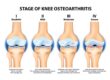
This is the “wear-and-tear” form. The smooth cartilage inside the joint breaks down over time, which can cause pain, stiffness, and a grinding sensation during movement.
Inflammatory arthritis
Conditions like rheumatoid arthritis occur when the immune system attacks the joint lining. This can lead to swelling, warmth, stiffness, and reduced range of motion, sometimes in both elbows at once.
Arthritis symptoms often include a gradual loss of full bending or straightening. But swelling and stiffness can also point to other issues, so elbow pain doesn’t automatically mean you have arthritis. A clinical exam and imaging help sort it out.
When Should You See a Doctor?
Mild elbow pain often settles with rest and gentle care. Certain signs, however, call for a professional look.
Schedule a routine evaluation if you notice:
- Pain that lasts more than a couple of weeks
- Discomfort that returns whenever you resume an activity
- Stiffness or weakness that affects daily tasks
- Pain that doesn’t improve with appropriate home care
Seek urgent or emergency attention if you experience:
- Severe pain or an elbow that looks deformed
- Significant swelling or bruising
- Inability to move or use the elbow
- Numbness or weakness in the arm or hand
- Spreading redness, warmth, or a fever with elbow pain
- Pain following a hard fall or major injury
Redness, warmth, and fever together may signal an infection, which needs prompt care. When in doubt, it’s safer to get checked.
How Is Elbow Pain Diagnosed?
There’s no one-size-fits-all test. A healthcare professional chooses the right approach based on your history and symptoms. The process may include:
- Medical history: Questions about your activities, injuries, and how the pain started.
- Physical examination: Checking for tenderness, swelling, and warmth.
- Range-of-motion testing: Seeing how far you can bend and straighten the joint.
- Strength and nerve assessment: Looking for weakness, tingling, or nerve involvement.
- X-rays: Useful for spotting fractures, arthritis, or bone changes.
- Ultrasound or MRI: Reserved for selected cases to view soft tissues and tendons.
- Blood tests: Ordered when gout, infection, or inflammatory arthritis is suspected.
The goal is to match the test to the suspected cause, not to run everything at once.
What Can Help Mild Elbow Pain?
Many minor cases improve with simple, sensible steps. These general measures may help while you monitor your symptoms:
- Rest from the movements that make it worse
- Avoid repetitive strain and heavy gripping for a while
- Apply ice wrapped in a cloth for short periods to ease swelling
- Move gently within a comfortable range once the sharp pain eases
- Return gradually to normal activity rather than all at once
- Consider physical therapy if a professional recommends it
- Use pain relief only when it’s medically appropriate for you
A quick note on medication: this article won’t suggest specific drugs or doses. If you’re unsure what’s safe for your situation, ask a pharmacist or doctor before taking anything.
Prevention Tips
You can lower your risk of future elbow pain with a few smart habits.
- Warm up before exercise or sports
- Use proper technique when lifting or playing
- Avoid sudden jumps in training intensity or workload
- Take regular breaks during repetitive tasks
- Improve your workstation ergonomics, especially desk and mouse setup
- Strengthen and stretch your forearm and arm muscles
- Wear protective gear when your activity calls for it
Small adjustments to how you move and work often make a big difference over time.
Frequently Asked Questions
Why do my elbow joints hurt without an injury?
Elbow pain without an obvious injury often comes from overuse, tendon irritation, arthritis, or nerve compression. Repetitive daily movements can strain the joint gradually, so pain may appear without a single memorable event.
What causes elbow pain when bending or straightening the arm?
Pain during bending or straightening may point to tendinitis, tennis or golfer’s elbow, bursitis, or arthritis. Stiffness with these movements can also reflect joint inflammation. A physical exam helps identify the cause.
Can arthritis cause pain in the elbow joint?
Yes. Both osteoarthritis and inflammatory arthritis can affect the elbow, causing pain, stiffness, swelling, and reduced range of motion. However, elbow pain has many causes, so arthritis should be confirmed by a professional.
How do I know if my elbow pain is serious?
Warning signs include severe pain, significant swelling, deformity, numbness, weakness, spreading redness, or fever. Pain after a major injury or pain that won’t improve with home care also deserves prompt evaluation.
When should I see a doctor for elbow pain?
See a doctor if pain is severe, persistent, or worsening, or if you notice swelling, weakness, numbness, or signs of infection. Get urgent care for a deformed elbow or pain after a serious fall.
Your Next Step
Use your symptoms as a guide. If your pain is mild and recent, rest, ice, and activity changes are reasonable first steps while you keep an eye on how things feel. If the pain lingers, returns, or comes with swelling, weakness, numbness, or signs of infection, it’s time to get a professional opinion rather than wait it out.
Persistent or concerning elbow pain deserves a proper diagnosis so you can treat the real cause and protect your long-term mobility. To understand your options and connect with experienced care, explore the expert evaluation and treatment resources at Hasan Syed MD. Getting answers early can help you move comfortably again with confidence.
This article is for general educational purposes and is not a substitute for individualized medical advice. Always consult a qualified healthcare professional about your specific symptoms.