The glutes are the three gluteal muscles of the buttocks that help move and stabilize your hips and pelvis. They form the powerful muscle group at the back of your hips, and they play a role in nearly every step, squat, and stand you make throughout the day. Whether you are an athlete, a busy professional, or someone recovering from an injury, understanding these muscles can help you move better and stay active.
This guide explains what the glutes are, where they sit, what they do, and why they matter. If you ever experience persistent hip or lower-body pain, working with an orthopedic specialist can help you find the cause and the right path forward. The information below is educational and is not a substitute for personal medical advice.
What Are Glutes?
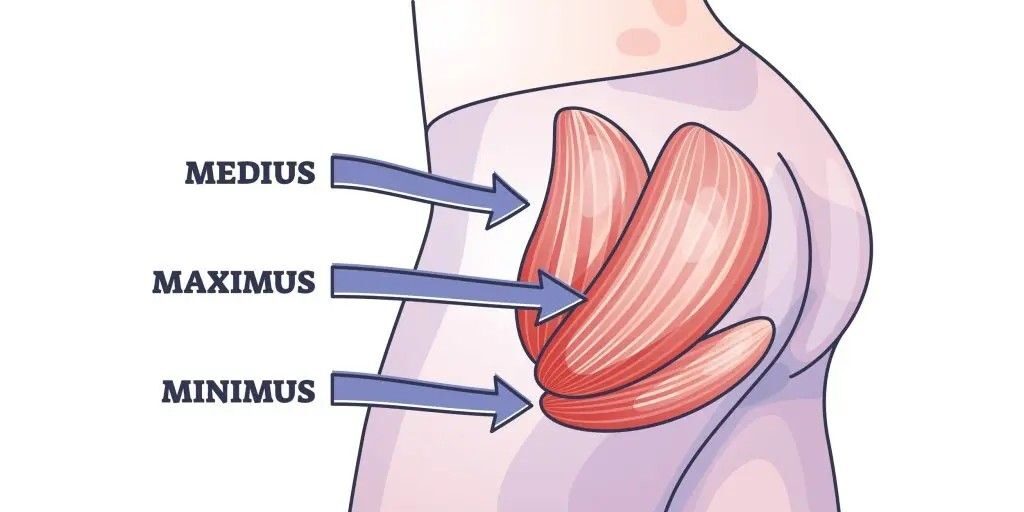
The glutes, short for the gluteal muscles, are a group of three muscles located in your buttocks. They sit over the back and side of your pelvis and connect to your hip and thigh bones. Together, they create the shape of your seat and generate much of your lower-body strength.
These hip muscles matter because they drive powerful movements like standing up, climbing stairs, and running. They also keep your pelvis level and steady while you walk. When the glutes work well, your hips, knees, and lower back tend to move more smoothly.
What Are the Three Main Glute Muscles?
The gluteal group includes three distinct muscles. Each has its own size, position, and job.
Gluteus Maximus
The gluteus maximus is the largest and most superficial of the three. It is the muscle you sit on, and it is one of the strongest muscles in the entire body. Its main role is hip extension, which means pushing your thigh backward. This action powers movements like standing from a chair, jumping, sprinting, and climbing.
Gluteus Medius
The gluteus medius sits higher on the side of your hip, partly beneath the maximus. Its primary job is hip abduction, or lifting your leg out to the side. Just as important, it keeps your pelvis stable when you stand on one leg, such as during each step you take while walking.
Gluteus Minimus
The gluteus minimus is the smallest and deepest of the three, tucked below the medius. It works closely with the gluteus medius to support hip abduction and pelvic stability. It also helps rotate the hip and fine-tune balance during movement.
What Do the Glutes Do?
The glutes are movement muscles and stability muscles at the same time. They handle several key functions:
- Hip extension: Driving your thigh backward for standing, walking, and running.
- Hip abduction: Moving your leg out to the side.
- Hip rotation: Turning your thigh inward and outward.
- Pelvic stability: Keeping your pelvis level when you stand on one leg.
- Walking and running: Propelling you forward and controlling each stride.
- Climbing stairs: Lifting your body weight step after step.
- Squatting and lifting: Powering the movement as you rise from a low position.
In short, the gluteal muscles help control proper lower-body movement from your hips down to your knees. When they fire correctly, the whole chain of motion works more efficiently.
Why Are Strong Glutes Important?
Strong glutes support far more than athletic goals. They form a foundation for everyday movement and long-term joint health.
Well-conditioned glutes can support:
- Hip stability: Steady hips reduce wobble and help you move with control.
- Knee mechanics: The gluteus medius helps keep the knee tracking properly during activity.
- Athletic performance: Sprinting, jumping, and lifting all rely on glute power.
- Balance: Strong hip muscles help you stay steady on uneven ground.
- Posture and movement: Balanced glute strength supports upright, efficient motion.
- Everyday activities: Standing, walking, and carrying loads all feel easier.
Building lower-body strength through consistent, safe training can help many people feel more capable in daily life. Individual results vary, so it helps to progress at your own pace.
What Causes Weak Glutes?
Glute weakness often develops gradually, and several common factors can contribute:
- Prolonged sitting: Long hours seated can leave the glutes underused.
- Inactivity: A sedentary routine gives the muscles little reason to work.
- Poor movement patterns: Relying on other muscles can leave the glutes underactive.
- Lack of strength training: Without targeted exercise, these muscles may not develop fully.
- Certain injuries or conditions: Pain, surgery, or nerve-related issues can reduce glute activity.
None of these guarantees weakness, but they can increase the chance of it over time.
Signs Your Glutes May Be Weak
Some patterns may suggest your glutes are not working as well as they could. These signs are not a diagnosis, but they can be worth noting:
- Difficulty rising from a low squat or a deep chair.
- Reduced hip stability, such as feeling unsteady on one leg.
- Poor performance or fatigue during lower-body exercises.
- Compensatory movement patterns, like the knees caving inward during a squat.
- A pelvis that drops to one side while walking or running.
If any of these signs come with pain or interfere with daily life, a professional evaluation is a reasonable next step.
How to Strengthen Your Glutes
You can build glute strength with simple, well-established exercises. The following movements target the gluteal muscles from different angles:
- Glute bridges: Lie on your back and lift your hips to activate the gluteus maximus.
- Squats: A foundational move for overall lower-body strength.
- Lunges: Train each leg individually to improve balance and control.
- Step-ups: Mimic stair climbing to build functional power.
- Hip thrusts: A focused movement for the gluteus maximus.
- Side-lying leg raises: Target the gluteus medius and minimus.
- Clamshells: Strengthen the deeper hip stabilizers.
Technique matters more than intensity. Perform each exercise with controlled form, and progress the difficulty gradually as you get stronger. If you are recovering from an injury or feel pain during a movement, check with a qualified professional before continuing.
Glutes and Common Hip or Knee Problems
The gluteal muscles help control how your hips and knees move. Because they steady the pelvis and guide leg alignment, weakness or injury in this group can sometimes be associated with altered movement patterns in the lower body.
For example, when the gluteus medius struggles to stabilize the pelvis, the knee may drift inward during activity. Over time, that altered mechanic can be linked to added stress on nearby joints. Still, it is important to be careful here: weak glutes do not directly cause every type of hip or knee pain. Many factors contribute to joint discomfort, and only a proper evaluation can identify what is happening in your specific case.
When Should You See an Orthopedic Specialist?
Most mild soreness from exercise fades with rest. Some symptoms, however, deserve professional attention. Consider seeing an orthopedic specialist if you experience:
- Pain that persists or keeps returning.
- Significant weakness in the hip or leg.
- Difficulty walking or bearing weight.
- Symptoms following a fall, sports injury, or trauma.
- Pain or limitation that interferes with daily activities.
A specialist can examine your movement, identify the source of your symptoms, and recommend a plan suited to your needs. This kind of tailored guidance goes beyond general education and gives you answers specific to your body.
Frequently Asked Questions
What are glutes?
The glutes are the three gluteal muscles in your buttocks that move and stabilize your hips and pelvis.
What are the three glute muscles?
They are the gluteus maximus, gluteus medius, and gluteus minimus.
What is the largest glute muscle?
The gluteus maximus is the largest and one of the strongest muscles in the body.
What do glutes do?
They power hip extension, abduction, and rotation, and they stabilize the pelvis during walking, running, climbing, and squatting.
How can I strengthen my glutes?
Exercises like glute bridges, squats, lunges, step-ups, hip thrusts, side-lying leg raises, and clamshells can help when done with proper form and gradual progression.
Can weak glutes cause problems with movement?
Weak glutes may be linked to altered movement patterns and reduced hip stability, but they are not the sole cause of every hip or knee issue.
How often should you train your glutes?
Many people train their glutes two to three times per week with rest between sessions, though the right frequency varies by individual.
When should glute pain be evaluated by a doctor?
Seek evaluation for persistent pain, significant weakness, difficulty walking, injury-related symptoms, or pain that limits daily life.
Take the Next Step for Your Hip Health
Your glutes are central to how you move, balance, and stay active. If you are dealing with persistent glute, hip, or movement-related pain, do not wait for it to sort itself out. A professional orthopedic evaluation can pinpoint the cause and guide you toward safe, effective care. Reach out to a qualified orthopedic specialist to discuss your symptoms and build a plan suited to your goals.