Hip resurfacing surgery is a type of hip surgery that treats a damaged hip joint by reshaping and capping the ball of the joint instead of removing it entirely. It is sometimes considered by younger, active adults with advanced hip arthritis who want to preserve more of their natural bone. If you are living with ongoing hip pain and exploring your options, understanding how this procedure works can help you have a more informed conversation with an orthopedic surgeon.
Medically reviewed by Dr. Hasan Syed, MD — Board-Certified Orthopedic Surgeon and Associate Professor of Orthopedic Surgery.
What Is Hip Resurfacing Surgery?
Hip resurfacing surgery, also called hip resurfacing arthroplasty, is a procedure that treats hip damage while preserving much of the femoral head, the ball at the top of the thigh bone.
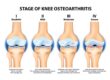
Your hip is a ball-and-socket joint. The “ball” is the femoral head, and the “socket” is the acetabulum, a cup-shaped part of the pelvis. Smooth cartilage normally covers these surfaces so the joint glides easily. When hip arthritis or hip osteoarthritis wears down that cartilage, bone rubs against bone, causing pain and stiffness.
During the hip resurfacing procedure, the surgeon trims and reshapes the damaged femoral head rather than removing it. A smooth metal cap is then placed over it. The acetabulum is also cleaned and fitted with a matching metal socket. The result is a resurfaced joint that can move smoothly again.
Here is the key difference from a standard hip replacement: in femoral head resurfacing, the natural femoral head and neck stay in place. In a total hip replacement, the surgeon removes the femoral head completely and inserts a stem into the thigh bone. That distinction matters for bone preservation and future surgical options.
Who May Be a Candidate for Hip Resurfacing?
Hip resurfacing is not right for everyone. Candidacy depends on a careful orthopedic evaluation and imaging, not a single factor.
Surgeons often consider several things together:
- Age and activity level. Younger, more active adults are more commonly considered, though age alone is not a strict rule.
- Bone quality. Strong, healthy bone in the femoral neck helps support the resurfacing cap. Weaker or thinning bone raises the risk of fracture.
- Hip anatomy. The shape and size of your hip and femoral head influence whether resurfacing is technically suitable.
- Cause and severity of joint damage. Certain conditions or deformities may make total hip replacement a safer choice.
- Overall health. Kidney function and other medical conditions can affect implant selection.
- Sex and implant considerations. Because many resurfacing implants use metal-on-metal designs, some surgeons weigh this differently for certain patients, including women of childbearing age.
Rather than relying on rigid age cutoffs, a surgeon determines candidacy through examination, X-rays, and sometimes advanced imaging. This individualized approach helps match the right procedure to the right patient.
Hip Resurfacing Surgery vs. Total Hip Replacement
Both procedures treat hip arthritis, but they differ in how much bone is removed and how the joint is rebuilt. Comparing hip resurfacing vs hip replacement helps clarify the trade-offs.
| Feature | Hip Resurfacing | Total Hip Replacement |
| Femoral head | Preserved and capped | Removed |
| Bone removed | Less | More |
| Femoral component | Metal cap | Stem inside thigh bone |
| Head size | Larger | Smaller to mid-size |
| Dislocation risk | Potentially lower in some cases | Higher in some cases |
| Best suited for | Younger, active patients with good bone | Broader range of patients |
| Revision considerations | May preserve options for some patients | Well-established revision paths |
Neither procedure is universally better. Total hip replacement has a long track record and works well for a wide range of patients, including those with weaker bone or complex hip conditions. Hip resurfacing may appeal to select active patients who want to keep more natural bone. The right choice depends on your diagnosis, anatomy, and goals.
You can learn more about your options on the hip pain and surgical treatment options page.
What Happens During Hip Resurfacing Surgery?
The hip resurfacing procedure follows several careful steps, though details vary by patient and surgeon.
Before surgery, your team reviews your medical history, imaging, and overall health. This preoperative evaluation confirms you are a suitable candidate and helps plan the operation.
During surgery:
- Anesthesia. You receive general or regional anesthesia so you feel no pain during the procedure.
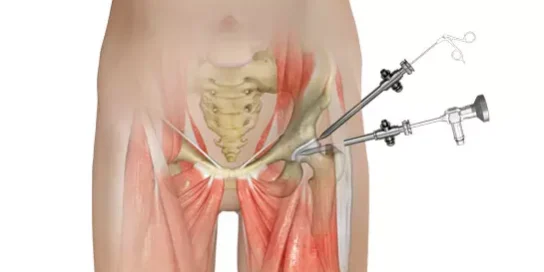
- Surgical access. The surgeon makes an incision to reach the hip joint and gently moves the femoral head into view.
- Preparing the femoral head. The damaged surface is reshaped, and any remaining diseased cartilage is removed while the underlying bone is preserved.
- Placing the femoral component. A smooth metal cap is fitted over the reshaped femoral head.
- Resurfacing the acetabulum. The socket is cleaned and prepared, and a matching metal cup is secured in place.
- Closing the incision. The surgeon repairs the surrounding tissue and closes the wound.
After surgery, you move to a recovery area where the team monitors your vital signs, comfort, and circulation before you begin early rehabilitation.
Benefits of Hip Resurfacing Surgery
For appropriately selected patients, hip resurfacing offers several potential benefits. These are possibilities, not guarantees, and outcomes vary.
- Bone preservation. Keeping the femoral head and neck saves more natural bone than a total hip replacement.
- Large femoral head component. The larger head size may improve stability in some patients.
- Potentially lower dislocation risk. In certain cases, the design may reduce the chance of the joint slipping out of place.
- Active lifestyle potential. Some carefully selected patients return to demanding activities, though results depend on many factors.
- Revision flexibility. Because more bone is preserved, future surgery may have added options for some patients.
Your results depend on your anatomy, implant choice, surgeon experience, and overall health. No single factor guarantees a specific outcome.
Risks and Potential Complications
Like any hip surgery, hip resurfacing carries risks. Understanding them helps you make a balanced decision.
Possible hip resurfacing risks include:
- Infection at the surgical site or deeper in the joint.
- Blood clots in the legs or lungs.
- Femoral neck fracture, a break in the preserved bone below the cap.
- Dislocation of the joint.
- Nerve or blood-vessel injury near the surgical area.
- Anesthesia-related complications.
- Implant loosening or wear over time.
- Metal-ion exposure and adverse local tissue reactions. Many resurfacing implants use metal-on-metal designs, which can release metal ions. In some patients this leads to soft-tissue reactions and requires monitoring.
- Need for revision surgery if problems develop.
These risks do not mean the procedure is unsafe. They mean the decision, including implant choice, should be discussed individually with your orthopedic surgeon based on your health and anatomy.
Hip Resurfacing Surgery Recovery
Recovery varies from person to person, so there is no single timeline that fits everyone. Hip resurfacing recovery generally follows a gradual, guided path.
- Hospital stay and discharge. Many patients go home within a day or two, depending on their progress.
- Early mobility. You typically begin walking soon after surgery, often with a walker or crutches for support.
- Physical therapy. A structured rehabilitation program helps rebuild strength, flexibility, and balance.
- Pain and swelling. Some discomfort and swelling are normal early on and usually improve with time and care.
- Returning to activities. Daily tasks gradually become easier over weeks to months.
- Follow-up appointments. Regular checkups let your surgeon monitor healing and, when relevant, check metal-ion levels.
Your surgeon’s postoperative instructions always take priority. Following them closely supports safer healing and a smoother recovery.
Is Hip Resurfacing Surgery Right for You?
Deciding whether hip resurfacing suits you is a shared decision between you and your surgeon, not an automatic step.
Consider these factors together:
- Your diagnosis and imaging findings
- Bone quality and hip anatomy
- Age, activity level, and personal goals
- Medical history and overall health
- Implant considerations, including metal-on-metal factors
- Alternative treatments and hip replacement alternatives
- Surgeon experience with the procedure
- Realistic expectations about results
Before surgery, many people first explore nonsurgical hip arthritis treatment, such as activity changes, medication, or physical therapy. Surgery becomes an option when these no longer provide enough relief. A thoughtful conversation with Dr. Hasan Syed, MD can help you weigh the choices.
Questions to Ask Your Orthopedic Surgeon
Bringing questions to your visit helps you make a confident, informed choice:
- Am I a candidate for hip resurfacing?
- Why would resurfacing be preferable to total hip replacement in my case?
- What implant would you recommend, and why?
- What are my individual risks?
- What should I expect during recovery?
- When can I return to work, exercise, or sports?
- What alternatives should I consider first?
Frequently Asked Questions
What is hip resurfacing surgery?
Hip resurfacing surgery is a procedure that treats hip arthritis by reshaping the damaged femoral head and capping it with a metal component, while resurfacing the socket. Unlike total hip replacement, it preserves the natural femoral head and neck, conserving more bone in appropriately selected patients.
Is hip resurfacing better than hip replacement?
Neither is universally better. Hip resurfacing preserves more bone and may suit younger, active patients with good bone quality. Total hip replacement works for a broader range of patients and has a long track record. The right choice depends on your anatomy, diagnosis, and goals.
How long does hip resurfacing surgery take?
The procedure typically takes a couple of hours, though the exact time varies by patient, anatomy, and surgical complexity. Your surgeon can give you a more accurate estimate after reviewing your imaging and overall health during your preoperative evaluation.
How long does it take to recover from hip resurfacing?
Recovery varies widely. Many people walk with support soon after surgery and gradually resume daily activities over several weeks to months. Physical therapy supports healing. Because timelines differ, your surgeon’s personalized instructions should guide your recovery.
Who is a good candidate for hip resurfacing?
Good candidates are often younger, active adults with strong bone and suitable hip anatomy. Candidacy is individualized and confirmed through an orthopedic evaluation and imaging. Bone quality, overall health, and implant considerations all influence whether resurfacing is appropriate.
What are the risks of hip resurfacing?
Risks include infection, blood clots, femoral neck fracture, dislocation, nerve or vessel injury, implant loosening, and metal-ion exposure with metal-on-metal designs. Some patients may eventually need revision surgery. Discussing these risks with your surgeon helps you make an informed decision.
Can you return to sports after hip resurfacing?
Some carefully selected patients return to active or athletic pursuits after full recovery. Results depend on your anatomy, implant, surgeon guidance, and rehabilitation. Your surgeon will advise when and how to safely resume specific activities.
This article is for educational purposes only and does not replace an in-person evaluation, diagnosis, or treatment by a qualified healthcare professional. Always consult your physician about your individual condition.
Take the Next Step
If persistent hip pain, arthritis, or reduced mobility is affecting your daily life, a professional evaluation can help you understand your options. The team at Hasan Syed MD, with practice locations in Chino, CA and Loma Linda, CA, offers patient-focused orthopedic care. Explore your hip pain and surgical treatment options and schedule a consultation to discuss whether hip resurfacing or another approach fits your needs.